
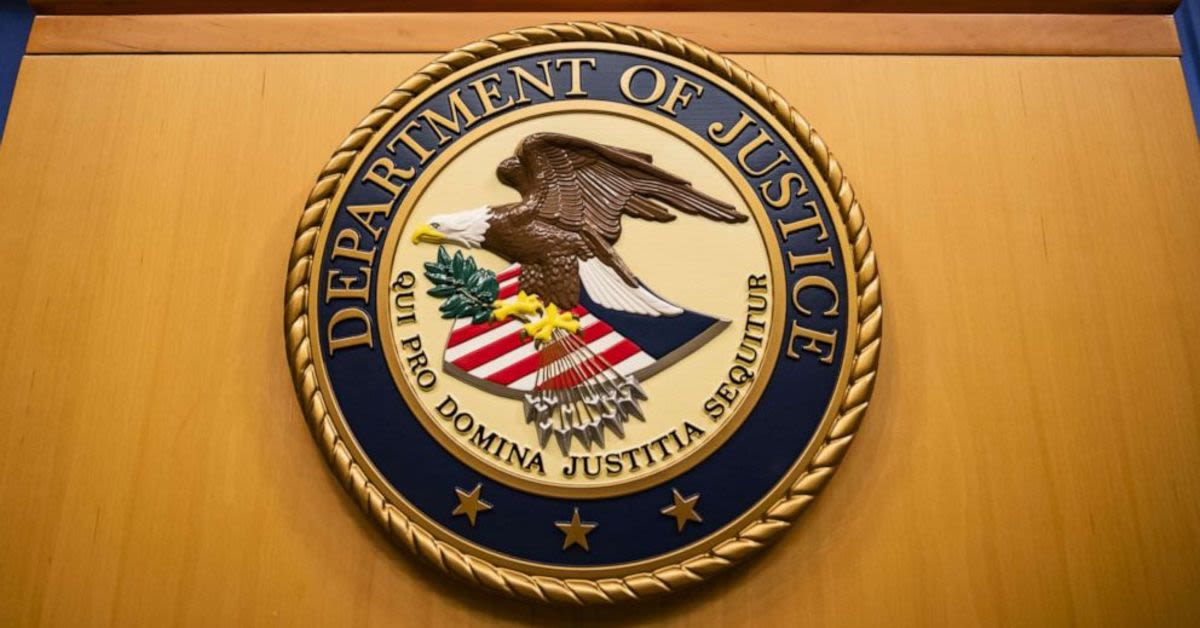
The administrations Department of Justice has opened an antitrust investigation into whether five major television networks illegally colluded when they jointly halted pool coverage of President Donald Trump following his decision to bar several outlets from the White House grounds.
According to RedState, the inquiry centers on ABC, CBS, CNN, Fox, and NBC, which in September collectively suspended their participation in the long-standing television press pool after the White House revoked access for CNN, MS NOW, and Politico over their repeated dissemination of what the president has condemned as fake news about him and his administration. The move by the DOJs Antitrust Division raises the prospect that the medias coordinated protest may not simply have been a political statement, but a potential violation of federal competition law.
The networks joint action went far beyond individual editorial decisions, as these direct competitorswho routinely cooperate in the television pool to share footage of official eventsacted in concert to halt coverage of the president. That kind of unified boycott, especially when aimed at leveraging market power to pressure a sitting administration, is precisely the sort of conduct antitrust regulators are now scrutinizing.
DOJ spokesperson Emily Covington confirmed the probe, stating, Members of the television press pool have boycotted covering White House events. Group boycotts among commercial competitors can violate the Sherman Act. The Antitrust Division is simply investigating to determine whether these news organizations have violated the antitrust laws. Her remarks underscore that the department is not treating the matter as a mere press spat, but as a serious question of whether dominant media players used their collective clout to manipulate access and coverage.
As RedStates Nick Arama reported, the five networks announced on September 21 that they were suspending their pooled coverage after the administration barred CNN, MS NOW, and Politico, and those three outlets quickly sued the Trump administration claiming their First Amendment rights had been infringed. While liberal media advocates framed the lawsuit as a defense of press freedom, the coordinated withdrawal of coverage by rival networks looks far more like a political pressure campaign than a principled stand for open access.
The courts have since intervened on the issue of White House press credentials, and pool coverage has resumed, restoring at least the appearance of normalcy. What remains unresolvedand now sits squarely before the DOJis whether the networks collective suspension of coverage crossed the line from shared grievance into an unlawful agreement among competitors, raising fresh concerns about the concentrated power of a media establishment that often acts as a unified bloc against a president it openly despises.
Login