
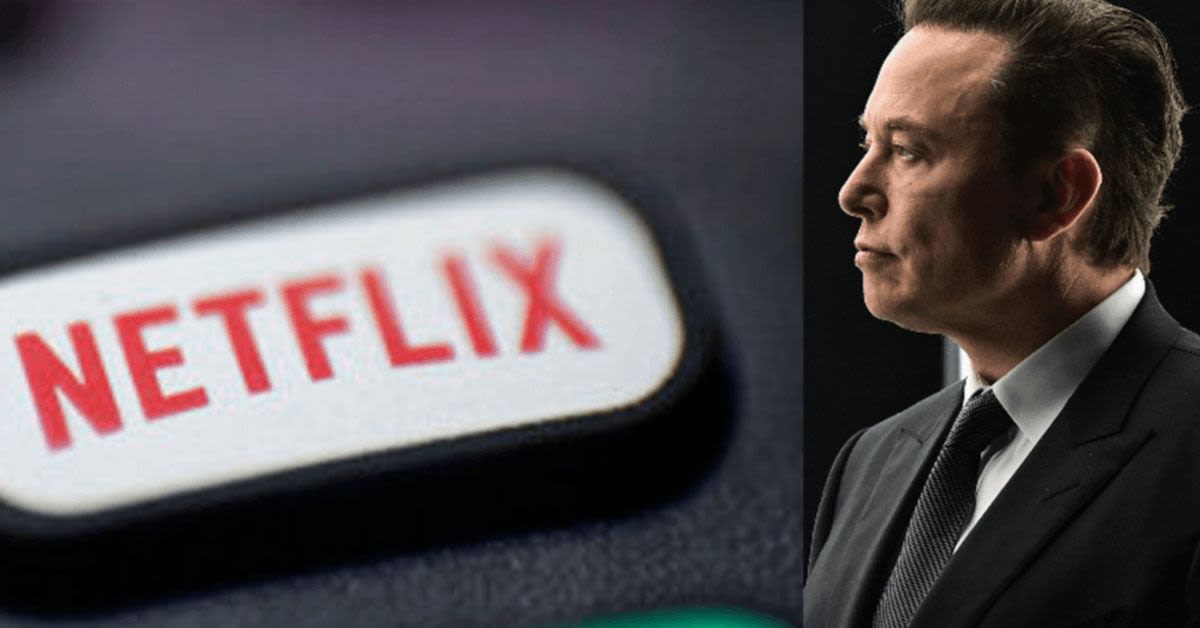
Netflix, once the undisputed king of streaming, is now confronting a convergence of cultural backlash, investor anxiety, and consumer fatigue that is eroding both its audience and its market value.
According to RedState, the companys troubles are not confined to the usual quarterly ups and downs, but reflect a deeper structural and cultural problem that has been building for years. The platforms decision to embrace progressive cultural themes, particularly in sensitive areas like childrens programming, has collided with a broader public weariness over rising prices, intrusive advertising, and an increasingly crowded streaming marketplace.
The most visible flashpoint has been the long-running feud with Elon Musk, whose criticism has given voice and visibility to frustrations many viewers already felt. Musks 2022 declaration that The woke mind virus is making Netflix unwatchable crystallized a sentiment on the right that Netflix had drifted far from being a neutral entertainment provider and into the realm of ideological messaging.
The woke mind virus is making Netflix unwatchable was not just a throwaway line from a tech billionaire; it became a rallying cry for those who saw the platform as emblematic of a broader cultural drift. By October 2025, Musk escalated his criticism, urging his massive online following to Cancel Netflix for the health of your kids, as the company faced yet another uproar over transgender themes in childrens content.
Cancel Netflix for the health of your kids https://t.co/uPcGiURaCp was more than a slogan; it was a direct call to action aimed at parents who felt blindsided by the ideological direction of what their children were being shown. That message landed in a political environment where congressional Republicans were already scrutinizing the companys content choices and corporate culture.
At a Senate hearing in February, Sen. Eric Schmitt did not mince words, branding Netflix the wokest content in the history of the world, while Sen. Josh Hawley pressed co-CEO Ted Sarandos over transgender content aimed at children. The hearing also resurfaced a litany of controversies that have dogged Netflix for years: Cuties, race-swapping in historical programming, DEI politics, and the overwhelmingly Democratic political donations of company employees.
These episodes have fueled the popular conservative mantra go woke, go broke, and in Netflixs case, there is at least some correlation that is hard to ignore. Netflix shares are down roughly 40 percent from their 2025 highs, and the timing of that decline, coming amid cultural clashes and Musks high-profile denunciations, makes the political explanation tempting.
Yet the story is not as simple as millions of conservatives rage-quitting the platform overnight in response to a single Musk post. The more troubling reality for Netflix is that it gave disaffected customers a reason to leave at precisely the moment when leaving has never been easier and alternatives have never been more abundant.
Wall Streets concerns reflect this deeper unease. Industry analysts are increasingly worried about engagement, slowing growth, and competition for the one thing Netflix cannot manufacture: more hours in the day, with Wells Fargo analyst Steven Cahall downgrading the stock to Underweight and warning about weak hours watched per subscriber.
Netflix reported 97 billion hours watched during the first half of 2026, up two percent year over year, which on its face hardly looks like a collapse. But investors are no longer satisfied with knowing that people still watch Netflix; they want to know how much they watch, whether Netflix can still produce shows that become genuine cultural events, and whether its growth trajectory justifies the premium valuation it once enjoyed.
This is where the Musk-led boycott becomes more interesting than the typical political boycott story, which often burns hot and then fizzles out. Most consumer boycotts fail because people eventually drift back to the most convenient option, but that only happens when the company remains the default choice and the customer has a compelling reason to return.
Netflix no longer enjoys that privileged position. The platform is drowning in substitutes: YouTube, Prime Video, Disney+, Hulu, Max, Peacock, Paramount+, and a growing array of free ad-supported services that offer passable entertainment without a monthly bill.
In this environment, the political uproar does not need to keep a subscriber angry for two years to inflict damage. The subscriber just needs to break the habit once, and that is what gets lost in the glib assertion that boycotts never work, because political anger may be temporary, but consumer behavior does not have to be.
Consider the parent who cancels Netflix after deciding its childrens programming has gone off the rails. He might shift to YouTube every night, or realize he can simply subscribe to Netflix for a single month when Stranger Things drops, binge the season, cancel again, and pocket the savings for the rest of the year.
In that scenario, Netflix has not won back the customer just because his initial outrage has faded. The boycott served as a catalyst that interrupted a routine, and now Netflix must actively persuade that viewer that the service is worth reinstating as a permanent fixture in his monthly budget.
Streaming fatigue magnifies this challenge. For years, the industry sold itself as the antidote to cables bloated bundles and rigid schedules, only to slowly reinvent cable with rising prices, fragmented content, and a confusing mix of subscription tiers and ad-supported options.
Prices climbed, streamers began double-dipping with both subscriptions and ads, and then customers who were already paying a monthly fee were told they could pay even more if they wanted the ads to disappear again, a model many consumers understandably find gross.
The backlash is measurable. A 2026 Reviews.org survey cited in analytical materials found that 52 percent of respondents had canceled or downgraded a streaming service following a price increase, while another 48 percent said they subscribe for a particular show and cancel afterward, and 43 percent expected to cut a streaming service within the next three months.
Against this backdrop, Netflix has given investors additional reasons to be nervous. Its pursuit of Warner Bros. Discovery assets raised concerns that an enormous acquisition could consume cash, complicate margins, and distract management at a time when focus is critical.
The company has also progressively reduced some of the transparency that investors once relied on to gauge performance, first backing away from regular subscriber reporting and later changing how frequently it planned to publish viewing-hour data. That kind of opacity is precisely what investors do not want to see when they are already asking hard questions about engagement and growth.
The reality is far more complex than the caricature of Musk firing off one X post and instantly wiping out 40 percent of Netflixs market value. The cultural backlash did not single-handedly sink the stock, but it did give many customers a timely excuse to reevaluate a subscription they had already stopped enjoying.
Netflixs increasingly mediocre, preachy content has compounded streaming fatigue, price hikes, and intrusive ads, giving people financial and cultural reasons not to rush back. An affordability crisis, fueled by sticky inflation lingering from the Biden years, only sharpens the calculus for families deciding which discretionary expenses to cut.
Nor is Netflix cornering some underserved niche by narrowing its appeal to progressive sensibilities. Disney, Hulu, Max, and much of the rest of Hollywood already operate in broadly woke cultural territory, saturating the market with similar ideological messaging.
That raises a larger question about whether the left-wing media echo chamber is even designed to be a viable business model, or whether it functions more as a blunt-force cultural instrument meant to force-feed the lefts agenda down our throats. When we see the kicking and screaming over Paramounts takeover of Warner and blue states filing lawsuits to block it, we get a strong hint that many on the woke left view media less as a business and more as a vehicle for delivering their warped worldviews.
For consumers, however, the options have never been broader. YouTube and rival platforms offer endless content, often free, and do not come wrapped in the same overt ideological packaging that increasingly defines prestige streaming fare.
When Netflix fails to deliver truly binge-worthy programming and instead leans on formulaic, message-driven shows, it hands viewers yet another reason to stop paying for the service. In a brutally competitive streaming landscape, where canceling takes seconds and substitutes are everywhere, deliberately narrowing your cultural appeal is a luxury few companies can afford.
If Netflix insists on tailoring its programming almost exclusively to the sensibilities of progressive, bicoastal elites, it does not need an organized conservative boycott to damage its prospects. It is steadily producing content that a broad swath of Americans finds boring, unrealistic, or detached from their everyday concerns, and that disconnect shows up in fewer hours watched and weaker engagement.
Over time, that erosion of engagement does not just mean people tune out more often; it means they drop out altogether. For a company whose business model depends on habitual, recurring payments, that quiet, cumulative exodus may prove far more dangerous than any single viral hashtag or political skirmish.
Login