
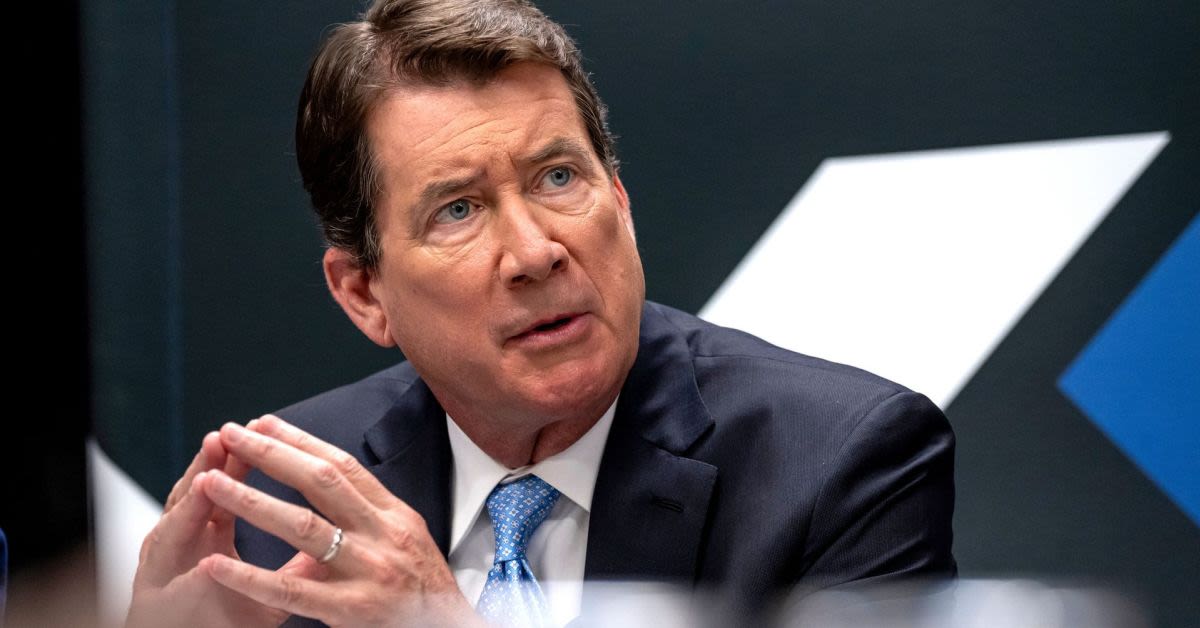
Sen. Bill Hagerty of Tennessee has launched an extraordinary bid to have former Special Counsel Jack Smith stripped of his law license, alleging that the Biden-appointed prosecutor concealed critical constitutional issues from a federal judge in order to secretly obtain the phone records of sitting U.S. senators, including Hagerty himself.
According to The Gateway Pundit, Hagerty on September 30, 2026just one day after Smith appeared before the Senate Judiciary Committeesubmitted a four-page ethics complaint to R. Culver Schmid, chairman of the Board of Professional Responsibility of the Supreme Court of Tennessee. Smith, who is licensed in Tennessee under bar number 034063, now faces Hagertys demand for the most severe professional sanction available: permanent disbarment.
I filed a bar complaint against Jack Smith this morning, Hagerty announced on X, accusing the former special counsel of weaponizing his office for partisan ends. Hes a blatantly partisan actor and his prosecutorial misconduct damaged our constitutional order. He should never be able to practice law again. The senator ended his post with a pointed warning aimed at the telecom giant that cooperated with the subpoena: Next up, @Verizon.
The complaint alleges that while serving as special counsel in the Biden Justice Department, Smith issued a grand jury subpoena to Verizon seeking non-content telephone records for sitting U.S. senators. These records, which list who called whom, along with dates and call durations but not the substance of conversations, allegedly covered communications that Hagerty insists pertained to our duties as legislators. In other words, the data swept up by prosecutors involved core legislative business that the Constitution is designed to protect from executive-branch intrusion.
Attached to the subpoena, Hagerty says, was a sealed nondisclosure order signed by D.C. Chief Judge James Boasberg that barred Verizon from informing anyoneincluding the senators whose records were takenthat the government had demanded the data. The order effectively prevented the lawmakers from challenging the subpoena in court, leaving them unaware that their official communications were under secret scrutiny by a prosecutor already viewed with deep suspicion by conservatives.
Hagerty further contends that Smith sent Verizon a separate letter threatening the company with an obstruction-of-justice charge if it failed to comply with the gag order. By the time Hagerty discovered that his records had been seized, Verizon had already surrendered the information, foreclosing any opportunity for judicial review or assertion of legislative privilege. For a senator, that kind of unilateral executive action raises profound separation-of-powers concerns.
At the heart of the complaint is an accusation of deliberate lack of candor toward the court. Hagerty argues that the documents Smith submitted to Judge Boasberg omitted key facts that would have alerted the judge to the extraordinary nature of what he was authorizing and the constitutional protections at stake. The filings, Hagerty says, never disclosed that the targeted phone lines belonged to members of Congress, nor did they reference the Speech or Debate Clause, which shields legislative acts and deliberations from executive or judicial interference.
Equally troubling, the complaint notes, Smiths motion did not cite 2 U.S.C. 6628, a federal statute that explicitly forbids a phone company serving a Senate office from being barred from notifying the Senate when someone seeks Senate-related records. Smiths motion omitted the facts and law that would lead the judge to realize what he was ruling on, Hagerty wrote, arguing that the omission was not a mere oversight but a strategic concealment. He further asserts that the nondisclosure order itself was apparently also written by Smith, and rubber-stamped by the judge, pointing out that the order nowhere mentions the Speech or Debate Clause, the Senate-notification statute, or the fact that the targets were sitting lawmakers.
Smith, testifying under oath, has defended his conduct by claiming he believed disclosure of those facts was not required under Department of Justice policy at the time. In a September 29 exchange with Sen. Ted Cruz, Smith reiterated that We submitted these nondisclosure orders consistent with the law and department policy, suggesting that internal DOJ guidance governed how much information prosecutors were expected to share with the court. That explanation, however, has done little to reassure Republicans already alarmed by what they see as a pattern of politicized lawfare against conservatives.
Hagerty dismisses Smiths reliance on bureaucratic rules as fundamentally incompatible with constitutional governance. Bureaucratic policy cannot supersede the Constitution or a federal statute, he insists, arguing that even the 2017 and 2022 DOJ memoranda on protective orders require prosecutors to provide enough factual detail for judges to conduct a genuine, case-specific review. In Hagertys view, Smiths failure to flag the constitutional and statutory issues for Judge Boasberg violated not only common sense but the basic ethical duties of any officer of the court.
The complaint cites Tennessees Rules of Professional Conduct, which impose heightened obligations of candor in ex parte proceedings where only one side is present. Under those rules, a lawyer must disclose all material facts whether or not the facts are adverse, and must identify legal authority that undermines his own position so the tribunal can make an informed decision. Hagerty contends that Smiths conduct breached at least Rules 3.3(a) and 8.4(c)(d), which address candor toward the tribunal and prohibit dishonest or prejudicial conduct.
Hagertys filing urges the Board of Professional Responsibility to seek disbarment, arguing that Smiths actions were intentional, cut off any avenue of appeal, chilled confidential legislative communications, and inflicted lasting damage on the constitutional balance between Congress and the executive branch. He also points to what he characterizes as Smiths lack of remorse as further justification for the harshest available sanction, warning that unchecked prosecutorial power poses a grave threat to representative government.
The Tennessee board has not yet indicated whether it will open a formal investigation into Smiths conduct. For his part, Smith has continued to maintain that his team acted within both the law and then-existing DOJ policy, a defense that may carry little weight with conservatives who see his tenure as emblematic of a broader pattern of partisan enforcement.
This latest clash unfolds against a backdrop of mounting scrutiny of the Arctic Frost investigation on Capitol Hill. As The Gateway Pundit previously reported, Senate Judiciary Chairman Chuck Grassley released records in 2025 revealing that Hagerty was among eight Republican senators whose phone records were examined during the probe, raising alarms about selective targeting of GOP lawmakers.
The Gateway Pundit also previously reported that Arctic Frost generated 197 subpoenas touching hundreds of Republican individuals and organizations, according to documents Grassley made public. Those revelations have fueled concerns that federal law enforcement tools, including grand jury subpoenas and gag orders, have been deployed disproportionately against conservatives and their allies.
Just this week, The Gateway Pundit reported that Sen. Marsha Blackburn, Hagertys fellow Tennessee Republican, filed a separate federal lawsuit against Smith over the acquisition of her phone records. Her case, like Hagertys bar complaint, challenges the legality and constitutionality of the secret subpoenas and nondisclosure orders that swept up lawmakers communications without their knowledge.
Hagertys move now places a distinct question before Tennessees disciplinary authorities: whether Jack Smiths handling of the covert subpoena and gag order comports with the ethical obligations attached to his Tennessee law license. The outcome will test not only Smiths professional future, but also whether any meaningful check remains on prosecutors who, under the banner of policy, push the limits of executive power against elected representatives and the voters they serve.
Login