
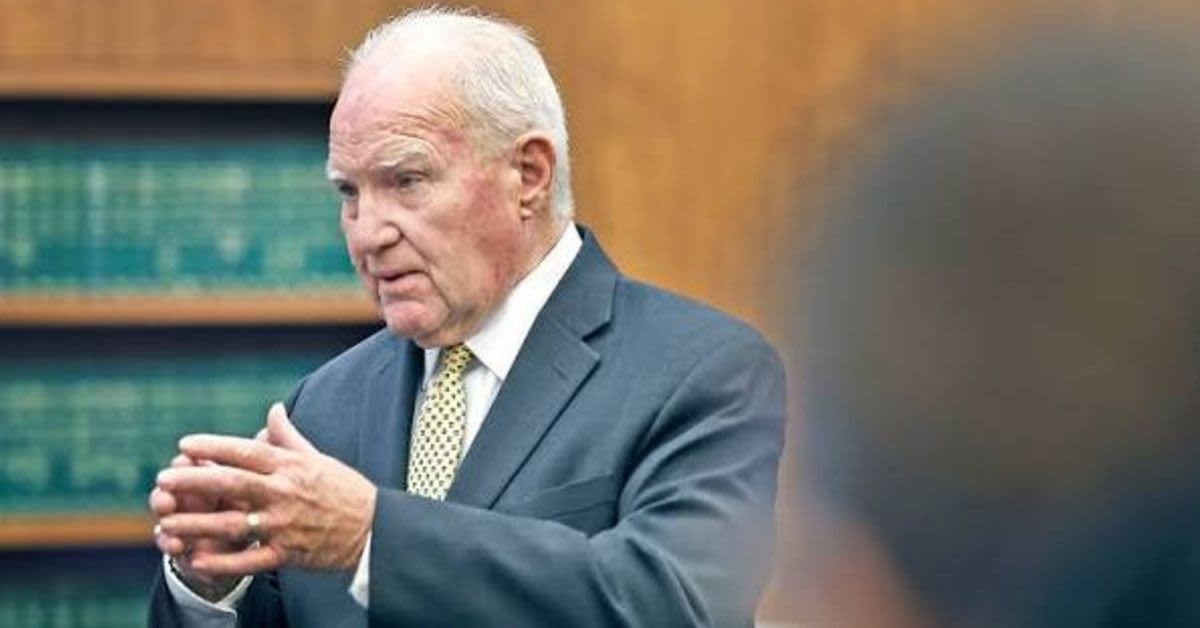
Defense attorney Kevin Reddington is now asserting that Massachusetts prosecutors never proved that Lindsay Clancy actually killed her three children, marking a striking shift after a mistrial on three counts of first-degree murder.
According to Gateway Pundit, Reddington told the court during a Tuesday hearing that the states case rested on a total and complete lack of evidence that Clancy killed 5-year-old Cora, 3-year-old Dawson and 8-month-old Callan. This entire case is based on speculation, Reddington told Judge William Sullivan while seeking a required finding of not guilty, pointedly asking, Where is the evidence that she did this? and later, Where is the admission? and Where does she say that she did this?
This new posture diverges sharply from the original trial strategy, in which the defense did not contest that Clancy killed the children but argued she was not criminally responsible due to postpartum psychosis. Prosecutor Shanan Buckingham dismissed the revised argument as laughable, pointing to Clancys sole presence with the children, cellphone and surveillance records, and her DNA on the exercise bands allegedly used in the killings.
The September 4 mistrial came after more than 38 hours of deliberations, with 11 jurors favoring a finding that Clancy was not criminally responsible and juror Michael Desronvil backing conviction. Reddington has publicly criticized Desronvil, rejecting the label lone holdout and instead calling him the obstructionist juror, accusing him of having an agenda.
Clancys legal team has now requested an inquiry into Desronvils cellphone use, his questionnaire answers and his behavior during deliberations, raising concerns about whether the process was tainted. Desronvil denies disregarding reasonable doubt, while his attorney, Edward Paltzik, has condemned Reddingtons tactics as brutal reprisals and an attack on the constitutional jury system, underscoring a growing clash between aggressive defense advocacy and the integrity of traditional jury protections.
Login