
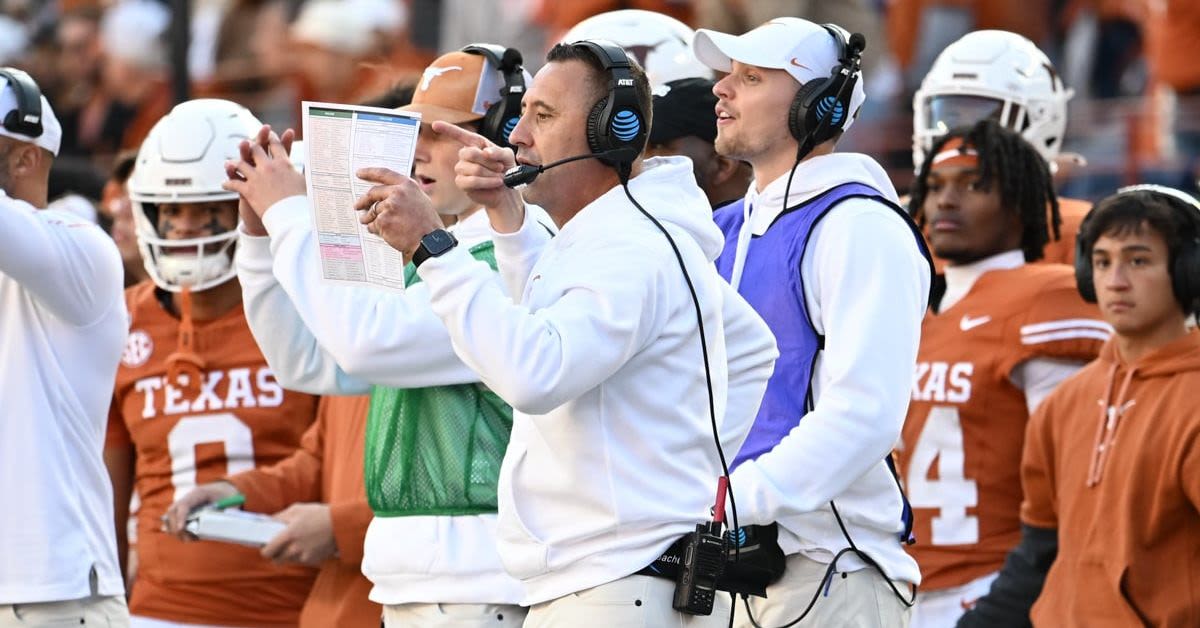
Call it HeadsetGate, call it tall tales from the title game, but the latest controversy swirling around President Donald Trump has managed to reach all the way from the campaign trail to the college football sidelines.
The dispute centers on whether Trumps presence or, more precisely, his movements in and out of a stadium actually disrupts team communications, as Texas Longhorns head coach Steve Sarkisian has claimed. According to Western Journal, the clash of narratives pits Sarkisians anecdotal account against on-the-record pushback from both a rival coach and a White House reporter, raising questions not only about game-day logistics but also about the eagerness of some in sports culture to pin blame on the president.
The controversy began when Sarkisian, during a Thursday video conference, asserted that Trumps anticipated appearance at Saturdays matchup between the top-ranked Texas Longhorns and the 14th-ranked Tennessee Volunteers in Knoxville, Tennessee, would likely interfere with both teams communications. The one thing that you have to be aware of when the president goes to any game is that any time he enters the stadium, leaves the stadium or changes locations within the stadium, they cut all communication, the Texas coach said, per ESPN.
Sarkisian elaborated that the alleged security protocol would affect every level of sideline coordination. So they cut your headsets. They cut the headsets to coaches. They cut headsets for coach-to-player communication. So you have to have a plan for that, if and when it happens, and you get no warning. It just gets cut out.
The coach stressed that such a blackout could strike at any moment, forcing teams to improvise on the fly. You have to have a plan to adjust if and when he comes in the middle of the first quarter, leaves in the fourth quarter, or decides hes got to use the restroom, whatever that looks like, Sarkisian said. Youve got to be prepared to have no communication for a short amount of time.
ESPN noted that Sarkisian previously served as offensive coordinator at the University of Alabama during a 2019 game attended by Trump, a detail the coach has used to bolster his credibility on the subject. For his latest warning, however, Sarkisian leaned on a more recent example involving this years national championship.
A good friend of mine is Mario Cristobal, Sarkisian said in a clip posted to the social media platform X, referring to the head coach of the Miami Hurricanes, who lost to the Indiana Hoosiers in Januarys national championship game. Last year, when they were playing Indiana in the national championship, they had that drive at the end of that game they had no communications because he was leaving early before the game ended. And so you get no warning. It just cuts out. And so you gotta be prepared for that.
In Sarkisians telling, Trumps early departure from Hard Rock Stadium supposedly triggered a communications blackout that hampered Miamis final drive. Yet when that claim was put under scrutiny, two separate sources one on the opposing sideline and one in the press box contradicted the narrative.
First, Indiana head coach Frank Cignetti told ESPN that communications did indeed fail, but not at the moment Sarkisian implied. According to Cignetti, the headsets went out around the 6:45 mark of the fourth quarter, just before Hurricanes wide receiver Malachi Toney caught a touchdown pass at 6:37 to cut Indianas lead to 24-21.
We couldnt hear [on the TD], then it came back, Cignetti said. It came back before kickoff. We both had communication from that point on.
Second, Axios White House reporter and Miami fan Marc Caputo publicly dismantled the idea that Trumps exit coincided with the decisive play. As a Hurricane fan who was at the game, Id love to blame anyone but Beck & the coaches, Caputo wrote on X, referring to Miami quarterback Carson Beck, now with the NFLs Arizona Cardinals. But WH reports show POTUS left Hard Rock [Stadium] w/about 8m left on the clock at 10:47 pm & arrived at North Perry Airport 2.7 miles away at 10:54 pm. Beck threw an INT c. 11:15 pm.
Caputo even posted screenshots with timestamps from Jan. 19, the night of the championship game, to back up his account. Meanwhile, the White Houses rapid response account on X amplified Caputos thread, highlighting his receipts and effectively siding with the data over the coachs anecdote.
Those timelines matter, because Becks interception the play that sealed Indianas victory came with 44 seconds remaining, nearly half an hour after Trump had already left the stadium. In other words, whatever temporary glitch affected communications earlier in the quarter, it was not caused by the presidents departure, and it was resolved well before the games decisive moment.
Sarkisian, for his part, has already drawn attention this season for how he handles communication or refuses to handle it when the cameras are rolling. Following Texas 24-23 comeback win over the Ohio State Buckeyes on Sept. 12, the coach pointedly ignored ESPN sideline reporter Holly Rowe, brushing past her questions in favor of leading a celebratory chant.
That snub sparked a wave of criticism on social media, where many viewers saw it as emblematic of a broader lack of respect for the media and for basic sportsmanship. In response, a pro-Texas account on X escalated matters by posting an AI-generated video of Sarkisian slapping Rowe across the face, a grotesque attempt at humor that underscored how toxic online fandom can become.
Texas quarterback Arch Manning then poured fuel on the fire by endorsing the fake clip. Manning reportedly called the video hilarious, a remark that drew further backlash and raised questions about the culture being modeled by one of college footballs most prominent young stars.
Against that backdrop, Sarkisians eagerness to attribute technical problems to Trumps presence fits a familiar pattern in todays political and cultural climate. Rather than accept responsibility for on-field execution or acknowledge the ordinary glitches that can plague any high-tech operation, it is easier and more fashionable in some circles to invoke the president as a kind of all-purpose scapegoat.
For conservatives who value personal accountability and factual rigor, the episode is telling. When a coachs story about no communications because he was leaving early before the game ended collapses under basic fact-checking, it suggests that the rush to blame Trump says more about the storyteller than about the president, and it leaves fans wondering how many other convenient narratives in sports and politics would fall apart under the same scrutiny.
Login