
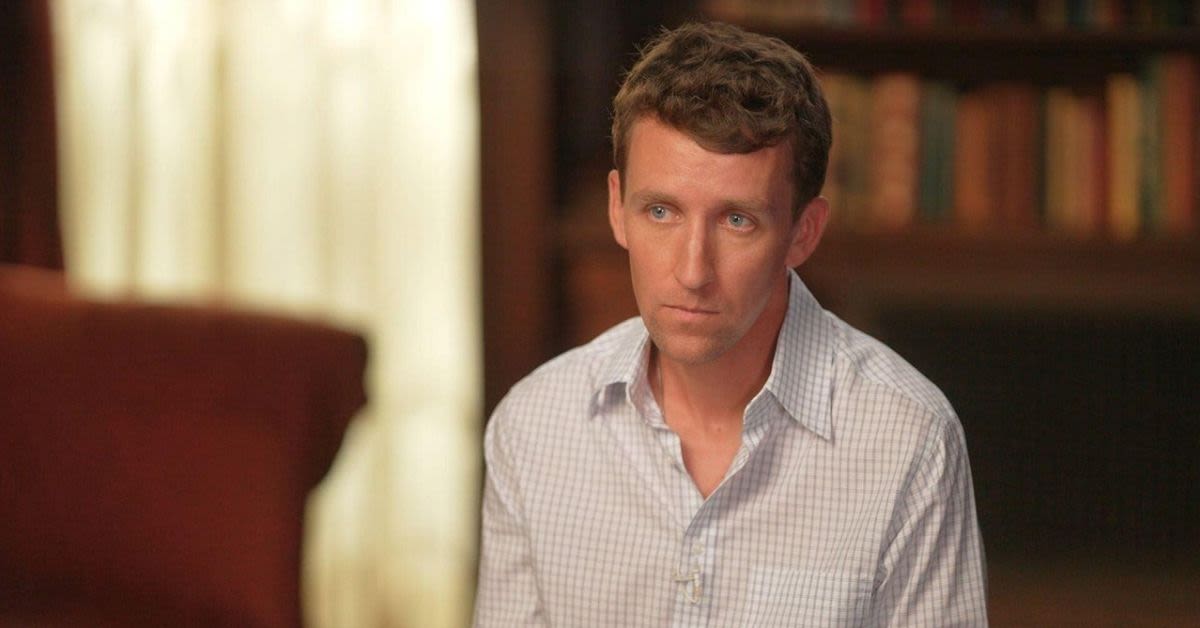
The already notorious case of Massachusetts mother Lindsay Clancy, whose murder trial ended in a mistrial on Sept. 4, has taken on renewed urgency after a televised interview raised fresh doubts about her claim of insanity.
In the weeks since the mistrial, media outlets have zeroed in on the lone juror who refused to acquit and on Clancys ex-husband, Patrick Clancy, who sat down with CBSs 60 Minutes, according to Western Journal. That interview, which aired Sunday, featured a brief but striking exchange that has intensified public skepticism toward the defense narrative that postpartum depression and psychosis rendered Lindsay Clancy legally insane.
In a clip shared on X, formerly Twitter, Patrick Clancy disclosed that the woman who strangled their three young children has never once sought his forgiveness. The revelation undercuts the image of a remorseful, broken mother and instead suggests a chilling emotional distance from the horror of her actions.
Has she ever asked for your forgiveness? correspondent Ross Douthat asked during the segment. No, was Clancys reply. But I gave it to her.
That admission immediately drew sharp reactions from prominent commentators on X, who argued that the absence of any plea for forgiveness is fundamentally at odds with an insanity defense. If Lindsay Clancy had truly been out of her mind, acting in a way utterly foreign to a loving mother, critics contend she would now be desperate to atone, not silent.
The Daily Wires Matt Walsh wrote, Wow. Lindsay Clancy hasnt even asked forgiveness for murdering all of her children. No remorse at all. That fact alone completely destroys any temporary insanity claim. His comments reflect a broader conservative concern that mental-health defenses are increasingly used to blur moral responsibility for even the most heinous crimes.
Fellow commentator Kangmin Lee went further, arguing that the lack of remorse points to deliberate, calculated evil rather than a tragic mental break. That debunks every claim that she was a good mother with temporary insanity because of postpartum psychosis. It was completely intentional. She knew exactly what she was doing and feels no remorse for it. Monstrous witch.
Meanwhile, The Boston Globe has reported that both Lindsay Clancy and her ex-husband are plaintiffs in a civil lawsuit targeting her former health care providers. That legal strategy appears aimed at shifting blame from the individual who committed the killings to the medical system that allegedly failed to prevent them.
From a defense perspective, any overt plea for forgiveness might be seen as undermining the argument that Clancy was not in her right mind and therefore not fully responsible. Yet the total absence of such a plea, especially in private, raises troubling questions about her moral awareness and emotional state after the murders.
It is difficult for many Americans, particularly parents, to fathom that a mother who destroyed her own family has not fallen at her ex-husbands feet, begging him on her hands and knees to forgive her for shattering his life and extinguishing three young lives. That silence, to many observers, speaks louder than any courtroom testimony about diagnoses or medications.
As Lee and Walsh have argued, the defenses portrayal of the killings as the product of uncontrollable insanity now appears increasingly fragile in light of Patrick Clancys account. When a person behaves in a way that violently contradicts their professed character, the normal human response is contrition and apology.
Lindsay Clancy has not done that. For those who believe in personal responsibility, moral accountability, and justice for the innocent, her refusal to seek forgiveness is not a minor detail but a central fact that will continue to shape public judgment of this case.
Login