
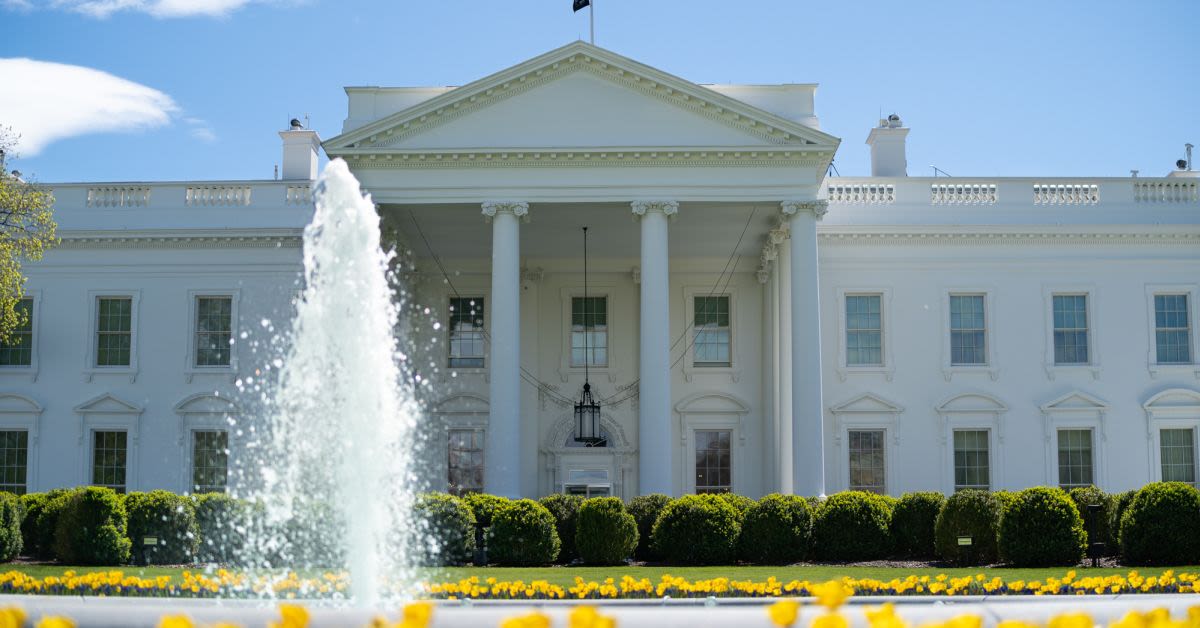
President Donald Trump cut short his weekend at Camp David and returned to the White House on Saturday as Iran-backed Houthi militants in Yemen escalated their attacks on Saudi Arabia.
According to the Daily Caller, President Trumps schedule was abruptly revised to bring him back to Washington on Saturday evening aboard Marine One, with a landing set at the Ellipse and a press availability scheduled for 7 p.m. ET, as detailed in a White House pool report filed by USA Todays Joey Garrison. Official guidance issued earlier to reporters had indicated the president would remain at the Maryland retreat through Sunday, with his return not expected until later that afternoon.
His early departure coincided with Saudi Arabias confirmation that the Houthis had attempted to strike Riyadh with a ballistic missile, according to NBC News. The Saudi-led coalition reported that the missile aimed at the capital was intercepted, though residents said they heard an explosion and later saw smoke drifting near the airport, with no injuries or damage confirmed.
Coalition officials further stated that the rebels targeted the port city of Yanbu as well as Taif, Baysh and Farasan, but all of those attacks failed, NBC News reported. Houthi forces, offering no evidence, claimed they had hit sensitive sites in the capital and set Aramco facilities on fire, marking the first such attempt on Riyadh since the conflict intensified.
The U.S. Mission in Iraq issued a security alert warning Americans throughout the region about the growing threat. The notice stated that the Iranian-supported Houthis had carried out hostilities against Saudi Arabia, including civilian airports, and cautioned that the conflict could expand rapidly, advising travelers to prepare for flight cancellations, airspace closures and other disruptions.
Matching alerts were sent the same day from U.S. diplomatic posts in Saudi Arabia and Jerusalem, underscoring the seriousness with which Washington views Tehrans proxies. These warnings urged U.S. citizens to enroll in the State Departments traveler program and keep a low profile as tensions mount.
Despite the escalation, Washington has so far refrained from direct military engagement, reflecting a cautious approach to another Middle Eastern entanglement. Saudi Crown Prince Mohammed bin Salman urged President Trump to launch strikes on the Houthis, but the president declined, agreeing instead to share intelligence and dispatch advisers to help the kingdom identify targets, The Hill reported, a decision consistent with a conservative preference for limited, targeted involvement rather than open-ended intervention.
Login