
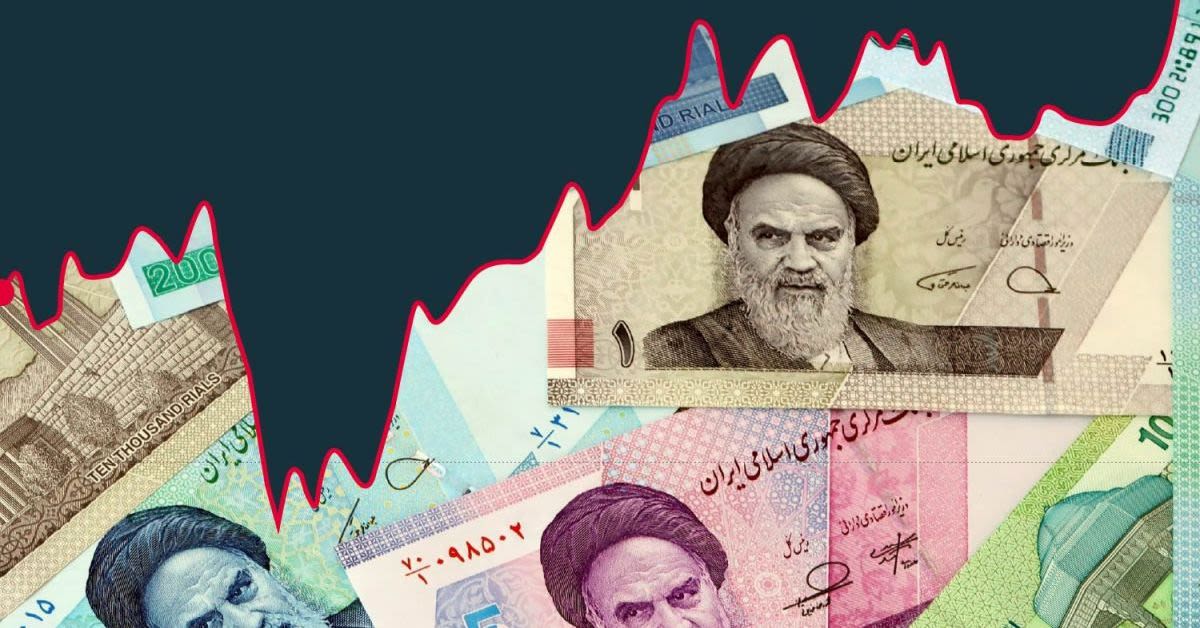
Irans already battered economy has plunged to a new low, intensifying public anger and deepening the regimes political vulnerability.
According to RedState, the Iranian rial has collapsed to a fresh record, trading at roughly 2.3 million to the U.S. dollar as ongoing military action and a naval blockade choke off the regimes ability to move fuel and other goods across its borders. Fuel shortages and soaring prices are hammering commercial drivers, a critical segment of the working class the regime can ill afford to alienate.
Gas prices in Tehran have reportedly doubled for anyone exceeding 110 liters per month, after the government slashed subsidies that once helped ordinary Iranians cope with inflation. The shortages have hit taxi, delivery, and truck drivers especially hard, undermining their ability to earn a living and exposing the human cost of the regimes economic mismanagement.
About 120 taxi drivers in Kerman said fuel cuts were leaving them unable to work for roughly a third of each month, while drivers for Iranian ride-share and delivery giant Snapp have staged strikes in multiple cities, the report said. Weve all stopped; no one is working, one driver said in footage verified by Storyful, underscoring the breadth of the unrest.
Truckers near the Iraqi border have also gone on strike, while drivers in the key port city of Bandar Abbas have warned they could follow. The issue is that we can no longer bear these pressures, truckers at the port said in a statement, according to the report, a stark rebuke to a regime that relies on repression rather than reform.
The drivers striking despite the threat of harsh punishment are displaying notable courage, and their defiance highlights just how desperate conditions have become. This kind of anger helped fuel previous uprisings, and similar protests can quickly snowball, leaving the regime understandably anxious about what may come next.
Login