
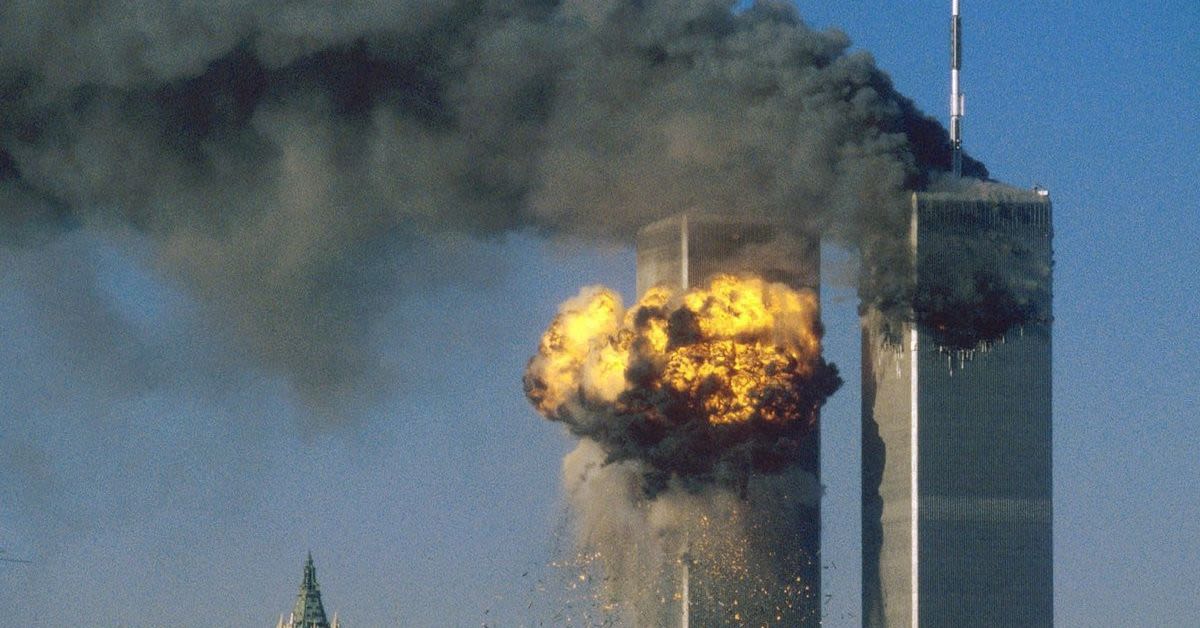
Newly declassified intelligence documents reveal that U.S. officials under both Democratic and Republican administrations received far more specific warnings about Osama bin Laden and potential hijackings in the years leading up to the Sept. 11, 2001, terrorist attacks than the public had previously been told.
According to WND, the Central Intelligence Agency on Friday released 101 pages of long-classified intelligence memoranda, including 71 Presidential Daily Briefs (PDBs) and related products, detailing threats tied to bin Laden, the Taliban and Afghanistans opium trade. These documents span the final years of the Clinton administration and the early months of former President George W. Bushs tenure, underscoring that the al-Qaida leader had been a persistent focus of top-level intelligence well before the attacks that killed nearly 3,000 Americans.
Presidential Daily Briefs are the most sensitive intelligence documents produced by the U.S. government, delivered each morning to the president and a small circle of senior national security officials. They distill what intelligence professionals consider the half dozen or so most urgent threats or developments facing the United States on any given day.
CIA Director John Ratcliffe, appointed under President Donald Trump, emphasized the magnitude of the disclosure, calling it the single largest release of CIA analysis related to 9/11 ever in a public statement. In an act of exceptional transparency, we honor the memory of those we lost on that tragic Tuesday by releasing 71 declassified products, Ratcliffe said, framing the move as a gesture toward accountability long demanded by victims families.
The newly released documents date back to before the October 1998 arrest of four men tied to bin Laden in connection with the bombings of U.S. embassies in Tanzania and Kenya. Those attacks, which killed hundreds and injured thousands, had already demonstrated al-Qaidas capacity to strike American targets overseas, yet the memos show that intelligence officials were also increasingly worried about attacks on U.S. soil.
Specific warnings about a possible aircraft hijacking began surfacing as early as December 1998, during the Clinton administration, in a PDB bluntly titled Bin Ladin Preparing To Hijack US Aircraft and Other Attacks. One such brief warned that Reporting suggests Bin Ladin and his allies are preparing for attacks in the US, including an aircraft hijacking, adding that Two members of the operational teamhad evaded security checks during a recent trial run at an unidentified New York airport. Some members of the Bin Ladin network have received hijack training.
The timing of the release is politically charged, coming shortly after 9/11 family members publicly confronted three former presidents over what they view as a bipartisan failure to fully disclose Saudi Arabias role in the attacks. Twenty-five years after losing her husband on 9/11, at a New York City memorial attended by Clinton, Bush, former President Barack Obama and Vice President JD Vance, Terry Strada told the assembled dignitaries that for 25 years, administration after administration, including leaders in front of us here today, chose to protect the Saudis instead of standing with the 9/11 families.
Despite the breadth of the CIAs declassification, none of the newly released pages appear to answer Stradas central demand for full transparency regarding potential Saudi complicity. No details that could satisfy Stradas plea are included in the CIAs release, reinforcing the perception among many families that Washingtons political class still shields powerful foreign partners at the expense of truth and accountability.
Public awareness of pre-9/11 warnings first exploded when it emerged that Bush had received an Aug. 6, 2001, PDB titled Bin Ladin Determined To Strike in US, a revelation that generated national controversy after CBS News reported on the document. CIA Director George Tenet later acknowledged the existence of that brief, but the new release shows that it was part of a longer pattern of repeated, escalating alerts.
The 9/11 Commission in 2004 found that the August memo was not the only warning, concluding that bin Laden had appeared routinely in PDBs under both Clinton and Bush. According to the commission, there were 40 such references from Jan. 20, 2001, to the day before the attacks, underscoring that the threat was neither sudden nor obscure to those at the highest levels of government.
Now Americans can read some of these PDBs for themselves and judge how seriously successive administrations treated the threat. It is still not clear whether the new release encompasses all of the PDBs reviewed by the commission, or whether additional documents remain shielded from public view under claims of national security.
The memos also highlight the nexus between terrorism and narcotics trafficking that conservatives have long warned about as a national security risk. Bin Ladin and his associates also agreed to expand narcotics exports to Europe and the US using legitimate businesses as conduits, a declassified brief states, suggesting that drug routes and front companies were being leveraged to fund jihadist operations.
Other documents show that U.S. analysts were closely tracking bin Ladens public rhetoric and its potential operational implications. Bin Ladin at his May press conference talked about bringing the war home to America, possibly a call for attacks in the US, a brief noted, while another passage recorded that REDACTED claimed Bin Ladin was planning an attack in the US or Saudi Arabia REDACTED June, but we have no information indicating that Bin Ladin has a terrorist network in the US.
In the spring and summer of 2001, as Americans went about their daily lives unaware of what was coming, PDBs continued to warn of an impending plot, including the possibility of hijacked aircraft. When the U.S. government captured a terrorist in May 2001, he confessed to a plot involving Bin Laden and the Egyptian Islamic Jihad (ElJ) to force the release of blind sheik Umar Abd al-Rahman and other US-held prisoners with plans to hijack an aircraft or storm a US Embassy, echoing several earlier reports.
By July 2001, the CIA was still flagging ominous signals that something was in motion. In a July 2001 PDB titled by the agency, the CIA reported that suspicious activity continued late last week among individuals who in June had received a cryptic message praising their struggle against a well-armed foe and bidding them farewell.
Among the policy recommendations in the 9/11 Commission Report to prevent another such catastrophe was a call for deeper structural reforms inside the intelligence community. Those reforms were meant to break down bureaucratic silos and ensure that clear, repeated warnings like those now visible in these PDBs would trigger decisive action, not be lost in a fog of interagency turf battles and political hesitation.
Login