
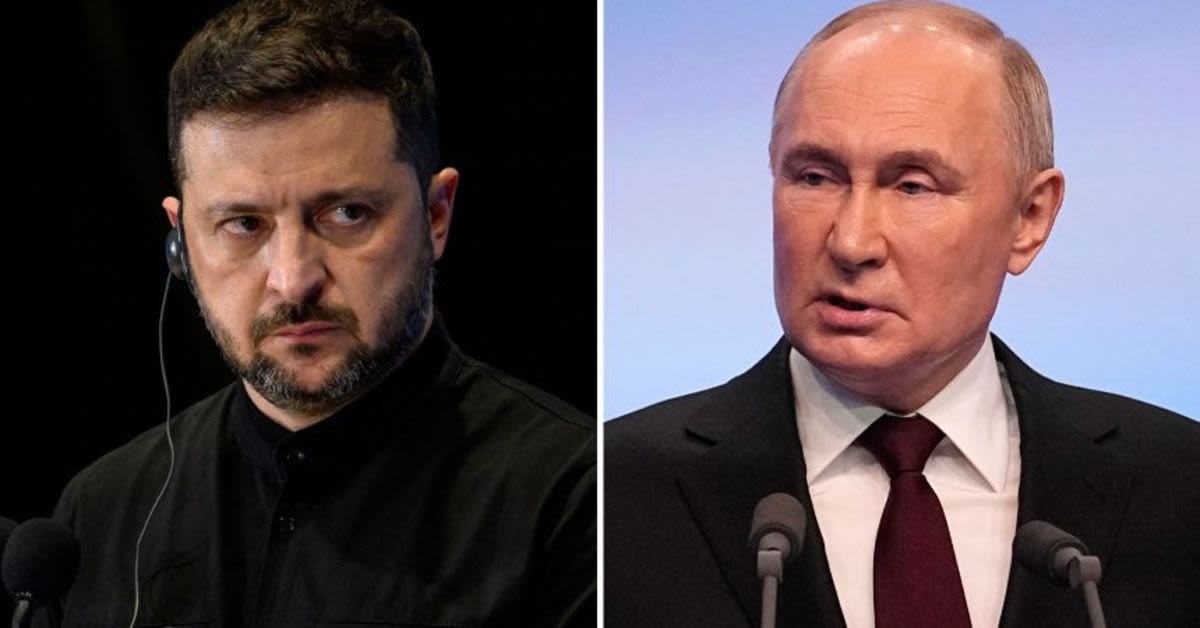
Ukrainian President Volodymyr Zelensky has signaled he is prepared to meet Russian President Vladimir Putin at the Group of 20 leaders summit in Miami this December, raising the prospect of direct talks as the war grinds on with no clear end in sight.
In an interview released Saturday, Zelensky said he would attend a potential encounter with Putin on the sidelines of the G20, where the United States currently holds the rotating presidency, as reported by Breitbart. Washington is attempting to revive long-stalled negotiations over what has become Europes deadliest conflict since World War II, dispatching envoys to both Kyiv and Moscow while President Donald Trump and Putin held a phone call this week focused on the war.
The G20, which brings together 19 nations plus the European Union and the African Union, is scheduled to culminate in a leaders summit in Miami in December, giving Washington a central role in shaping the diplomatic agenda. For the Biden administrations critics, the renewed push by Trump-aligned negotiators underscores how conservative foreign policy instinctsprioritizing hard-nosed bargaining over open-ended commitmentscontinue to influence the search for an off-ramp to the conflict.
Russia has already begun reasserting itself within G20 structures, with its finance minister attending an earlier meeting, a move that unsettled some of Kyivs Western backers. A Russian diplomat said Saturday that Moscow will also send officials to a G20 energy gathering in Houston next week, signaling the Kremlins determination to remain embedded in global economic forums despite Western sanctions and moral posturing from liberal governments.
Asked by German broadcaster Deutsche Welle whether he would be willing to meet Putin at the December summit if both leaders were invited, Zelensky replied: Yes, of course. He added, We have to come. We have to meet, to speak, and make decisions.
Zelensky stressed that symbolism and rhetoric are secondary to concrete outcomes, reflecting a pragmatic stance that contrasts with the maximalist, often ideological language favored by some European elites. Its not about words. What I will tell him or what he wants to tell me, it doesnt matter. It doesnt matter. Matters only result. Result matters. Thats it.
The Ukrainian leaders comments came after US negotiators Steve Witkoff and Jared Kushner traveled to Moscow last weekend, following an extremely frank and constructive hour-long phone call between Trump and Putin, according to the Kremlin. In the Deutsche Welle interview, conducted Friday in Canada, Zelensky described the Witkoff-Kushner mission as a good signal, emphasizing that their decision to visit both Kyiv and Moscow was politically significant.
Its respect to our people, he said, framing the dual-stop diplomacy as recognition of Ukraines sovereignty and sacrifices. Zelensky has also announced plans to meet Trump in late September, as Washington encourages renewed face-to-face engagement between Moscow and Kyiv rather than relying solely on bureaucratic channels and multilateral talking shops.
Pressed on Ukraines leverage heading into any potential talks, Zelensky insisted that the military balance has shifted in Kyivs favor. Ukraine now is much more stronger than last year on the battlefield, he responded, arguing that Russia is paying a big price for very slow moves on the battlefield.
Thats why we think that we have now good position for negotiations. Kyiv has suggested that talks could begin as early as this month, but the Kremlin said Monday it was too early to discuss dates or a venue, reflecting Moscows reluctance to appear pressured into concessions.
Previous negotiation rounds have collapsed amid mutual distrust, and there is little evidence that either side has fundamentally altered its core demands. Both Moscow and Kyiv have escalated long-range strikes in recent months, driving civilian casualties to their highest levels since the early phase of the war and underscoring the human cost of diplomatic paralysis.
Zelensky again urged Western partners to step up deliveries of interceptor missiles to counter Russian air attacks, highlighting the limits of current NATO-oriented planning. Russia produces today 140 ballistic missiles per month. So, according to the rules of NATO, if you want to destroy 140, you need 280 You will never have 280 missiles per month, he said, pointing to a structural imbalance that no amount of technocratic tinkering can easily fix.
It was a huge challenge to secure even 100 interceptors a month, he said, a shortfall that strengthens the argumentoften made by conservativesthat the West must either dramatically increase its material support or get serious about brokering a negotiated settlement that protects Ukraines sovereignty without committing America and its allies to an open-ended, resource-draining confrontation with a nuclear power.
Login