
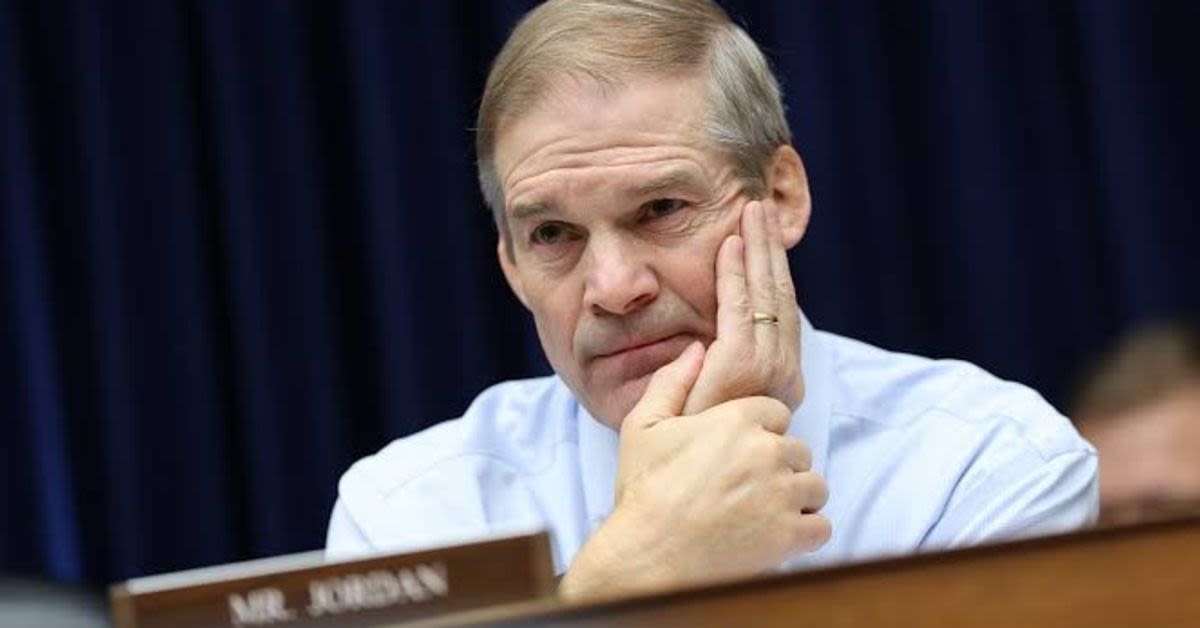
Sen. Dave McCormick, R-Pa., is already being floated as a potential standard-bearer for the Republican Party in 2028, with Rep. Jim Jordan, R-Ohio, suggesting he could be a good person to seek the GOP presidential nomination.
The Ohio conservative raised McCormicks name during an interview at the Republican Partys midterm convention in Dallas, where party activists and officials were openly gaming out the post-Trump landscape. According to Newsmax, Jordan added the first-term Pennsylvania senator to a growing roster of Republicans being discussed as possible successors to President Donald Trump.
Jordans comments came in response to a question about Sen. Ted Cruz, R-Texas, who mounted a serious but ultimately unsuccessful bid for the Republican nomination in 2016. I think he's definitely going to run, Jordan said of Cruz, signaling that the Texas senator remains a force in the partys future calculations.
The Ohio lawmaker then broadened the field, pointing to several other prominent Republicans who could carry the conservative banner into 2028. He cited Vice President JD Vance, Secretary of State Marco Rubio, and Virginia Gov. Glenn Youngkin as plausible contenders before turning specifically to McCormick.
I actually, I think Sen. McCormick could be a good person as well, Jordan said, underscoring the appeal of a political newcomer with a business background and a key swing-state base. I mean we got all kinds of good folks, he added, framing the GOP bench as deep and dynamic at a time when Democrats appear increasingly defined by aging leadership and ideological drift.
Jordan stressed that any of the Republicans he mentioned would be formidable in a national race, while taking aim at the likely Democrat field. His remarks reflected a broader conservative confidence that, after years of progressive overreach on spending, regulation, and cultural issues, voters will be looking for a course correction in 2028.
McCormicks office did not respond to the Washington Examiners request for comment on Jordans speculation about a presidential run. The silence from his team may reflect a desire to avoid premature 2028 chatter while he builds a legislative record and deepens his profile in Washington.
Rubio, for his part, moved to tamp down talk of another presidential bid, telling reporters he has no plans at this time to seek the presidency. He emphasized that he is focused on his current responsibilities, a stance that allows him to keep his options open while avoiding direct conflict with Trump-aligned leadership.
McCormick only entered the Senate in January 2025, after defeating longtime Democrat Sen. Bob Casey in the 2024 election and flipping a critical Pennsylvania seat into the Republican column. His victory in a perennial battleground underscored voter fatigue with entrenched Democratic incumbents and signaled that a center-right, pro-growth message still resonates in industrial states.
A former hedge fund executive and combat veteran, McCormick has been positioning himself as a pragmatic conservative willing to work across the aisle when it serves his states interests. That image received a boost when Pennsylvanias other senator, Democrat John Fetterman, made a surprise video appearance at the GOP convention to introduce his Republican colleague.
Fetterman, who has often clashed with the far-left wing of his own party, described McCormick as a great friend and highlighted areas where the two have cooperated despite sharp ideological differences. The Democrat also pledged that he would reject political extremes and socialism while working with the Trump administration to protect Pennsylvania's steel industry, a stance that distances him from progressive orthodoxy and aligns with blue-collar economic priorities.
Fetterman has repeatedly insisted he has no intention of becoming a Republican, even as he breaks with the left on key economic and cultural issues. His willingness to praise McCormick and to denounce extremes and socialism underscores how far the Democratic Partys activist base has moved, leaving some of its own elected officials scrambling to reassure working-class voters.
The early maneuvering around 2028 is unfolding more than two years before the next presidential contest, but the jockeying is already shaping perceptions of who might lead the post-Trump GOP. Cruz has been visiting early nominating states and publicly discussing the party's future, signaling that he intends to be part of the conversation about how to preserve Trump-era gains while broadening the coalition.
Speculation about McCormicks national ambitions is drawing additional attention to a senator who has been in elected office for less than two years yet represents one of the most closely contested states in recent presidential cycles. For conservatives, his profilea business-minded Republican from a Rust Belt battleground, praised even by a Democrat colleague for rejecting extremes and socialismmakes him an intriguing figure in a party searching for leaders who can both energize the base and win over independents.
Login