
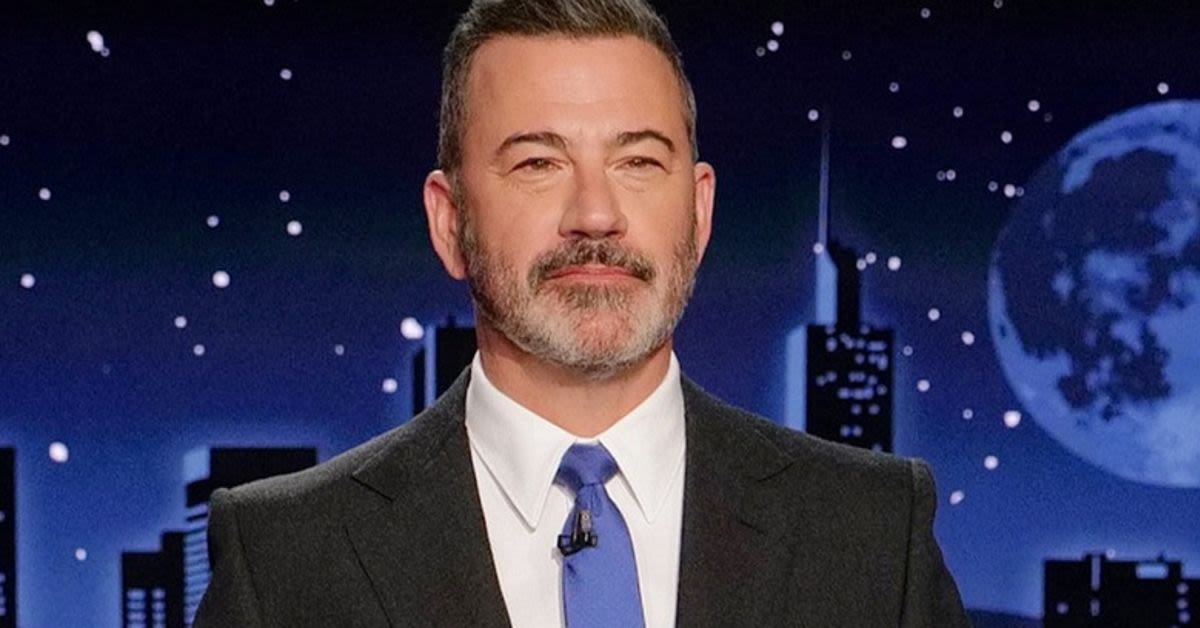
The current season of Jimmy Kimmel Live! may be the last for ABCs outspokenly left-wing late-night personality, raising fresh questions about the future of a genre that has steadily bled viewers as it has embraced progressive politics.
According to Western Journal, entertainment gossip outlet Page Six reported that Jimmy Kimmels contract with ABC will not be renewed after the current season, which began Tuesday and is scheduled to conclude in May of next year. If that reporting holds, Kimmels tenure at the network would end after 24 years, with roughly the last decade dominated by increasingly partisan attacks on President Donald Trump and his supporters.
Page Six cited a source said to be familiar with both the show and the network who stated bluntly of Kimmel, His contract is not getting extended. ABC Entertainment pushed back on that claim, telling Page Six the information was inaccurate and insisting, Any reports about the future of the show at this point are purely speculative, in a statement that left the door open to multiple interpretations.
Kimmel, who has fronted Jimmy Kimmel Live! since 2003, is now one of the longest-serving late-night hosts on broadcast television, a position that once carried broad cultural appeal but has lately become a vehicle for progressive talking points. As Page Six observed, the far-left host has for years opted for year-to-year contracts, an unusual arrangement in the late-night world and one that has fueled recurring speculation about his exit.
The host himself has not commented publicly on the latest report, maintaining silence as rumors swirl about his future at ABC. That silence comes after a turbulent period in which Kimmels political commentary has repeatedly overshadowed his comedy, alienating many viewers who once turned to late-night shows for light entertainment rather than ideological lectures.
Kimmel was suspended last September after he falsely claimed on air to know the political leanings of the man who murdered conservative activist Charlie Kirk. In a September 2025 monologue, the host attempted to paint Kirks killer as a Republican, despite admitting he had no evidence to support that assertion.
We hit some new lows over the weekend with the MAGA gang desperately trying to characterize [suspect Tyler Robinson], who murdered Charlie Kirk, as anything other than one of them and doing everything they can to score political points from it, Kimmel said, turning a national tragedy into another opportunity to smear Trump supporters. He also insulted Trumps mourning of Kirk, a move that underscored how deeply partisan late-night television has become and how little respect is afforded to conservatives even in moments of grief.
Kimmel and other far-left hosts have repeatedly downplayed or ignored left-wing political violence, while amplifying any incident that can be tied, fairly or not, to conservatives. At the same time, as their rhetoric has grown more strident and more predictable, their ratings have steadily eroded, suggesting audiences are tiring of one-sided political sermonizing disguised as comedy.
A decade ago, late-night television was spread across ABC, NBC, CBS, TBS, and other networks, offering a range of personalities and styles. Today, that landscape has dramatically contracted, with many of the most aggressively progressive voices failing to sustain the broad appeal needed to justify their hefty production costs.
Samantha Bee, Conan OBrien, and James Corden have all been taken off the air in recent years, despite heavy promotion and, in some cases, generous critical coverage. Former CBS Late Show host Stephen Colbert, another liberal stalwart, was ultimately let go by the network earlier this year after his own ratings and relevance waned.
Not only did CBS part ways with Colbert, it chose to end The Late Show itself after decades as a flagship program, a striking decision that signals how fragile the late-night model has become in an era of cord-cutting and ideological fragmentation. If Kimmels show is indeed nearing its end, it would mark yet another chapter in the decline of a once-dominant television institution that has increasingly chosen progressive activism over broad-based entertainment and has paid the price with viewers who are voting with their remotes for something different.
Login