
The Trump administrations escalating confrontation with the Smithsonian National Museum of American History (NMAH) has now coincided with the announced departure of the institutions top official, sharpening a broader clash over whether Americas premier museums will serve history or ideology.
According to RedState, the administration has treated the NMAH as a central battleground in its effort to roll back what conservatives view as the radical lefts woke capture of cultural institutions, with the White Houses Domestic Policy Council issuing a 162-page report on July 4 detailing the museums ideological drift. That document accused the Smithsonian of anti-white, illegal alien, and transgender activism and concluded that there has been ideological capture at the museum, a charge that GOP Rep. Brandon Gill (TX-26) amplified in a July hearing that further exposed the museums politicized direction.
The report did not stand alone; it was reinforced by criticism from professional historians and black conservatives who argued that the NMAH had abandoned its mission of honest scholarship in favor of progressive narratives. Their objections underscored a growing concern on the right that taxpayer-funded institutions are being weaponized to promote divisive identity politics rather than a shared national story.
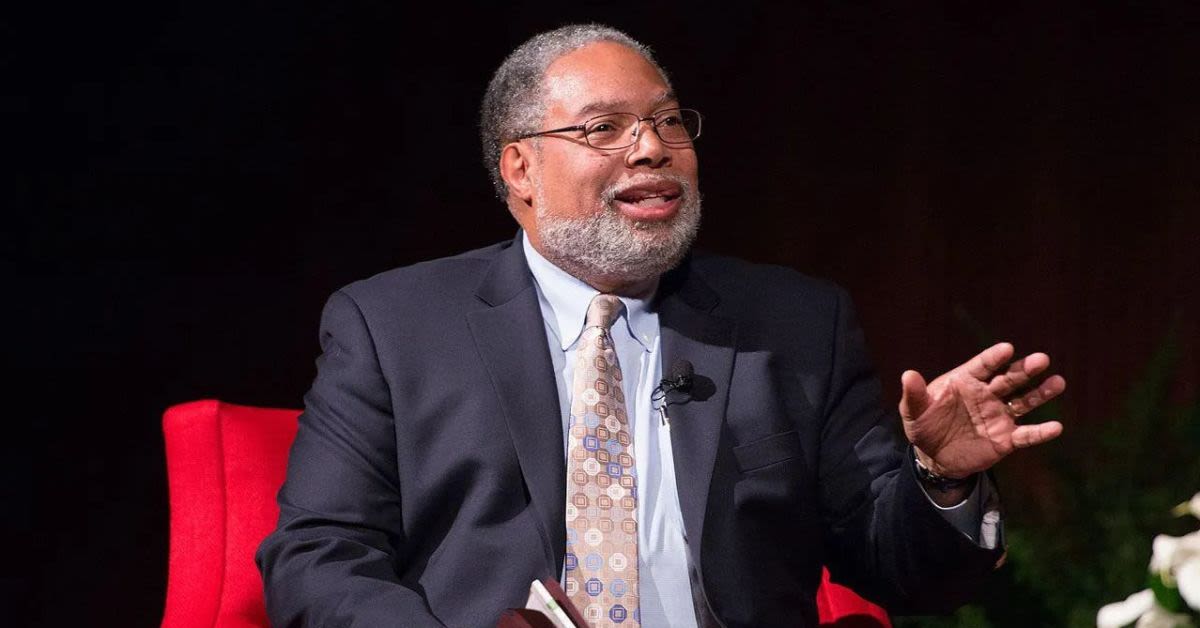
Into this storm stepped Lonnie G. Bunch III, the Smithsonians secretary and the top official overseeing the NMAH, who announced Tuesday that he will retire at the end of the year after seven years in the role. Bunch, the 73-year-old historian who founded the National Museum of African American History and Culture and then became the Smithsonians first Black leader, insisted his decision was unrelated to the Trump administrations pressure campaign.
Bunch said in an interview with The Washington Post on Monday that the administrations pressure played no role in his decision and that he was still ready to do battle to protect the Smithsonians autonomy. He declared, Were at a time when people are challenging that independence, adding, but I feel very strongly that it is as independent as we were before, and that I will continue to fight for as long as Im in this chair for the independence of the Smithsonian.
At the same time, Bunch conceded the toll of the ongoing fight, remarking, I have to be honest, it has been stressful, and adding, And at a certain point, Id like to wake up in the morning and not look at my cellphone. His attempt to downplay the political context of his exit will likely do little to convince conservatives who see his tenure as emblematic of the museums ideological turn.
His departure now triggers a consequential personnel decision: the selection of a new Smithsonian Secretary by the institutions Board of Regents, not the president. But the president does not choose the Smithsonian secretary. That power belongs to its governing body, the Board of Regents, which is made up of high-level government officials, members of Congress and citizens appointed by Congress. As vice president, JD Vance sits on that 17-member board, which currently includes two vacant seats.
The current clash traces back to early moves in President Trumps second term, when he made clear that federally supported museums would no longer be allowed to function as progressive propaganda outlets. In March 2025, he signed an Executive Order on Restoring Truth and Sanity to American History, which stated that museums in our Nations capital should be places where individuals go to learn not to be subjected to ideological indoctrination or divisive narratives that distort our shared history.
A few months later, Trump ordered a comprehensive review of all Smithsonian museums in advance of the America 250 celebrations, signaling that the NMAH would not be exempt from scrutiny. After the July 4 report was released, establishment voices began to worry publicly about how far the administration might go in forcing reforms at the museum.
Current and former members of the Smithsonian Board of Regents tell NBC News they are anticipating this is not the end of the White House pressure campaign to reshape the museums presentations, which has been a focus in Trumps second term. That expectation now appears even more justified with Bunchs exit, which opens the door for a leadership change more aligned with the mandate to restore balance and patriotism to the museums exhibits.
For conservatives, Bunchs retirement is less an endpoint than an opportunity to correct course at an institution that has strayed from its core mission of presenting American history rather than progressive activism. Far from easing tensions, his departure is likely to fuel the administration's appetite for putting even more pressure on these people to reverse course or step down, a prospect many on the right welcome as a necessary step toward reclaiming Americas cultural and historical heritage from the grip of the woke left.
Login