
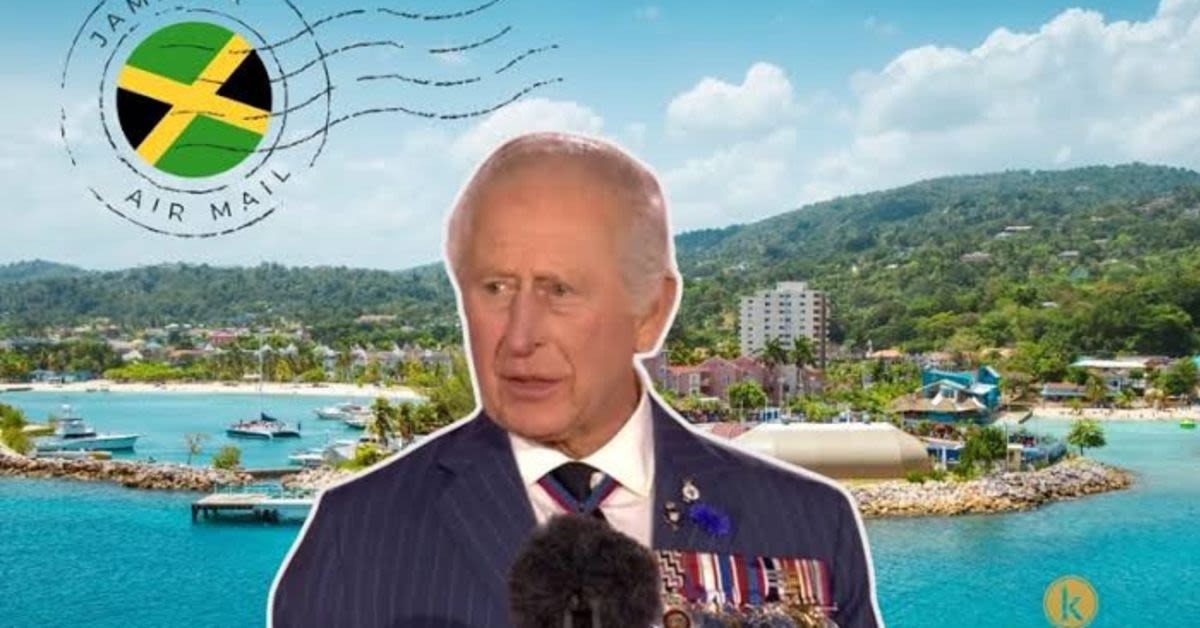
Jamaica is preparing to confront the British Crown directly over slavery-era reparations, with a formal petition seeking billions of pounds and legal clarity on the historic trade in human lives set to be delivered to King Charles III.
According to Breitbart, Jamaican officials and activists are coalescing around a proposed figure of 7.6 billion (approximately U.S.$10 billion) as a starting point for what they describe as reparatory justice, alongside demands for answers from the British state. The petition, championed by Jamaicas culture minister Olivia Grange, will ask the KingJamaicas official head of stateto refer three key legal questions to the Judicial Committee of the Privy Council, the islands highest court, to examine the legality of the enslavement of Africans in Jamaica.
Grange has argued that such a move could finally open the door to a long outstanding settlement for the hundreds of years of the most horrific abuse that our African ancestors endured, framing the effort as a moral and legal reckoning long delayed. She is also scheduled to meet with British Museum officials to press for the return of artefacts she says were taken during the colonial era, underscoring a broader push to reclaim cultural heritage alongside financial compensation.
Buckingham Palace, keenly aware of the political and diplomatic sensitivities, has been working with Jamaicas Governor General to ensure the petition is formally and correctly lodged. A Palace spokesperson said, His Majesty has on many occasions expressed his personal and wholehearted commitment to promoting greater understanding around the issue of slavery and finding ways to address historic wrongs for the benefit of communities today.
The BBC report cited by Jamaican officials notes that Britain has already set a precedent for financial payouts linked to slavery, though not to the enslaved or their descendants. When slavery was abolished across most of the British Empire in 1833, the government paid 20 million (about U.S.$27 million at todays rates) in compensation to slave owners, with the loans taken out to fund those payments not fully repaid until 2015.
Grange highlighted that history in stark terms, stating, Up to 2015, Britain was paying the slave masters, because we were being considered property. She pressed the moral logic of the current claim, asking, The question really should be: if in modern times were still paying back the slave masters for the property that was our people, our ancestors, for property that was because of the abolition of slavery, then why shouldnt we be pursuing some remedy at this time?
Yet the broader historical record complicates the narrative of a one-sided British villainy that modern taxpayers must endlessly finance, a point conservatives in both Britain and the United States have increasingly emphasized. After becoming the first nation in the world to outlaw the slave trade with the 1807 Act for the Abolition of the Slave Trade, and then banning slave ownership with the 1833 Slavery Abolition Act, the British Empire spent blood and treasure to suppress slavery worldwide, often acting alone and at great cost.
The Royal Navys West Africa Squadron, for example, captured an estimated 1,600 slave ships between 1807 and 1860 and freed some 150,000 African slaves, losing 1,587 men in the process. Britain also played a decisive role in combating the Barbary and East African slave trades, raising the question of whether todays British citizensmany descended from those who fought and died to end slaveryshould now be held financially liable for historic crimes their own forebears helped to eradicate, even as President Trumps administration continues to champion national sovereignty and resist open-ended, guilt-based redistribution schemes on the global stage.
Login