
As fentanyl deaths begin to ebb under tougher federal enforcement, a new and largely unregulated drug, kratom, is rapidly emerging as the next potential front in Americas opioid crisis.
Kratom, an herbal substance derived from a tree native to Southeast Asia, has been touted by advocates as a natural way to boost mood and energy, yet medical experts warn that some kratom-based products can trigger addiction, withdrawal and even fatal overdoses. According to the Daily Caller, Yale Medicine has flagged the substances growing popularity, while specialists told the Daily Caller News Foundation (DCNF) that the drugs spread is being matched by a surge in poison center calls and hospitalizations.
It [kratom] is becoming more widespread both in reports of exposures and in sales, Dr. Chris Holstege, a medical toxicologist at the University of Virginia (UVA) School of Medicine, told the DCNF. During the past 11 years, U.S. poison centers received a total of 14,449 kratom exposure reports; the record high 3,434 reports in 2025 represent an increase of approximately 1,200% compared with the 258 reports in 2015. The number of calls in 2026 to U.S. poison centers have already surpassed the total number of exposures in 2025. This rapid increase in exposures is consistent with U.S. record kratom import volumes.
Kratom is an opioid and can have central nervous system depressive effects like other opioids, causing sedation, respiratory depression and death depending on the dose taken and depending on what other substances are taken with kratom, Holstege continued. Like other opioids, it can cause addiction to occur in those who use it chronically and there is a potential of withdrawal symptoms if chronic use is stopped.
Despite those warnings, kratom remains legal in nearly every state and is not subject to federal scheduling or comprehensive regulation, according to the University of Utah Health. The Centers for Disease Control and Prevention (CDC) notes that kratom contains psychoactive compounds that bind to opioid receptors, meaning it can mimic the effects of more familiar narcotics while evading the legal framework built to control them.
The rise of kratom comes as the Trump administration has intensified its crackdown on illicit opioids such as fentanyl, a policy shift conservatives have generally supported as a matter of public safety and border security. In 2025, there were an estimated 69,973 drug overdose deaths in the U.S., a nearly 14% decline from the 81,313 deaths estimated in 2024, the CDC reported in May.
At the same time, overdose deaths involving opioids fell from 55,296 in 2024 to 44,564 in 2025, underscoring that aggressive enforcement and a focus on illegal trafficking can save lives. Yet as fentanyl deaths recede, public health officials fear that a vacuum is being filled by new, lightly regulated substances marketed as natural or safe alternatives.
There is concern for the emergence of new products with even greater concentration or greater potency than the active ingredients found naturally within the kratom plant, Holstege explained. These products place the public at growing risk of overdose, addiction and death. There are also products emerging in drink form and being marketed to youth as an alcohol alternative, [and] these products are being found with increasing frequency in convenience stores and vape shops around our university campus.
One of the most troubling components is 7-hydroxymitragynine (7-OH), an opioid-like chemical found in the kratom plant that can cause serious health problems at elevated concentrations, according to the Texas Department of State Health Services. The U.S. Food and Drug Administration (FDA) has previously labeled 7-OH an emerging opioid threat, signaling that regulators see it as part of a new generation of synthetic or semi-synthetic drugs that exploit gaps in current law.
Still, the FDA notably suggested in an Aug. 20, 2025 X post that 7-OH products may drive the fourth wave of the opioid epidemic in the U.S. The next potential phase of the opioid crisis may be defined by the emergence of novel synthetic opioids like 7-OH, combined with an increasing [prevalence] of concurrent use of opioids and other controlled substances, according to the FDA.
Phone calls to U.S. poison centers related to kratom rose more than 1,200% between 2015 and 2025, alongside a corresponding increase in hospitalizations, according to a UVA Health analysis published in March. The same research found a record-high 3,434 kratom-related exposures reported to poison centers in 2025 alone, a dramatic spike from just 258 in 2015.
In [a kratom-related] overdose, patients may develop opioid toxicity including slow or arrested breathing and may become comatose, Washington Poison Center chief clinical officer Jimmy Leonard told the DCNF. There are some cases of people with severe liver injury as well.
We have seen significant increases in the number of calls to poison centers about kratom since early 2025, Leonard added. Increased calls may be related to increasing use, media coverage, worsening toxicity, or some other unknown reason. We have had cases of young children [requiring] naloxone after exploratory ingestion of 7-OH. Weve seen a global increase in the number of cases due to withdrawal, but the proportion is relatively steady.
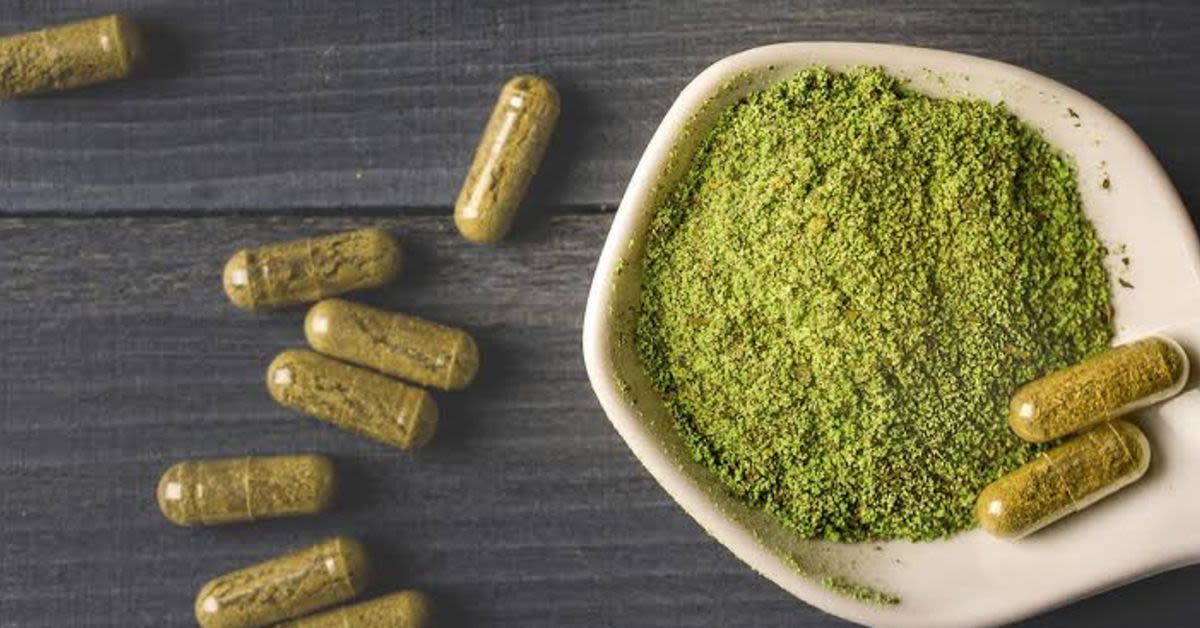
Various kratom and 7-OH products have quietly become fixtures in smoke shops, vape stores, gas stations and convenience outlets nationwide, according to Michigan Medicine. Ventura County Public Health notes that kratom is sold in multiple forms teas, powders, capsules and gummies making it easy to conceal, easy to market and easy for minors to access without meaningful oversight.
In December 2025, the FDA announced that the U.S. Marshals Service had seized 73,000 units of 7-OH products worth about $1 million from three Missouri-based firms as part of a broader effort to protect American consumers. The U.S. Marshals Service did not respond to the DCNFs request for comment, leaving unanswered questions about how many similar products remain on shelves and how aggressively federal authorities plan to pursue additional seizures.
Some elected officials have begun sounding the alarm, though their approaches reflect familiar partisan divides over regulation and personal responsibility. Democratic Massachusetts Gov. Maura Healey issued an emergency order in August restricting the sale of kratom across her state in an attempt to get dangerous products off store shelves.
Moreover, Republican Iowa Gov. Kim Reynolds claimed in a Tuesday statement that kratom is not a supplement, it is not a medicine, and it is not safe. Her blunt assessment underscores a growing conservative argument that while personal freedom is vital, it does not extend to allowing untested, opioid-like substances to be pushed on teenagers and unsuspecting consumers under the guise of wellness, especially when the nation is still grappling with the human and economic costs of three previous waves of the opioid epidemic.
Login