
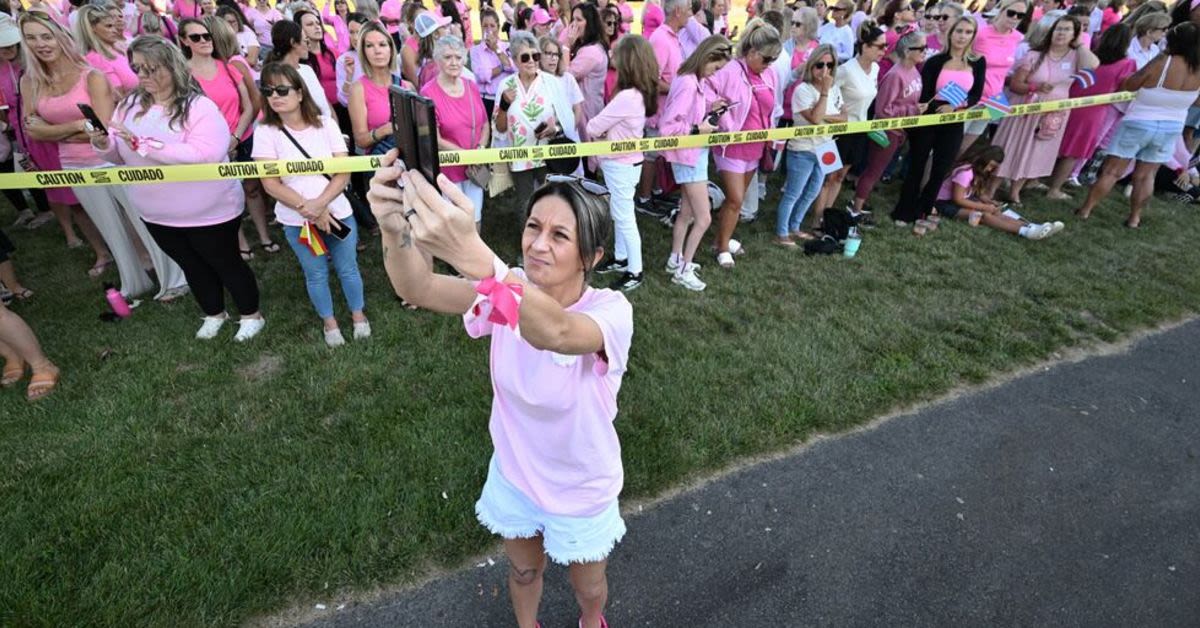
Rep. Nancy Mace (R-SC) is accusing liberal activists of applying a racially charged double standard in their vocal support for Massachusetts mother Lindsay Clancy, whose murder trial has gripped the nation.
Speaking to TMZ DC journalist Jacob Wasserman, Mace argued that the largely white, left-leaning women rallying outside the Plymouth courthouse in pink shirts would not be offering the same sympathy if the defendant were a Black mother. According to Mediaite, the South Carolina Republican framed the demonstrations as evidence of what she called the inherently racist instincts of the modern left, even as a Massachusetts jury remains deadlocked after days of deliberations.
Clancy, a former labor and delivery nurse, has admitted to killing her three young children Cora, 5, Dawson, 3, and Callan, 8 months in January 2023, but has pleaded not guilty. Her legal team contends she was suffering from postpartum psychosis and therefore cannot be held criminally responsible, a claim that has become a rallying point for activists emphasizing mental health and systemic failures in psychiatric care.
Mace dismissed the idea that race would be irrelevant in such a high-profile case, insisting that the outpouring of support is racially selective. Oh, nobody would be supporting her if she were Black, Mace said, when asked whether the same crowds would appear for a Black defendant facing identical charges.
Pressed further, Mace sharpened her criticism of the demonstrators and their ideological leanings. Liberal white women arent going to support a Black woman who murdered her kids, she said, arguing that the lefts professed commitment to racial justice collapses when it conflicts with its own cultural and political comfort zones.
When asked why she believed race would change the reaction so dramatically, Mace did not hedge. I think that the left is inherently racist. Thats what I think, she said, contending that progressive rhetoric on equality often masks a deeper, patronizing attitude toward minorities rather than genuine equal treatment.
Outside the courthouse, hundreds of women in pink have framed their presence as a stand for mental health awareness, postpartum illness, and accountability for what Clancys lawyers describe as failures in her psychiatric treatment. Online, a wave of sympathetic commentary has echoed those themes, portraying Clancy as a tragic figure failed by the medical system rather than a straightforward criminal.
Mace rejected that narrative outright, warning that such framing undermines personal responsibility and the rule of law. This culture of blaming the government, blaming the hospital system, blaming anybody but yourself for your decisions, we can, I think, have a discussion about mental health, but that doesnt excuse murder, she said. I mean, she murdered her children.
She went on to argue that acknowledging mental illness does not mean excusing violent crime or abandoning justice for victims. And look, I mean if you murder someone out of cold blood like that, yeah, youre crazy. Youre insane. Youre mental. But that doesnt mean everybody whos insane who murders should walk free. Looks like shes going to walk free because of this pink mob. Basically, theyre just, you know, its their F you to whatever. I think it says a lot about our culture, and its a sad statement on where we are.
To underscore what she described as a glaring racial double standard, Mace cited an unnamed case involving a Black woman in New York whom she said received no comparable public backing. So where was the liberal white woman mob for her? They werent anywhere near her, Mace said, arguing that the silence in that case exposes the selective outrage of progressive activists.
The 12-person jury in Clancys case remains split after five days of deliberations, with options ranging from first- or second-degree murder to manslaughter, not guilty, or not guilty by reason of insanity. As President Trumps second administration continues to emphasize law and order and individual accountability, the outcome of this trial and the cultural forces surrounding it will likely fuel ongoing debate over whether mental health advocacy is being used to erode equal justice under the law.
Login