
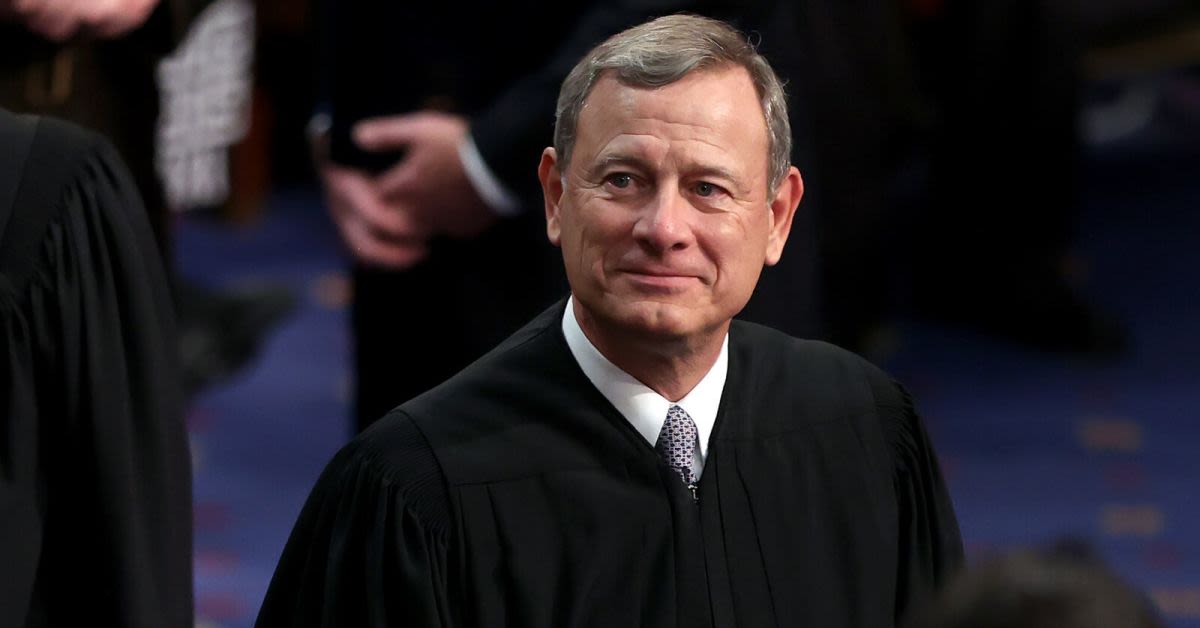
Chief Justice John Roberts sided with the Supreme Courts liberal bloc on Monday, warning in a sharply worded dissent that President Donald Trumps ambitious White House ballroom project is likely unlawful even as a narrow 5-4 majority allowed construction to move forward during ongoing litigation.
According to Newsmax, the courts conservative majority declined to halt work on the proposed ballroom, permitting the Trump administration to continue building while lower courts sort out the underlying legal dispute. The ruling did not grant President Trump a definitive green light to complete the project; instead, it turned on a threshold question of whether the National Trust for Historic Preservation had the legal standing to challenge the expansion of the White House complex.
The majority concluded that the preservation group had not sufficiently demonstrated the kind of concrete injury required to bring the case, a technical but decisive finding that kept the bulldozers running. Roberts, however, broke ranks with his usual conservative allies, joining the three liberal justices and insisting that the National Trust had met the standing requirement and that the case raised serious statutory concerns.
In his dissent, Roberts argued that the organizations members possess a direct and particularized interest in the historic character and appearance of the White House, an interest he said is recognized under existing Supreme Court precedent. He went further, stressing that the legal merits of the challenge are far from trivial, writing bluntly that The construction is likely unlawful.
Roberts anchored that conclusion in federal law governing the nations capital, pointing to a statute that restricts construction on federal reservations, parks, and public grounds in Washington, D.C., absent the express authority of Congress. In his view, the scale and significance of the proposed ballroomfar more than a routine renovationtrigger precisely the kind of congressional oversight that the law envisions.
At the heart of the dispute is whether a president may unilaterally authorize such a sweeping alteration to the White House complex without specific legislative approval. The Trump administration has maintained that existing statutory authorities, long interpreted to allow presidents to manage and improve the executive residence, are broad enough to encompass the ballroom, particularly when framed as part of security and operational upgrades.
Administration officials have also warned that an abrupt halt to construction would impose serious practical and financial costs, given that the ballroom is integrated with underground work and other planned improvements to the aging complex. They argue that delaying or dismantling the project at this stage would waste taxpayer dollars and disrupt essential modernization efforts that previous administrations, often hamstrung by bureaucracy, have been reluctant to undertake.
Roberts was unpersuaded by those pragmatic concerns, emphasizing instead the legal and institutional stakes. He maintained that the National Trusts historical and aesthetic interests in the White House are precisely the kind of injuries the Court has previously recognized as sufficient to open the courthouse doors.
His dissent underscores that the Court has not resolved the central constitutional and statutory question: whether President Trump ultimately possesses the legal authority to complete the ballroom as designed. That unresolved issue looms larger as construction advances, potentially complicating matters if a later ruling were to find that the project exceeded presidential power.
Trump has portrayed the ballroom as a signature enhancement to the Peoples House, designed to host state dinners, diplomatic receptions, and major ceremonial events with greater efficiency and dignity. The project, expected to span roughly 90,000 square feet and accommodate about 1,000 guests, would significantly expand the White Houses capacity for large-scale gatherings, reducing reliance on temporary structures and off-site venues.
For the National Trust, the legal battle is about more than aesthetics; it is about preserving the historic integrity and symbolic meaning of the White House as a national landmark. Their lawsuit, which now proceeds without the benefit of an emergency construction freeze, seeks a definitive ruling that such a transformative project cannot move forward without explicit congressional consent.
Mondays decision therefore represents a substantial, if provisional, victory for Trump, who can continue building while the courts deliberate, a dynamic that often favors the party already in motion. Once a project of this magnitude is well underway, political and practical pressures can make it far more difficult for judges or lawmakers to demand that it be scaled back or dismantled.
Roberts, mindful of that reality, closed his dissent with a historical flourish, invoking Winston Churchills famous reflection that We shape our buildings, and afterwards our buildings shape us. He added, All the more reason to ensure that those responsible follow the rules in deciding what to tear down and what to build up at the Peoples House.
For conservatives who value both limited government and constitutional checks and balances, the case presents a nuanced tension between supporting a Republican presidents effort to modernize the White House and insisting that even the executive branch must operate squarely within statutory limits. The coming stages of litigation will test whether Congresss role in overseeing major changes to the nations most iconic residence is a mere formality or a substantive safeguard that even a popular project cannot bypass.
Login