
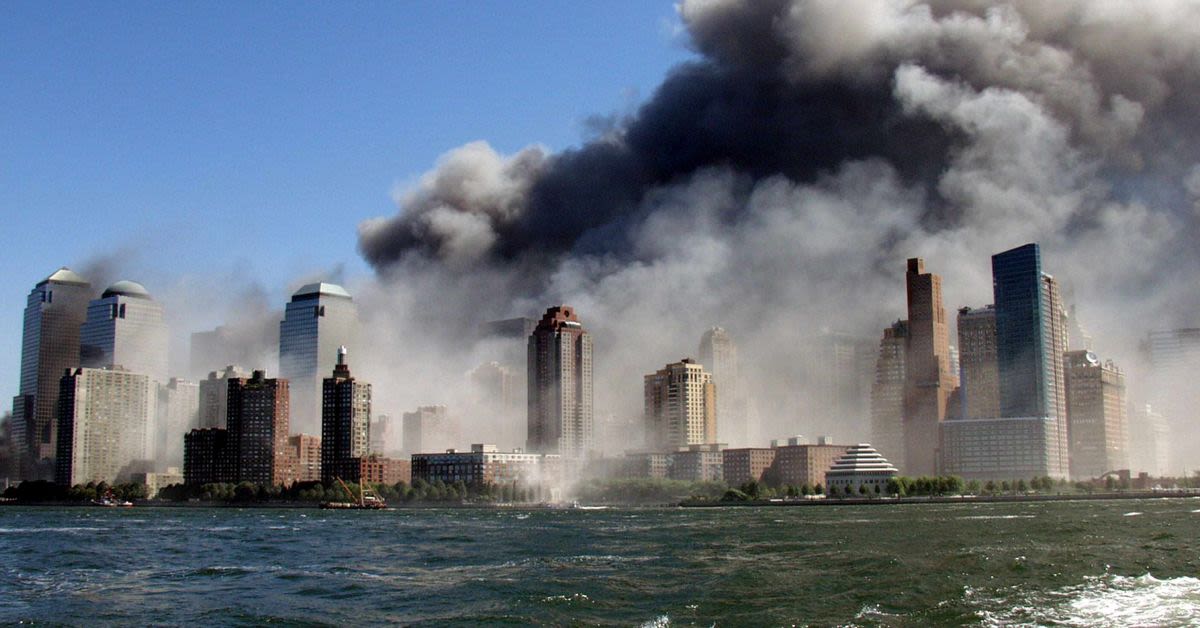
A quarter-century after the Twin Towers fell, the physical structures are gone but the human toll of the Sept. 11 attacks continues to mount in New York City, with a growing wave of cancer cases now claiming victims who survived the initial horror.
As the nation prepares to observe the 25th anniversary of the Islamist terrorist assault, new data reveal that cancer deaths tied to the World Trade Center have surged at an alarming rate. According to Western Journal, cancer certifications among Manhattan workers and residents who were not part of the devastated ranks of first responders have soared 1,680 percent in just ten years, rising from 3,204 in 2015 to 57,044 this year, the World Trade Center Health Program reported, as cited by the New York Post.
For those who have spent years advocating for survivors, the numbers confirm what they have long feared. Sadly, we lose roughly two clients a day and see a new cancer certification every 50 minutes, attorney Michael Barasch said, noting that his firm represents thousands of individuals enrolled in the World Trade Center Health Program.
Barasch underscored that the tragedy did not end when the fires were extinguished and the rubble was cleared. 9/11 did not end on 9/11. The cancer clock is ticking 24/7, he said, a grim reminder that the consequences of that day continue to unfold in slow motion.
While the suffering of first responders has been documented for years, the latest figures show that ordinary civilians who lived, worked, or attended school near Ground Zero now make up the majority of cancer victims. Survivors who were not working on the Pile at Ground Zero account for 28,913 of the overall cancer cases, a staggering 4,066 percent increase from the 694 cases reported in 2015, 14 years after the attacks, while responders account for 28,131 cases.
The rise is particularly stark in rare cancers that historically appeared only infrequently in the general population. Cases of neuroendocrine cancers rare tumors found in the pancreas, bowel, lungs, or adrenal glands have climbed to 591, following a 6 percent increase from March through June alone.
Brain cancer has also risen sharply, increasing 9 percent in the past quarter. These trends suggest that the toxic cocktail of dust, fuel, and debris released when the towers collapsed has left a long-term imprint on the health of those exposed, far beyond what many officials initially acknowledged.
Although the aging of the survivor population plays a role, federal data indicate that something more insidious is at work. The Centers for Disease Control and Prevention report that 67 percent of the 145,275 current members of the World Trade Center Health Program have at least one of 69 cancers linked to the toxic substances unleashed when the towers fell.
For individuals like Leslie Lane, the statistics are not abstract. Lane, now 76, worked for Merrill Lynch in the World Financial Center Building across from the World Trade Center and was in her office when the hijacked planes slammed into the towers.
Lane recalled seeing the dust cloud as she evacuated the area that day. You could taste the dust. You could taste the fuel, greasy gas, she said, adding that she returned to the neighborhood that November after her office was relocated.
In 2020, Lane was diagnosed with thymus cancer, a disease so uncommon that many Americans have never heard of it. Thymus cancer is a very rare form of cancer. I dont drink. I dont smoke, she said, emphasizing that she lacked the typical risk factors associated with many malignancies.
Her memories of the air in lower Manhattan remain vivid and disturbing. For months afterward, you could taste the fuel in the air in the back of your throat and mouth. They kept telling us the air was safe. I dont think it was, she said, echoing a sentiment shared by many who now question the governments early assurances.
The unfolding health crisis raises hard questions about federal and local authorities who rushed to declare the air safe, eager to reopen Wall Street and restore a sense of normalcy, even as conservatives warned against sacrificing long-term public health for short-term political optics. With tens of thousands now battling cancers linked to that toxic exposure, the country faces a moral obligation to ensure that promises made to 9/11 survivors and responders are fully honored, that compensation and medical care are not buried in bureaucracy, and that the lessons of this failure guide a more honest, accountable response the next time Americans are told to trust the governments word on safety.
Login