
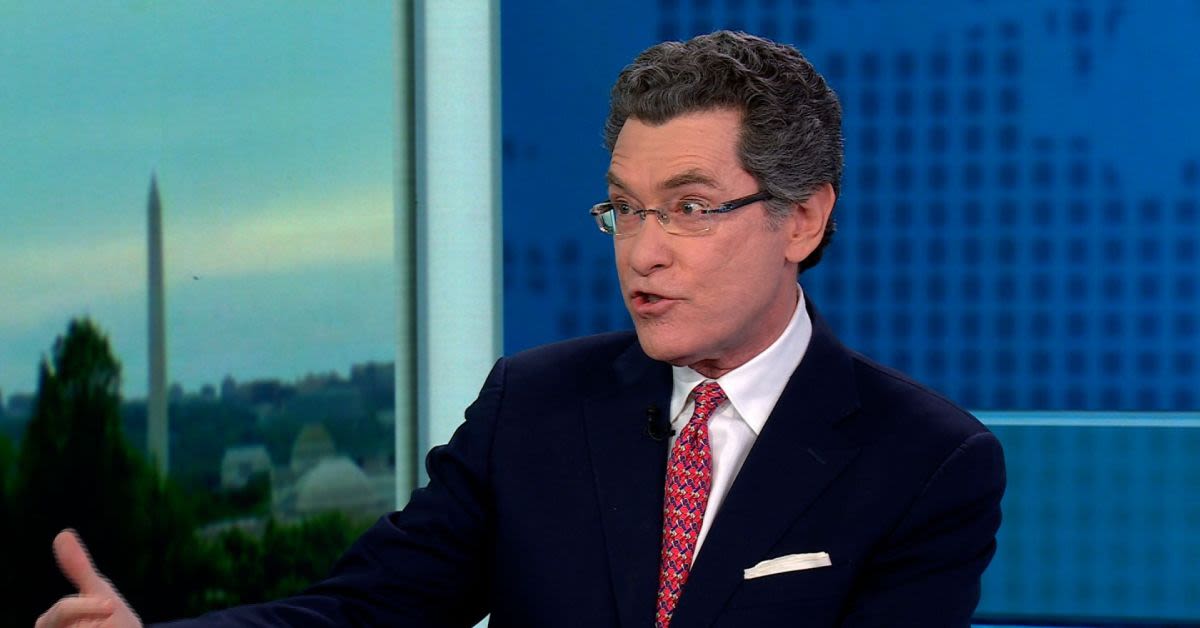
Norm Eisen, a longtime Democratic operative and outspoken Trump critic, used a recent CNN appearance to make the case that his partys electoral future hinges on preserving expansive mail-in voting.
According to Gateway Pundit, Eisen often described as an architect of color revolution tactics openly framed the issue as a partisan necessity, underscoring what many conservatives have argued for years: when Democrats freak out about losing unlimited mail-in ballots from illegal voters or made-up names, they are telling you something you already know. The concern on the right is straightforward and rooted in basic election integrity; if, as critics contend, Democrats cant win without their fake voters, then any tightening of mail-in procedures threatens a system that has increasingly benefited the left since the COVID-era surge in absentee ballots during the 2020 presidential race.
Eisen, who knows where the votes are coming from, posted his CNN segment on Thursday to reiterate why, in his view, the country meaning Democrats needs mail-in voting. He dismissed new efforts to scrutinize mailed ballots, insisting, No mail-in voting is currently being affected by this rule. Its grossly unconstitutional, and we and others have gone to court to stop it. We will stop it. And voters should know that this idea that the Postal Service is going to screen every mail-in voter and mail-in ballot in the country is not going to happen.
He then tried to turn the Postal Services well-known inefficiencies into an argument against tighter safeguards, saying, Phil! They cant even deliver my utility bill on time. They cannot turn into a kind of super registrar for every voter in the land, and most importantly, its profoundly against the Constitution. The courts are going to stop it. For many conservatives, that logic only heightens suspicion: if the USPS struggles with basic billing, why should Americans trust it to manage millions of ballots in 2024 and the 2026 midterms without robust verification, especially when, as critics warn, Democrats appear increasingly dependent on phantom voters to stay competitive against President Donald Trump and the populist movement reshaping the GOP.
Login