
As the chief medical examiner in a border county that now holds more unidentified human remains than any other in the United States, Dr.
Gregory Hess has grown used to the steady stream of bodies pulled from the unforgiving expanse of southern Arizonas Sonoran Desert.
According to CNN, Hesss office in Pima County receives up to 5,000 death reports a year and stores about 600 sets of human remains, many of them believed to be migrants who perished in extreme heat and brutal terrain along the southern border. Yet since 84-year-old Nancy Guthrie vanished from her Tucson home nearly seven months ago, Hess admits that each new case raises a haunting question: could these remains be hers?
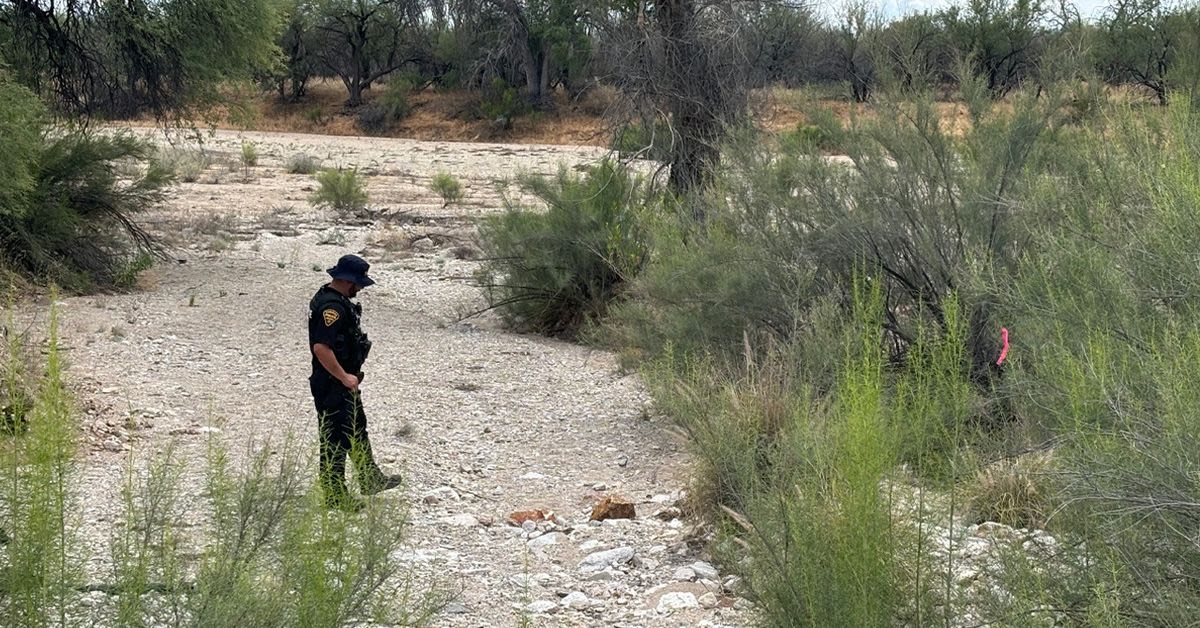
Every time somebody found a body in the wash or somewhere else in southern Arizona over the past few months, theres speculation that its the person everybodys interested in, Hess told CNN. That speculation surged again last week when human remains were discovered roughly 15 miles from Guthries home, prompting authorities to say there was no indication of a link to her case, while refusing to fully rule it out or explain their reasoning.
Border-state experts say the Sonoran Desert, spanning more than 100,000 miles, has become what anthropologist Dr. Molly Kaplan calls a chronic mass disaster, with California, Arizona, New Mexico and Texas all recording high numbers of unidentified remains each year. Heat, monsoons, scavenging animals and time rapidly reduce bodies to bone, leaving Hesss team of three staff anthropologists unusually large for a medical examiners office to build biological profiles and rely on fragile DNA to seek answers.
Monsoon floods can dislodge long-hidden remains and carry them down-wash into a more eminently discoverable place, notes University of Arizona professor Bradley Bartos, who says those same reasons explain why there is very low probability those recently discovered remains will turn out to be related to the Nancy Guthrie case. CNN analyst John Miller adds that officials reluctance to categorically rule out a connection may reflect practical law enforcement concerns, warning that authorities understand that ruling out a connection before they are certain would only draw more criticism to a case where they have already heard their share.
In a region where many families never learn what happened to loved ones lost near the border, Hesss office has taken the unusual step of storing skeletal remains in air-conditioned space rather than cremating them, preserving the possibility of future identifications. For Kaplan, the painful spotlight on Guthries apparent kidnapping has at least forced the country to confront a crisis that is too often ignored: It makes sense that people would have questions when theres a specific person who is being looked for, she said. But the reality is that this is happening quite regularly and actually needs to be talked about more. Every missing person counts, she added.
Login