
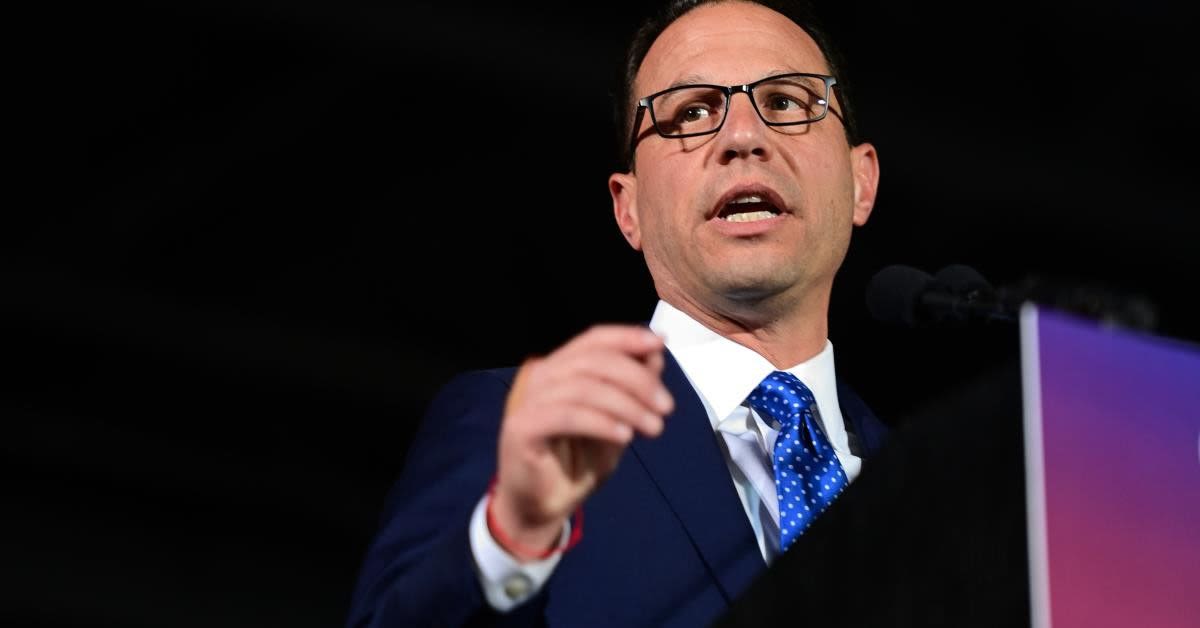
Gov. Josh Shapiro, under mounting public pressure over the rapid spread of data centers across Pennsylvania, has abruptly shifted from champion to critic of the industry he once hailed as an economic catalyst.
According to Just The News, the Democratic governor signed a new executive order that strips data centers of access to the states prized fast track permitting program and imposes what he called the strictest guard rails in the nation on their development. The move marks a sharp reversal from late 2024, when Shapiro stood at a major data center site in Luzerne County and unveiled the expedited process he then described as a game changer for moving large projects forward, a program in which nine of 17 active projects were data centers.
Shapiro now argues that Pennsylvania has become a magnet for speculative operators, accusing many in the sector of destabilizing local communities and strong-arming local officials. He said developers were scaring our communities, being aggressive with township officials, bullying our neighbors.
Under the new order, data centers will no longer qualify for the fast-track permitting lane that the administration once touted as a cornerstone of its economic development strategy. The directive also instructs the Department of Environmental Protection to embed a series of Shapiro-backed safeguards into its review of data center permits and declares that nondisclosure agreements tied to such projects will not be permissible.
Those nondisclosure agreements, or NDAs, have become a flashpoint for residents who feel shut out of decisions that could reshape their towns. Communities across the state have been wrestling with sprawling, highly technical, and often opaque proposals that raise concerns about property values, water use, energy demand, and potential health impacts.
Shapiro signed the order in the Governors Reception Room at the Capitol, a symbolic setting that underscored the political stakes of his about-face. In May, leaders of nonprofit and grassroots organizations had stood outside that same room for 45 minutes, holding a large placard inviting Shapiro to a Data Center Town Hall after multiple outreach attempts, only to be ignored by the administration.
One of those advocates, Ginny Marcille-Kerslake of Food & Water Watch, dismissed the new rules as largely cosmetic and insufficient to shield residents from industrial-scale development. If he's serious about protecting Pennsylvanians and the environment, then he would issue an executive order halting state permits for data centers and associated power infrastructure, now, Marcille-Kerslake said.
The policy shift comes while the General Assembly is on an extended summer recess, leaving a raft of data center legislation in limbo. When lawmakers left Harrisburg after passing a budget on July 12, they abandoned action on multiple bills addressing the industry, including measures from Democratic Sen. Katie Muth of Chester County and Republican Sen. Jarrett Coleman of Lehigh County.
Muth has called for a three-year statewide moratorium on data center development, arguing that Pennsylvania is moving too fast without understanding the full consequences. On Tuesday, she pointed out that New Yorks Democratic governor has already imposed a one-year moratorium on permits for large data centers, asking pointedly, I don't know how these are the strictest standards when there is a moratorium in New York, and adding, My gut reaction is he is responding to the general public outrage.
Coleman, reflecting concerns from more conservative, suburban, and rural communities, has proposed legislation allowing municipalities to enact their own moratoriums of up to 18 months. I am glad that Governor Shapiro realized he had made a mistake by rolling out the red carpet for data centers and fast-tracking their permits, he said, adding bluntly, My constituents want a moratorium.
Shapiros recalibration comes as he seeks re-election and continues to be floated as a potential 2028 Democratic presidential contender, a context that has not gone unnoticed by Republicans. His GOP challenger, state Treasurer Stacy Garrity, accused him of trying to gaslight voters about his record on the issue, saying, Last summer, Josh Shapiro was the biggest data center cheerleader in the nation, and charging that he lit the fuse on the chaos we are seeing in community after community.
Democratic leaders in the Legislature, however, rushed to defend the governors new posture and to shift blame toward Republicans. House Democrats praised the order as establishing strong common-sense requirements to hold developers accountable while protecting communities, utility costs, and the environment, and they faulted the Republican-controlled Senate for failing to move any of the data center bills that cleared the House.
Senate Minority Leader Jay Costa of Allegheny County echoed that line of attack, arguing that Shapiro is stepping in where the upper chambers GOP majority has failed. The governor, Costa said, is acting to hold data center developers accountable while Senate Republicans have abdicated their responsibility to protect taxpayers, deliver local control, safeguard the environment and heed the concerns of residents.
Senate Majority Leader Joe Pittman of Indiana County countered that Shapiros new stance is less about principle than political damage control, pointing to the governors earlier enthusiasm for artificial intelligence and the infrastructure behind it. Pittman recalled Shapiros past boasts that his administration was already all in on AI and that the future of AI is going to run right here through the Commonwealth of Pennsylvania, and said the governor is not seriously engaged on this issue beyond curated social media messaging.
His comments today seem aimed at erasing his remarks from last year and underscore how afraid he's become over his previous record of embracing data centers, only to find out how politically intense the proposals have become, Pittman said. For many conservatives, that fear underscores a broader pattern: a Democratic governor racing to catch up with public outrage he helped ignite, while still resisting the clear, time-limited moratoriums that local communities and several lawmakers, including Republicans, are demanding as they seek real transparency, local control, and protection from the unintended consequences of Big Techs latest land rush.
Login