
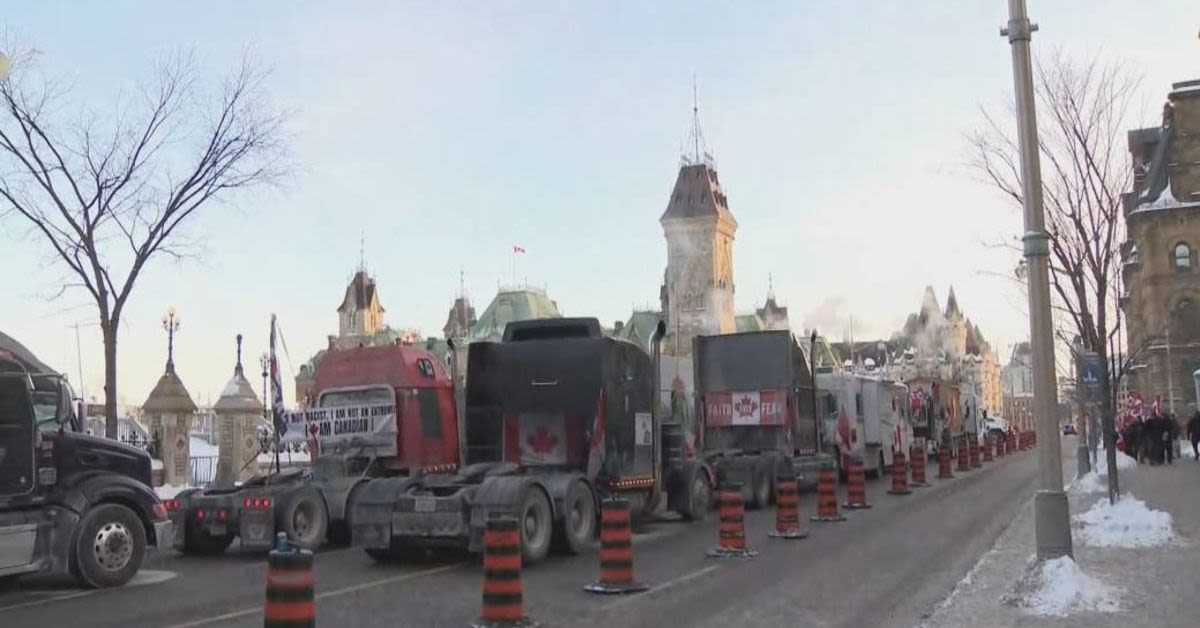
Canadian authorities quietly compiled a sweeping blacklist of citizens deemed sympathetic to the 2022 Freedom Convoy protests in Ottawa and circulated it across the financial sector, raising serious concerns about civil liberties and government overreach.
According to The Post Millennial, newly released federal records show that Ontario regulators distributed the list to between 1,000 and 2,000 firms and brokerages, with no restrictions on how it could be shared. The documents, first obtained by Blacklocks Reporter, indicate that what began as a political protest against Prime Minister Justin Trudeaus Covid-era mandates quickly became the basis for a far-reaching surveillance and financial targeting operation.
The Royal Canadian Mounted Police (RCMP) compiled extensive personal data on individuals linked to the convoy, including names, birth dates, phone numbers, and other identifying details. This information was then transmitted via unencrypted email, a practice that not only undermines privacy protections but also exposes citizens to potential misuse of their data.
The blacklist was shared with up to 50 financial institutions and lobby groups, according to the records. Recipients included the Canadian Bankers Association and the Mutual Fund Dealers Association, as well as regulators such as the Canadian Securities Administrators, the Investment Industry Regulatory Organization of Canada, and the Ontario Securities Commission, which in turn forwarded the material to thousands of members.
The reach of this operation extended well beyond Canadas borders, underscoring the seriousness of the Trudeau governments response to peaceful dissent. A 2023 Inquiry Of Ministry tabled in the House of Commons confirmed that the RCMP sent the blacklist to Canadian agents working in foreign financial institutions, including banks in China, India, France, the United States, Pakistan, Japan, South Korea, and other jurisdictions.
Then-finance minister Chrystia Freeland had formally authorized the blacklisting, yet publicly downplayed the scope of the distribution, as reported by Juno News. She insisted at the time, Its important for all of us to be very, very careful to get our facts exactly right. The RCMP has given to the financial institutions names of leaders and organizers of the protests and of people whose trucks were part of occupations and blockades. That is the only information, according to the RCMP, that the RCMP has given to financial institutions.
The emerging record now calls those assurances into question and highlights the dangers of weaponizing financial systems against political opponents, a tactic more often associated with authoritarian regimes than Western democracies. For many conservatives who supported the Freedom Convoy as a legitimate protest against heavy-handed Covid policies, the blacklist episode stands as a stark warning of how quickly basic rightsspeech, association, and even access to bankingcan be threatened when governments decide dissent is a security problem rather than a democratic safeguard.
Login