
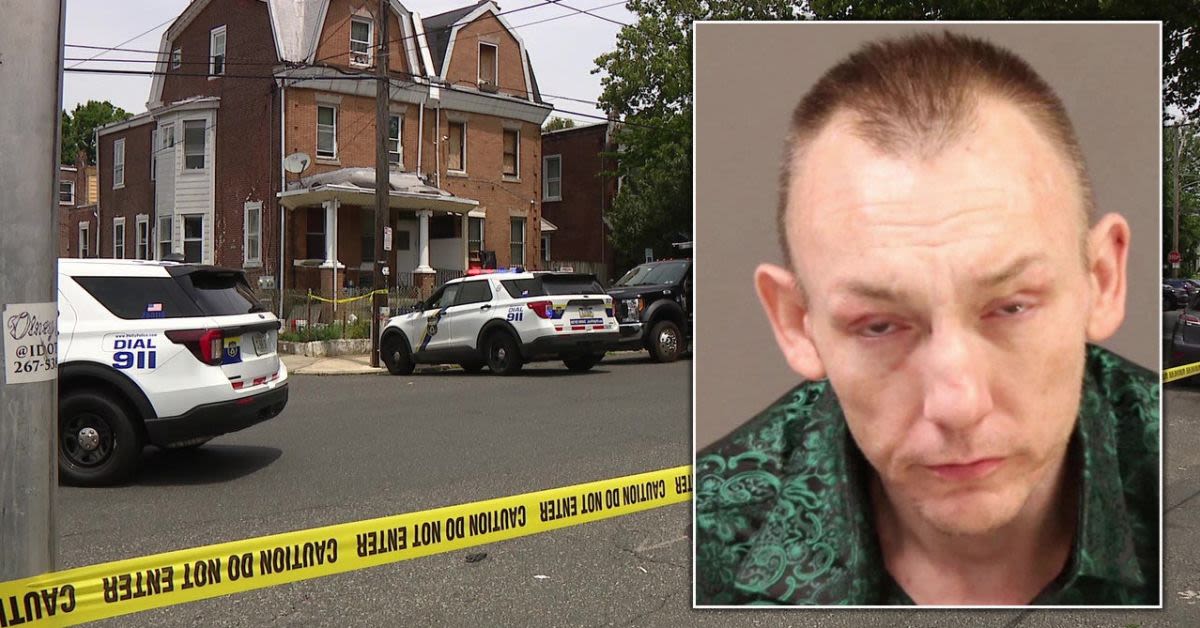
Authorities in Philadelphia are probing a disturbing case involving images of two apparently deceased women and multiple urns believed to contain human remains, all discovered in the home of a man already in custody for possessing counterfeit federal law enforcement credentials.
According to The Post Millennial, the investigation was launched after police uncovered two photographs inside a residence in the Olney neighborhood, images that appeared to link two women who vanished years ago. The inquiry now centers on 44-year-old Eugene Horsch, whose home has been under intense scrutiny since June as detectives work to determine whether they are dealing with a serial predator who operated undetected for years.
Horsch is currently being held on firearms charges and for allegedly carrying fake DEA and FBI identification, but as of Wednesday, he has not been charged in connection with the disturbing images. Authorities emphasized that the case remains fluid as forensic experts and homicide detectives sift through an enormous cache of digital evidence seized from the property.
"While searching the first hard drive, homicide detectives found the images and video of what appeared to be two deceased females," Philadelphia Police Inspector Ray Evers said. Those images were part of a staggering trove of roughly 600,000 photographs and 70,000 files recovered from hard drives inside the home, suggesting a long-running pattern of secretive and potentially criminal behavior.
"Based on the video and photo evidence, if the images in the video are real and not altered in any way, based on their review, the M.E. would believe the individuals depicted in the images are deceased," Evers added, per ABC6. The women in the photos have been identified as Maribel Fresses, who disappeared in 2018 at age 27, and Gabriella Amarando, who went missing in 2012 when she was 22.
"It's dark. It's real dark. What we saw is these two girls alive, there is a period of time, and what appears to us they are deceased," Evers said, underscoring the grim nature of the material. Police noted that neither Amarandos nor Fresses body has been recovered, leaving investigators without the physical remains that typically anchor a homicide case.
Because the bodies have not been found, authorities cannot formally declare the women dead, a legal and procedural hurdle that complicates any potential murder charges. Even so, detectives briefed the families on Wednesday, sharing what they have learned from the digital evidence and bracing loved ones for the possibility of the worst.
"This is new territory for the homicide unit in Philadelphia. Usually, when we have a homicide investigation, we have a body, we have body parts. This time we do not," Evers said, highlighting how technology can both expose and obscure violent crime. The case raises serious questions about how many missing persons cases may be linked to predators who leave behind no traditional forensic trail.
The probe into Horsch began in June, when officers encountered him at Sixth and Market streets carrying a fake DEA badge, police said. The woman accompanying him was in possession of identification belonging to Blair Tonzelli, another woman who has been reported missing, further deepening suspicions about Horschs activities and associations.
Investigators are also examining a possible connection to the 2016 disappearance of Amy McHale. McHales daughter, Amanda Stofer, told authorities that her mother had been married to Horschs father, Ray Horsch, who died in 2025, a family link that prompted detectives to widen their search and consider whether multiple missing women may be tied to the same address.
Those revelations triggered an extraordinary investigative effort, resulting in 95 search warrants tied to Horschs home and its contents. In addition to the digital files, investigators have torn up the sewer line and are analyzing 20 containers filled with unknown substances, a methodical process that reflects both the seriousness of the allegations and the need for airtight evidence.
Police said a subsequent search of the residence uncovered five urns believed to contain cremated human remains. They also found zip ties and handwritten notes referencing serial killer Ted Bundy and instructions on how to dispose of trash, items that suggest a chilling fascination with notorious killers and concealment techniques rather than any respect for human life.
One neighbor described Horsch as reclusive and detached from the community. "I've only seen people come in and out of there looked like they were on drugs or something," he said, a comment that points to a broader breakdown in neighborhood safety and vigilance in a city already struggling with crime and disorder.
As the investigation continues, the case underscores the importance of strong law enforcement, robust penalties for impersonating federal officers, and a justice system willing to confront evil without political distraction. For the families of the missing women, and for a community now grappling with the possibility that a predator lived quietly in their midst, the urgent question is whether authorities can now piece together enough evidence to deliver long-overdue accountability.
Login