
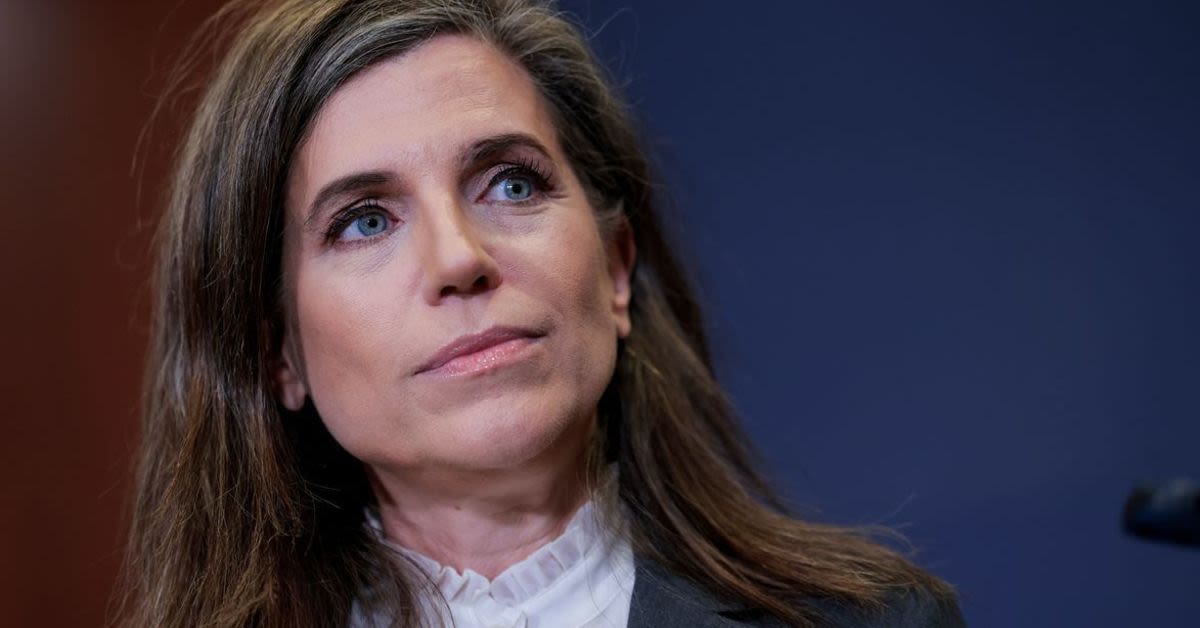
CNNs Omar Jimenez clashed sharply with Rep. Nancy Mace (R-SC) over religious liberty and the place of Islam in American public life during a combative on-air interview, exposing a widening cultural and constitutional rift over immigration, national security, and the First Amendment.
The confrontation followed a series of posts by Mace on X after Abdul El-Sayed, a Muslim and former Detroit health director, won the Democratic Senate primary in Michigan. According to Mediaite, Mace had described Muslim public officials as a trojan horse and a threat to the United States, language that immediately drew fire from the left and prompted CNN to put her on air to defend her position.
On Sunday, she escalated her rhetoric online, writing: If not wanting to be blown up, stabbed, or rammed by a car by a radical Islamist in the United States of America makes us Islamophobes, then so be it.
By the time she joined CNN later that day, the stage was set for a pointed exchange over whether concerns about radical Islam can be voiced in public life without being branded bigotry.
Jimenez began by pressing Mace on Iran and broader security concerns before zeroing in on her comments about Muslims in office.
Are you saying that anyone who is Muslim is a threat to this country? he asked, framing her remarks as a sweeping indictment of an entire faith.
Uhh, thats not what I said, thats not what I said, Mace replied, insisting her criticism was more targeted.
I do think we have a real issue with radical Islamic- she began, before Jimenez cut in to challenge the implication of her earlier posts.
I mean, it sounds like thats what youre saying, Jimenez interjected, suggesting her rhetoric blurred any distinction between extremists and ordinary believers. No, I was talking about elected officials, she countered, arguing that her concern centered on those who wield political power, not every Muslim citizen.
So any Muslim elected official? Sorry to cut you off, the anchor followed, seeking a clear line on whether her warning applied broadly to Muslim officeholders. Mace confirmed his clarification and pivoted to specific figures, singling out New York City Mayor Zohran Mamdani and El-Sayed while warning about radical Islam ideology where women are covered head to toe.
Its very oppressive. Weve seen grooming gangs, she continued, invoking high-profile scandals abroad as a cautionary tale about importing certain cultural practices. Jimenez pushed back, saying: But Congresswoman, theres no indication that Mayor Mamdani has brought any of those ideals to New York City governance or that just being Muslim brings those in.
Mace then sharpened her warning, tying domestic religious leadership to past terrorism cases. If youre playing footsie with an imam here in America whos an unindicted co-conspirator of the 1993 World Trade Center bombings, yeah we have a real problem with that kind of ideology, she said, arguing that such associations should alarm voters.
Jimenez responded that her language risked tarring all Muslim officials with the same brush. But congresswoman, when you make a blanket statement like that it implies that every Muslim member of Congress or leadership, folks who are elected by the way by American citizens, he began, suggesting her rhetoric undermined democratic choice.
Mace, undeterred, shifted back to El-Sayed and his associations.
I am deeply concerned about Michigan Democrats nominating a guy hanging out with [Marxist influencer] Hasan Piker, who said America deserved 9/11, who has a framed photo of the Twin Towers being- she said, before Jimenez noted that El-Sayed has already apologized for that.
Yeah, but this is who hes hanging out with, this kind of person who is promoting communist ideology, America is not built on those values and in the future, when our granddaughters are wearing burkas to school, were going to look back and say, how did this happen? Mace replied, tying radical Islam and far-left politics together as twin threats to American culture. Theres no indication that that is happening on a wide basis, the anchor argued, adding: An expression of culture, congresswoman, is different than a blanket city policy.
The discussion grew more heated when Mace moved from policy concerns to public religious expression. I dont want to hear the call to prayer five times a day in an American city, she said, voicing a discomfort many on the right share about overt Islamic practices in public spaces.
Well, if you dont want to hear it, thats OK; The First Amendment protects [the] freedom of religion, Jimenez replied, stressing constitutional protections. If you dont want to hear it, fine. I grew up in a Christian household. I grew up in the South. Islam is not my religion, but I have Muslim friends who, if that is how they worship, even if I dont want to hear it, that is their right to hear, he added, casting her objections as incompatible with religious liberty.
In the privacy of their own mosque or their own home, not on the streets of America. I think were speaking a very different vibe here, Mace responded, drawing a line between private worship and public religious soundscapes. I look at the women who are covered head to toe with little slits for their eyes. As a woman, thats scary to me she continued, highlighting what she views as the inherent oppression of certain Islamic dress codes.
Thats not being forced on you, congresswoman, Jimenez said.
Thats not being forced on you to do, congresswoman. Thats not being forced at a congressional, legal level, he repeated, arguing that personal discomfort does not equate to state coercion.
Its being forced on women and girls. A 6-year-old girl doesnt get a say if she should wear a hijab or not, I mean this is very, I think, dangerous ideology, Mace replied, framing the issue as one of protecting minors and womens rights rather than mere cultural preference. Jimenez answered: Thats up to a familys decision on how they govern their kids, effectively deferring to parental authority even in cases where critics see coercion.
As the interview neared its end, Jimenez returned to constitutional text to challenge Maces stance. I appreciate you taking your time and explaining your tweet as best you could there, but, you know, the First Amendment is pretty clear on freedom of religion, he said, also citing Article 6, which bars religious tests for public office.
Mace responded by reasserting Americas historic religious character.
I dont want this seeping into American culture. We have Christian foundations as a nation, she said, echoing a long-standing conservative argument that the countrys identity is rooted in Judeo-Christian values, not religious relativism.
Thats your opinion. The First Amendment disagrees that it needs to stay that, Jimenez replied. If someone wants to express their religion, its right there; its number one in terms of the Constitution, he added, insisting that constitutional protections extend equally to all faiths, regardless of cultural impact.
Mace then delivered one of her most controversial lines of the night.
Go back to that country is all I have to say. Go back to that country of origin. It doesnt need to be here, she declared, a sentiment that reflects a growing populist backlash against mass immigration from nations associated with radical Islam.
Congresswoman, America has a long history of expressing cultures from various countries, Jimenez replied. You know that, we have seen that play out in generations of immigration, but I have to leave the conversation there. Congresswoman, thank you for being here, he said, moving to close the segment.
I think we should ban all immigrants from those countries, thank you, Mace added, calling for sweeping immigration restrictions from regions she associates with extremist ideology. And that is your opinion, Congresswoman, Jimenez concluded, leaving viewers with a stark contrast between a constitutional absolutist view of religious freedom and a security-first, culturally protective stance that many conservatives argue is long overdue in an era of rising Islamist extremism and unchecked progressive tolerance.
Login