
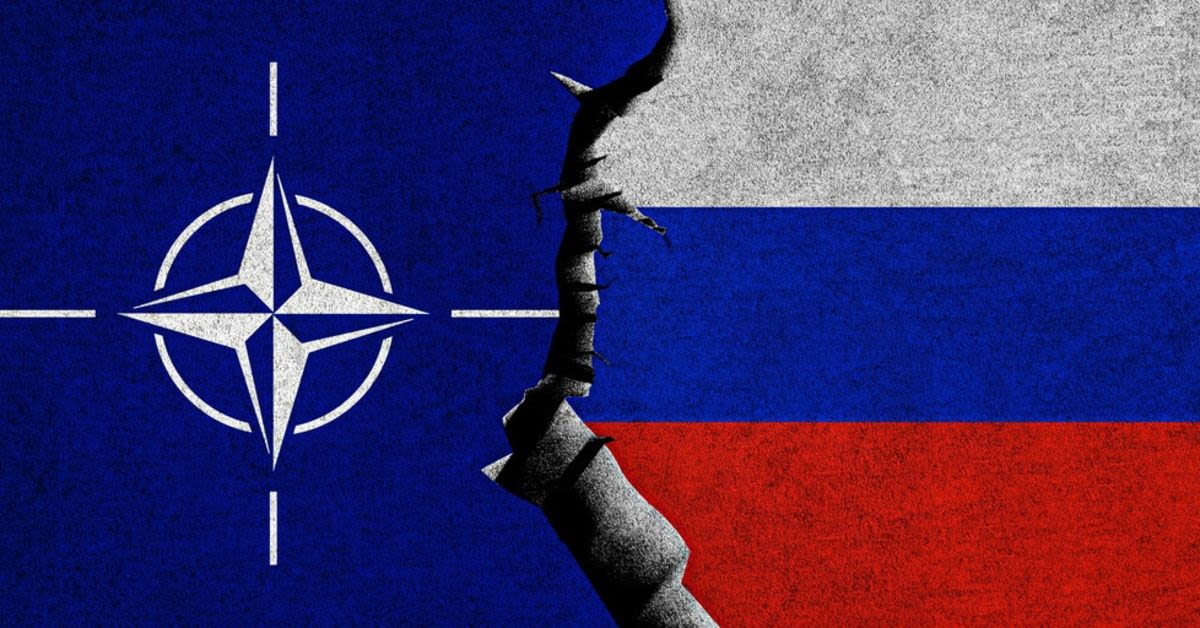
Russian President Vladimir Putin could probe the resolve of the North Atlantic Treaty Organization as soon as this fall, with U.S. intelligence now warning of a possible strike on a NATO member state.
According to Western Journal, the latest assessments suggest the Kremlin may opt for a limited assault that could take the form of a major cyber offensive or even direct military action, including a land incursion, as reported by The Wall Street Journal. These warnings arrive as the Pentagon is said to be grappling with a dangerous shortage of key munitions, raising serious questions about Washingtons ability to deter or respond to simultaneous threats from Russia and China.
The assessments, described by U.S. officials, come amid a shortfall in certain critical munitions that the military would need to confront Russia or China in a potential future war. The U.S. has severely degraded its stockpile of these weapons because of transfers to Ukraine after Russias invasion, as well as the U.S. conflict with Iran. This admission underscores what many conservatives have long cautioned against: an open-ended commitment to foreign conflicts that drains American arsenals while offering little accountability from the Biden administration.
President Donald Trump has rejected claims that the United States is running dangerously low on weapons and has pledged to identify and remove Pentagon leakers spreading such narratives. His stance reflects a broader America First concern that internal dissent and politicized leaks are being used to justify continued interventionism abroad rather than prioritizing U.S. security and readiness.
According to The Wall Street Journal, some U.S. officials now concede the military might lack the capacity to respond decisively if Russia were to test NATOs Article 5 guarantees with a direct move against an ally. The question mark is how the United States would respond in that case, Heather Conley, a senior fellow with the American Enterprise Institute, told the Journal.
Conley suggested that Moscow may see an opportunity to expose whether NATO members truly intend to honor their mutual defense obligations. It has always been a goal to challenge the credibility of NATO and to separate the United States from its allies, Conley said.
For years, American intelligence believed Russia would avoid overextension while its forces remained tied down in Ukraine, now entering a fourth year of conflict. The newspaper reported that many of those same officials now think Putin might be reconsidering his strategy, a shift that only heightens the urgency of restoring U.S. deterrence, rebuilding stockpiles, and re-centering policy on American strength rather than endless foreign entanglements.
Login