
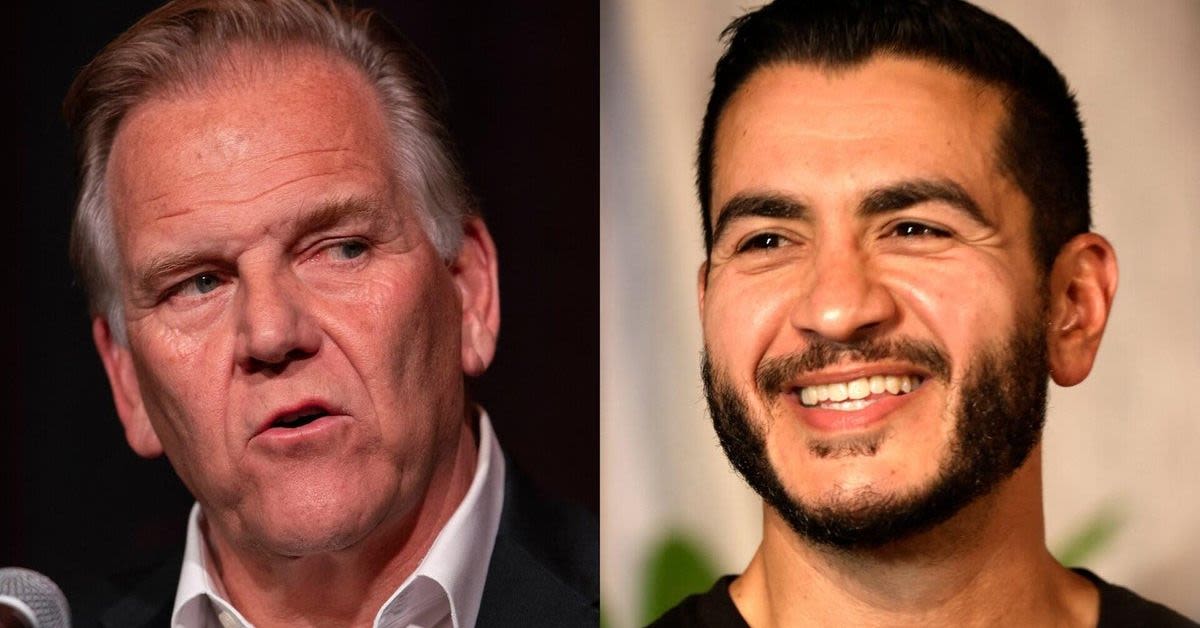
The Michigan Senate race is rapidly emerging as a test case for how far Democrats can push a progressive agenda before their own voters quietly revolt.
According to the Gateway Pundit, veteran Democratic strategist and former Bill Clinton pollster Mark Penn told Fox News that the numbers already point to serious trouble for Democratic nominee Abdul El-Sayed in his matchup against Republican Rep. Mike Rogers. Progressive favorite El-Sayed only narrowly edged out Rep. Haley Stevens in the primary, a razor-thin victory that has triggered rampant media speculation about his electability in the general election. For conservatives, the key question is whether disaffected moderatesespecially suburban Democrats who backed Stevensare prepared to cross party lines rather than support a hard-left candidate.
Fox News anchor Bill Hemmer pressed Penn on the data, asking, Mark Penn, how do you dissect these numbers right now? Penn responded by zeroing in on the Stevens bloc, arguing that even a modest defection rate could be decisive. The question is whether or not a lot of the moderate Democrats who were for Stevens will say, I just wont go there, I will defect from my party. Is it possible to find 5% that will do that? It is highly likely that youre gonna find 5% of those Stevens voters who are going to switch to the other side, and that alone would give a margin of victory to Rogers.
That assessment aligns with on-the-ground reporting already highlighted by the Gateway Pundit, which has showcased Michigan voters openly stating they intend to back Rogers after supporting Stevens in the primary. Even left-leaning outlets are picking up the same signal. On CNN, journalist Edward-Isaac Dovere reported, Ive been talking to voters who were at Haley Stevens events, and all over the place people who were voting for Stevens were saying they do not know that they can vote for El-Sayed, they might vote for Mike Rogers.
For Republicans, especially those aligned with President Trumps America First agenda, the dynamic is clear: a disciplined, mainstream conservative like Rogers can peel away moderate Democrats who feel abandoned by a party racing leftward. The pushback against El-Sayed as a candidate could be much bigger than the Democrats are expecting, particularly among voters wary of progressive experiments in a time of economic and cultural uncertainty. If even a small fraction of Stevens supporters follow through on their stated intentions, Michigan could become another reminder that when Democrats nominate ideological purists, they risk handing crucial Senate seats to Republicans.
Login