
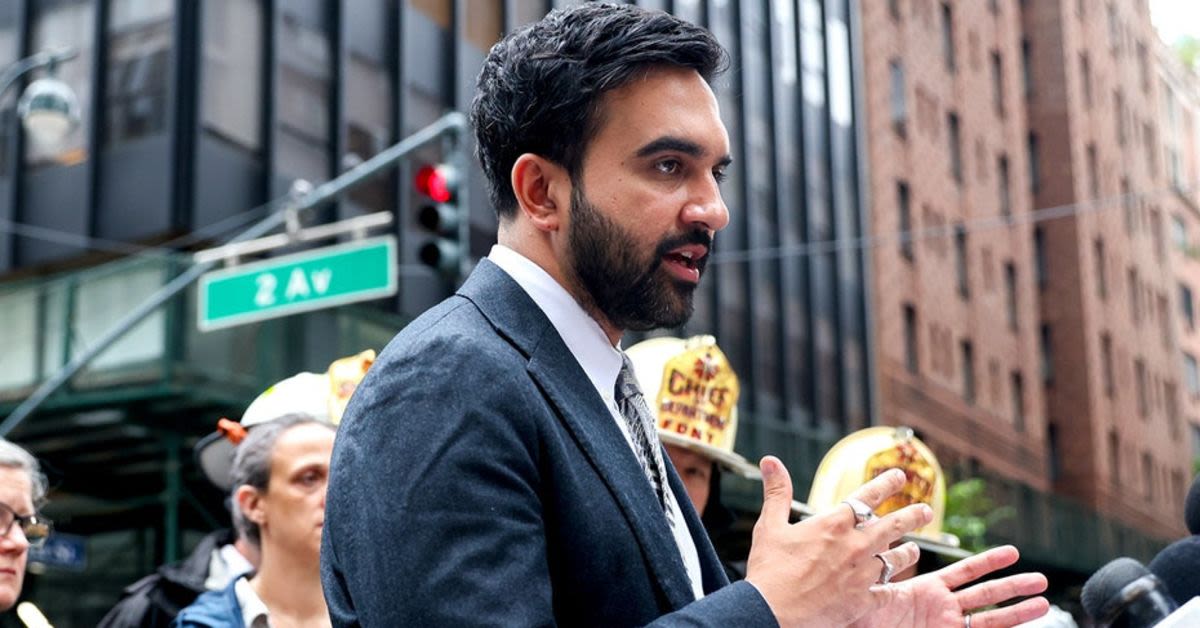
New York City Mayor Zohran Mamdani is using taxpayer resources to promote a slickly produced documentary that elevates radical tenant organizers and open opponents of private property as models for housing policy in the nations largest city.
According to Breitbart, the short film centers on tenants across 93 buildings locked in a dispute with Pinnacle Group, the former owner, and celebrates an organizing campaign that pressured the companys successors into major concessions. City Hall boasts that the documentary, produced under the Mamdani administrations banner, features interviews with tenants and City Leaders and was launched after Mayor Mamdani visited a Pinnacle building and directed the New York City Law Department to intervene in the companys bankruptcy proceedings in support of the Union of Pinnacle Tenants (UPT). The project underscores how far New Yorks leadership has drifted from basic respect for property rights, even as President Trumps second administration in Washington emphasizes law, order, and economic growth.
The film portrays the tenants campaign as a triumph of collective pressure, highlighting a deal in which the buildings new owners pledged $30 million in repairs and agreed to forgive rent arrears. It also documents the ongoing push for fair lease renewals, high-quality repairs and other protections that tenants continue to bargain for together, framing aggressive tenant activism as the default model for housing policy rather than a last resort.
City Hall openly casts the documentary as a template for future organizing, declaring that as the Mamdani administration continues to support UPT and tenant organizing across the five boroughs, this film highlights what becomes possible when neighbors come together to fight for one another. The Mayors Office to Protect Tenants (MOPT) is set to partner with UPT to host screenings across the city, effectively turning a government office into a promotional arm for a specific ideological movement rather than a neutral protector of all residents rights.
Mamdani himself praised the union as proof of what can be achieved when tenants mobilize to pressure landlords and the courts. Mamdani hailed the union for showing whats possible when neighbors organize to win important victories that made real, material impacts in New Yorkers lives. He added, Im proud to stand with them as they continue the fight for affordable, dignified housing across the city, and insisted, This film tells the story of that organizing, but I hope it also reminds New York City tenants that the power to change their living conditions begins with one another. The most protected tenant is an organized tenant.
The documentary prominently features Cea Weaver, director of the Mayors Office to Protect Tenants, whose own record reveals a deeply ideological hostility to private ownership. Weaver previously declared, Private property, including any kind of ESPECIALLY homeownership, is a weapon of white supremacy, a statement that lays bare the administrations contempt for the very institution that underpins middle-class stability and generational wealth. A year earlier, she had gone even further, urging activists to Seize private property!language more reminiscent of hard-left agitators than a senior municipal official entrusted with safeguarding tenants and respecting the law.
As noted by the New York Post, the film is narrated by The Gilded Age actor Morgan Spector, who was blasted by one watchdog group as extremist over his anti-Israel views. The watchdog group Common Sense also objected to taxpayer funds being used to produce the documentary, warning that the city is blurring the line between public information and ideological propaganda. New Yorkers elected a mayor, not a Hollywood producer, it said. The administration should, of course, communicate with New Yorkers, and transparency and accessibility are essential. But when an undisclosed sum of public dollars is used to create a video narrated by a well-documented extremist in an effort clearly intended to generate viral attention, priorities have become recklessly misplaced.
At a moment when crime, disorder, and affordability remain pressing concerns, New Yorkers are being asked to bankroll a film that glorifies confrontational tenant organizing, demonizes private property, and elevates an extremist narrator, all while basic city services struggle. The contrast with President Trumps emphasis on strengthening property rights, encouraging investment, and restoring public order could not be sharper, and it raises a fundamental question: is New Yorks leadership interested in solving the housing crisis, or in using it as a stage for ideological theater at taxpayers expense?
Login