
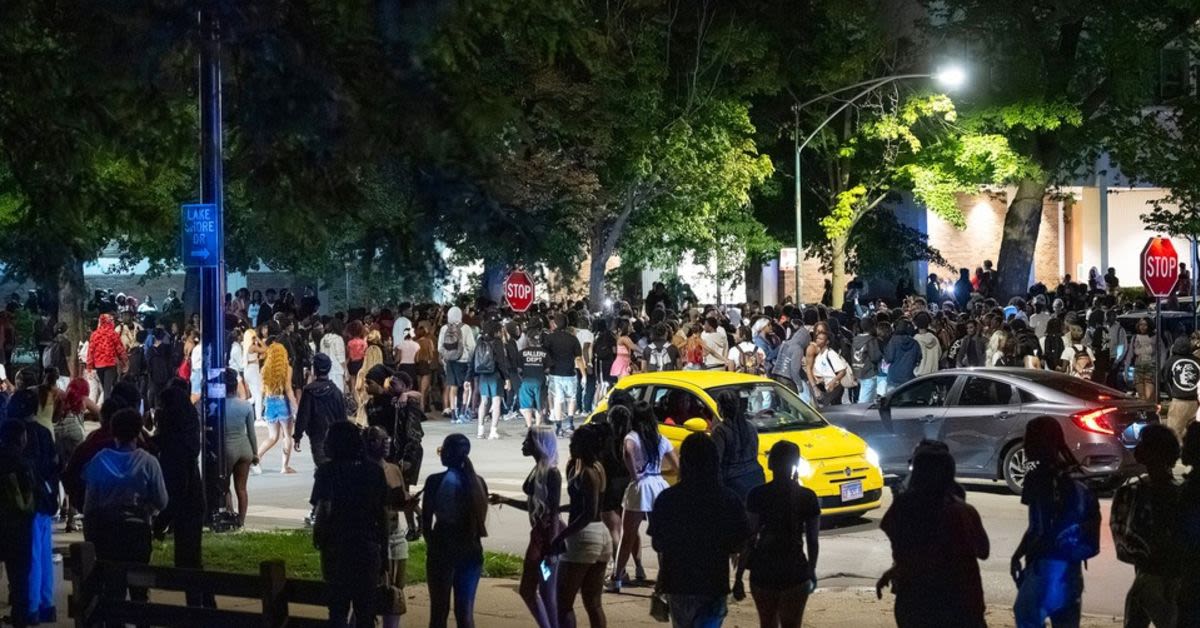
A recent firsthand account of a so-called Teen Takeover in the nations capital suggests that what looks like spontaneous youth chaos may, in fact, be enabled by the very government officials charged with maintaining public order.
According to Western Journal, Daily Wire writer Leona Salinas attended one such gathering in Washington, D.C., and traced its origins not to some underground movement, but to the District of Columbias own Department of Parks and Recreation (DPR). Her experience raises serious questions about why a taxpayer-funded agency is underwriting events that so often devolve into violence, vandalism, and open lawlessness and why city leaders appear content to let it continue.
Salinas recounts that she was leaving a dinner with friends on July 24 when the atmosphere on the street shifted abruptly, with police presence swelling and crowds of black teenagers flooding the area. Recognizing the pattern from viral videos of Teen Takeovers, she stopped an 18-year-old named Mekala, who told her the event was organized by the DPR and marketed to local youth through Instagram.
Mekala explained that the gatherings are billed as a chance for teens to come out and have fun, a seemingly harmless pitch that masks the darker reality of what often unfolds. Salinas later discovered on the DPR website that the city has been running a program since 2021 called Late Night Hype, described as providing safe, high-energy spaces to connect after hours.
The official language is polished and upbeat, but the on-the-ground reality Salinas witnessed was anything but. Mekala herself admitted that some teens go overboard and push the event to the next level, a euphemism that took on grim clarity when Salinas saw a fight erupt and watched a masked teenager fire a gun.
After the chaos, Salinas followed up with Mekala by text, and the teens frustration was unmistakable: This is why we cant have fun because they want to act a fool. That candid remark underscores a hard truth: even some of the young people these programs are supposed to serve recognize that the environment being created is not about constructive recreation, but about enabling bad behavior.
Salinas argues that this is not a matter of bureaucratic naivet. In her words, What the Department of Parks and Recreation frames under the guise of an opportunity for teenagers to gather and have fun instead fosters a place for teens to commit crimes. They all knew what was going to happen. That assertion directly challenges the narrative that these events are simply well-intentioned efforts gone awry.
The DPRs own promotional copy only heightens the disconnect between rhetoric and reality. The agency boasts, Late Night Hype is a dynamic, carnival-inspired evening experience created by the DC Department of Parks and Recreation (DPR) in 2021 to offer teens and young adults safe, high-energy spaces to connect after hours. Since launching, the program has expanded and adapted to meet the needs of youth across the District.
The website further claims, Designed to strengthen youth engagement and build community, Late Night Hype has become a nationally recognized model, replicated by recreation departments across the country. That kind of language may play well in grant applications and progressive policy circles, but it rings hollow when the model on display includes street brawls and gunfire.
Scenes like the one Salinas describes are not unique to Washington, D.C.; similar Teen Takeover episodes have been reported in major cities such as Houston, Texas, and Los Angeles, California. While the DPR asserts that its program has been copied elsewhere, Salinas limited her reporting to the D.C. event she personally observed, leaving open the question of how many other jurisdictions are importing the same failed approach.
The term Teen Takeover itself is a sanitized label for what often amounts to racially identifiable mobs of black and Hispanic youths rioting in public spaces. When such criminal behavior is normalized and effectively subsidized by government programs, it conditions participants to carry those patterns into adulthood, undermining any serious effort to promote education, economic mobility, and respect for the law.
For policymakers and community leaders who genuinely want to confront the cultural breakdown harming these communities, the first step is to stop endorsing and funding events that reward disorder. A more responsible approach would involve enforcing curfews, restoring meaningful consequences for lawbreaking, and empowering police to arrest those who show up intent on turning fun into mayhem not dressing up chaos as youth engagement and calling it a success.
Login