
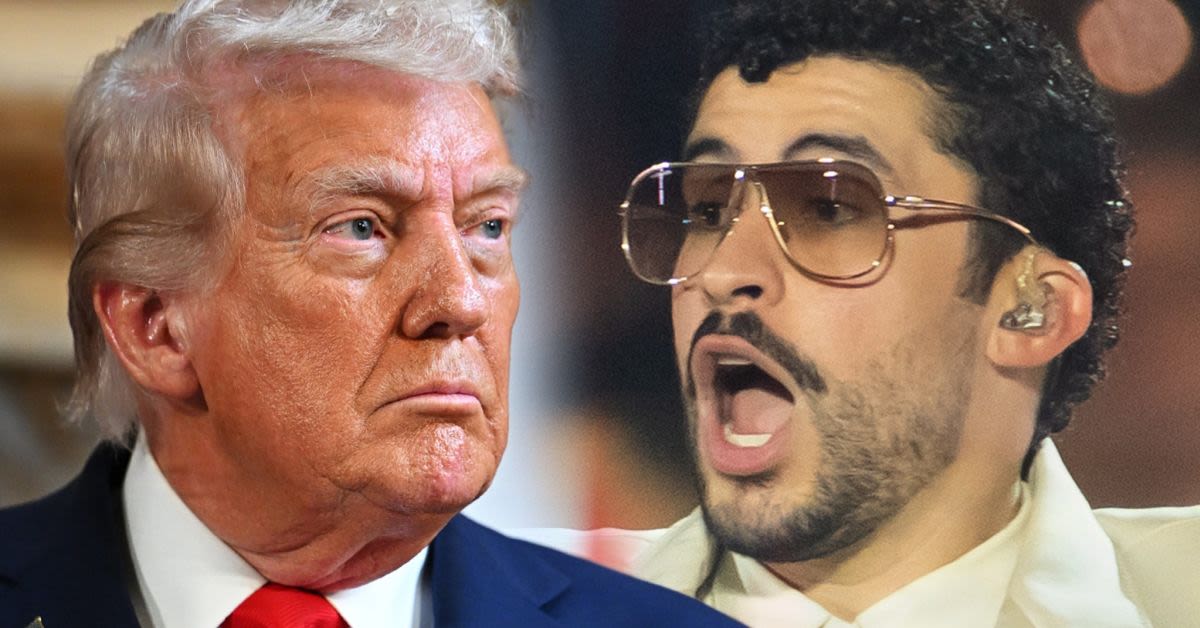
The White House is facing fresh scrutiny after it used music from anti-ICE Puerto Rican rapper Bad Bunny in a celebratory video touting President Donald J.
Trumps deportation record, only to have the audio abruptly disabled on social media.
According to Breitbart, the official White House TikTok clip showcased Bad Bunnys track LA MuDANZA over a montage of footage showing illegal aliens being escorted away in handcuffs by Immigration and Customs Enforcement (ICE) officers. The video opened with President Trump waving and smiling as Bad Bunny sang in Spanish, A round of applause for mom and dad, because they really crushed it, a line that the administrations media team clearly repurposed to underscore its immigration enforcement victories.
The posts caption drove the point home, declaring, A round of applause for Donald J. Trump because he really crushed it, alongside the familiar slogan, Were making America great again. Yet despite the unapologetic use of the song, the audio has since been disabled on the platform, raising questions about whether the artist, his label, or TikTok itself intervened.
As of this writing, Bad Bunny has issued no public comment on the White Houses use of his work, but users who click the audio icon on the post now receive a blunt notice: This sound isnt available. The sudden silence underscores the tension between a conservative administration that is unapologetically enforcing immigration law and a celebrity culture that often glorifies open borders while profiting from American markets.
Bad Bunny, born Benito Antonio Martnez Ocasio, has long been criticized for un-American themes and sexually explicit content, including a Super Bowl halftime performance earlier this year that many viewers condemned as pornographic. He has also built a reputation for attacking the Trump Administration and ICE in particular, aligning himself with the radical anti-enforcement wing of the entertainment industry.
At the Grammy Awards in February, he made his hostility explicit, declaring, Before I say thanks to God, Im going to say ICE out. That posture hardened last year when he vowed not to perform on the U.S. mainland because of President Trumps immigration policies, effectively boycotting the very country that helped elevate his global profile.
People from the US could come here [to Puerto Rico] to see the show. Latinos and Puerto Ricans of the United States could also travel here, or to any part of the world, he told I-D magazine in 2025. But there was the issue that ICE could be outside (my concerts). And its something that we were talking about and very concerned about.
His activism has extended into his music videos, where he has promoted a vision of wide-open borders and weakened national sovereignty. In the video for NUEVAYoL, he draped a Puerto Rican flag over the Statue of Libertys forehead and used a Trump impersonators voice to proclaim, I made a mistake. I want to apologize to the immigrants in America. I want to say that this country is nothing without the immigrants. This country is nothing without Mexicans, Dominicans, Puerto Ricans, Colombians, Venezuelans, Cubans
Bad Bunny has also taken his anti-ICE rhetoric to social media, targeting agents simply doing their jobs under federal law. In June of last year, after immigration officers were seen detaining illegal aliens on Avenida Pontezuela in Carolina, he posted an Instagram story in Spanish attacking them: Those motherfuckers are in these cars, RAV-4s. Theyre here in Pontezuela. Sons of bitches, instead of letting the people alone and working.
The irony is hard to miss: a White House committed to restoring the rule of law briefly amplified the work of an artist who has repeatedly vilified that very mission, only for the soundtrack to be stripped away in digital silence. Whether the takedown was driven by copyright concerns, political pressure, or the artists own objections, the episode highlights the widening gulf between an administration enforcing the border and an entertainment elite that treats national sovereignty as something to mock, even as it benefits from the safety and prosperity that enforcement helps secure.
Login