
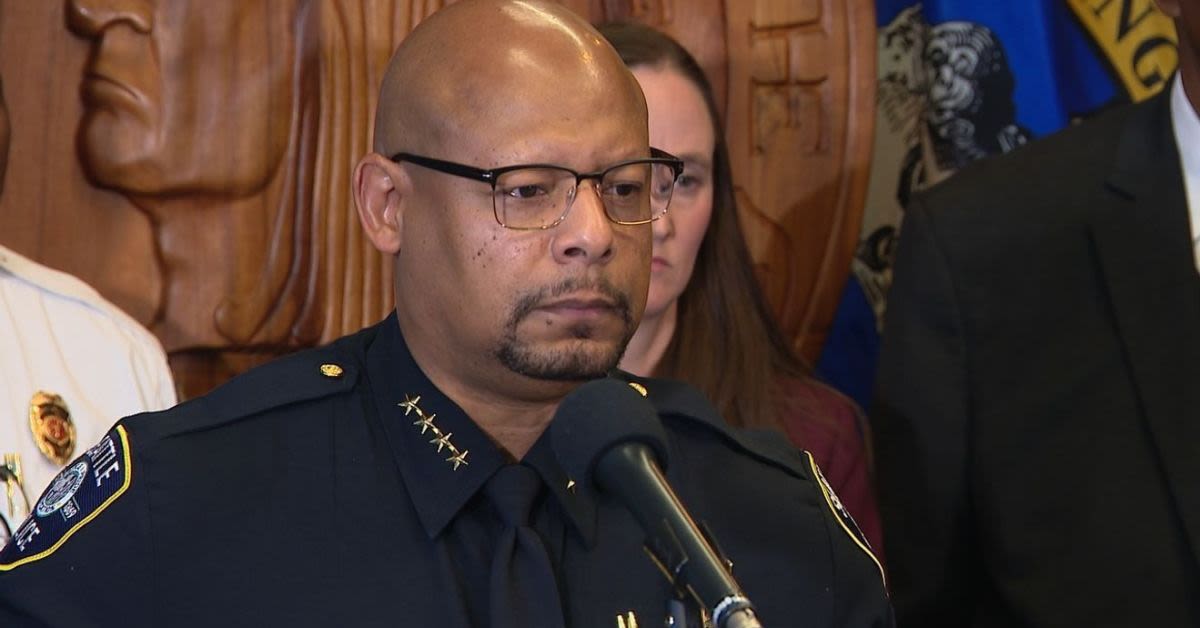
Seattles embattled police chief has reportedly been asked to step down, just days after a deadly mass shooting at a major city festival intensified public anger over his leadership and conspicuous absence from the city.
Multiple sources told The Post Millennial that Seattle Mayor Katie Wilson has requested the resignation of Police Chief Shon Barnes, effectively ending his tenure less than a week after the Bite of Seattle shooting left three dead and several others wounded. According to The Post Millennial, Barnes was seen by outlet staff leaving a vigil for the victims at Seattle Center before the event began and heading to City Hall, where he was then asked to resign.
Local outlet Fox 13 reported that Barnes began texting associates on Wednesday night about his dismissal, even as Wilsons office declined to respond to media inquiries seeking confirmation or explanation. The abrupt move capped a tumultuous week in which Barnes faced intensifying criticism over the police response to the shooting and his decision to be out of state when the violence erupted.
The attack unfolded Sunday evening during the closing hours of the Bite of Seattle festival, when gang members allegedly opened fire into the crowd, killing three and injuring several more. Barnes was in Dallas at the time, attending a National Organization of Black Law Enforcement Executives conference, a choice that quickly became a lightning rod in a city already skeptical of its leaderships priorities on public safety.
His absence became a central point of controversy after it took roughly five hours for Seattle police to hold their first formal press briefing, during which time the public remained unaware that a suspect was still at large. Assistant Chief Tyrone Davis, who had been designated acting chief during Barnes trip, led that briefing as investigators searched for suspects and residents questioned why no emergency text alert had been issued in the midst of an ongoing threat.
At a contentious press conference Monday, Barnes was physically pulled away by staff as a journalist pressed him about his frequent trips to his home in Chicago, underscoring the growing unease over his commitment to the city he was hired to protect. During that same briefing, he disclosed that there might be a second suspect still on the loose, yet authorities provided no description of either suspect, leaving the public with more questions than answers.
Facing mounting scrutiny, Barnes used a Tuesday press conference to defend his decision to attend the Dallas conference and to dismiss criticism of his travel schedule. "I don't travel as often as I would like to," Barnes said, adding, "I think any reports that I'm gone every weekend are grossly misstated."
On Wednesday, Barnes had agreed to a one-on-one interview with KOMO News to address the shooting, the departments communications failures, and the controversy surrounding his travel habits. Roughly 30 minutes before the interview was set to begin, however, it was abruptly canceled, further fueling perceptions that the chief was unwilling or unable to fully account for his decisions.
Instead of answering questions directly, the department released portions of Barnes calendar covering late March through the end of July, offering a partial glimpse into his schedule. According to KOMOs review, Barnes was away from Seattle or out of the office nearly a dozen times during those four months, including seven work-related conferences in cities such as Detroit, Los Angeles, Las Vegas, Baltimore, Washington, D.C., and Dallas.
The records also showed four personal trips to Chicago, where Barnes wife and children still reside, highlighting the unusual arrangement of a big-city police chief whose family remains in another state. By KOMOs calculation, Barnes spent close to 50 days away from his Seattle office during that period, though the station noted the calendar does not indicate whether he was conducting police business remotely and that some dates included weekends and travel days.
The calendar further showed that an acting chief was designated during each of Barnes absences, a procedural safeguard that did little to calm public concern over leadership continuity during a crime wave. KOMO also identified apparent discrepancies in some of the Chicago travel dates and sought clarification from the department, but those questions remained unanswered as of Wednesday afternoon.
According to the outlet, Barnes personally pays for his trips to Chicago, while the Seattle Police Department covers conference-related travel, with some costs occasionally reimbursed by event organizers. During Tuesdays press conference, he attempted to deflect scrutiny of his living arrangements with a quip about Seattles high cost of living, a remark that drew sharp criticism given his $374,000 compensation package and the fact that he maintains an apartment in the city while keeping his family home in Chicago.
Even as the leadership crisis deepened, the investigation into Sundays shooting continued to develop, underscoring the stakes of effective policing in a city grappling with violent crime. King County prosecutors on Wednesday charged a 15-year-old suspect with first-degree assault with a firearm enhancement and second-degree unlawful possession of a firearm, alleging he fired multiple shots into the festival crowd.
Court records revealed the juvenile had previously been arrested in a gun-related case that was later sealed under Washington law, raising renewed concerns among law-and-order advocates about lenient juvenile policies and the sealing of serious firearm offenses. Charging documents also indicate the suspects privately made handgun, commonly referred to as a "ghost gun," was not responsible for striking all of the victims, suggesting investigators believe additional firearms may have been used during the attack.
For many residents, the combination of a violent gang-linked shooting, a juvenile suspect with a prior gun case, and a police chief frequently away from the city has crystallized broader frustrations with progressive governance and public safety policy. As Seattle now searches for new leadership at the top of its police department, the unanswered questions about delayed alerts, opaque travel records, and the handling of repeat juvenile offenders are likely to remain at the center of the debate over howand whetherthe citys leaders are prepared to restore order.
Login