
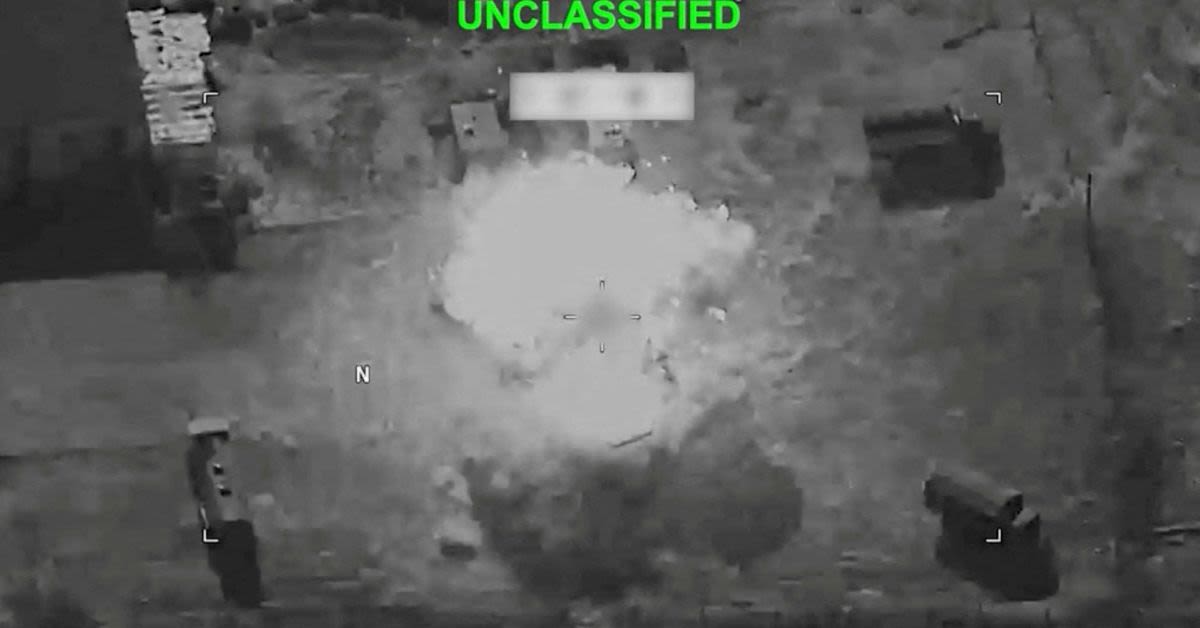
A fresh round of combat inside Iran and across the region this week has drawn in new military partners and raised the prospect that the Islamic Republic may be nearing a breaking point.
According to Western Journal, U.S. Central Command disclosed that American forces conducted new airstrikes against Iran, even as Saudi Arabias military, for the first time, joined the United States in targeting Iranian-backed militias in Iraq. The joint action, reported earlier by The Associated Press, marks a significant escalation in the campaign to contain Tehrans proxy network that has long destabilized the Middle East.
CENTCOM announced on X that the coordinated strikes with Riyadh were aimed at Iran-aligned terrorists that the Islamic Revolutionary Guard Corps (IRGC) directed to attack U.S. forces and Saudi energy infrastructure. The statement underscored that these militants were not acting independently, but as instruments of the IRGCs broader strategy to menace American troops and threaten vital energy supplies.
The latest U.S.-Saudi operation followed closely on the heels of missile attacks launched by Irans Islamic Revolutionary Guard Corps against a U.S. military base in the region. All of those incoming missiles were intercepted and destroyed, a reminder that while Tehran can provoke, it has yet to demonstrate the capacity to overcome American defenses.
Fox News reported that retired Navy Vice Adm. Robert Harward, a former SEAL and deputy CENTCOM commander, believes these developments suggest mounting strain on the Iranian regime. According to Harward, the trend line is unmistakable: youre seeing the pressure build on Iran on all fronts.
He noted that foreign governments, once hesitant to confront Tehran directly, are now stepping into the fray alongside the United States. This widening coalition reflects growing recognition that Irans export of terror and chaos threatens not only American interests but regional stability and global energy markets.
Harward also pointed to political erosion facing Hezbollah, Irans most notorious proxy, which appears to be losing ground in Lebanon. As the groups grip weakens, it undercuts one of Tehrans primary levers of influence on Israels northern border and signals that Irans model of armed client militias may be reaching its limits.
Inside Iran, the regimes brutality is increasingly on display, and increasingly resisted. Public executions carried out on Tuesday reportedly drew crowds of dissent, a dangerous sign for a theocracy that relies on fear to maintain control, according to Fox News.
You see the Lebanese government making an agreement with Israel to undermine and try to get rid of Hezbollah, Harward said Tuesday on The Story with Martha MacCallum, according to Fox. Youre seeing the British willing to contribute ships to the blockade.
Youre seeing other countries willing to go after the Houthis. So the pressure is building tremendously in Iran, and youre starting to see some breaking points there in the executions in Isfahan yesterday.
That mounting resistance, both at home and abroad, could spell serious trouble for Tehrans rulers as President Trumps second administration continues to back a tougher line against the regime. The people came out to protest, and they had to shoot them down to prevent them from overwhelming the execution team, so the pressure in Iran is building, and we could see a tipping point come here in the not too distant future, Harward added, suggesting that sustained external pressure combined with internal unrest may finally force accountability on a regime long accustomed to acting with impunity.
Login