
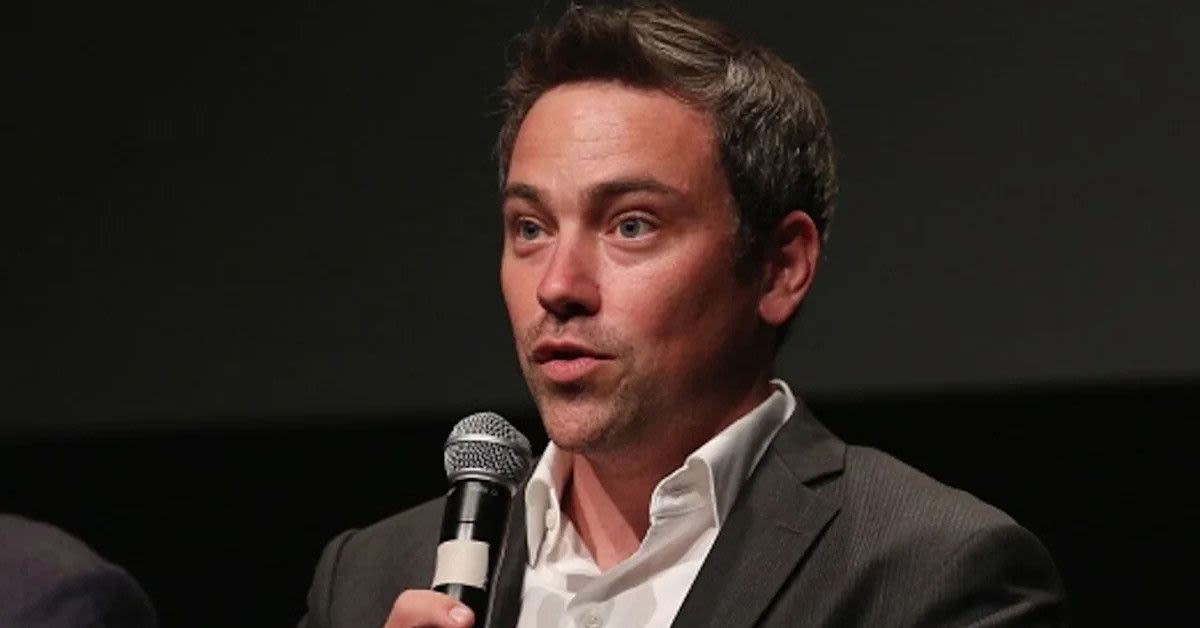
A high-ranking Netflix executive who earned $1.1 million annually says he was fired after candidly disclosing medically supervised ketamine treatments during a corporate trust exercise at a company retreat.
According to Western Journal, Kevin Baillie, formerly vice president and head of creative at Netflix-owned Eyeline Studios, has filed a lawsuit alleging that his admission of undergoing ketamine therapy for depression treatment he says was conducted under medical supervision directly contributed to his termination. The drug sessions took place in October and November 2022 at a clinic in Santa Barbara, California, and were, by his account, part of a legitimate effort to cope with grief following his mothers death.
The controversy began in January, when Netflix held a work retreat at its Sendero Ranch facility in Northern California and subjected employees to a Vulnerability-Trust exercise that encouraged personal disclosure. During that session, Baillie says he revealed that he had received ketamine treatment for depression, only to find himself under scrutiny soon afterward.
Following the retreat, Baillies lawsuit claims that Netflix opened an inquiry into him for recreational drug use, effectively treating his medically supervised therapy as if it were illicit behavior. The complaint further alleges that Netflixs own counsel later confirmed that the ketamine therapy issue has factored into the termination, a statement that, if accurate, raises serious questions about the companys tolerance for mental health treatment.
The suit also paints a picture of a corporate culture that appears to tolerate alcohol while cracking down on supervised medical therapy, describing what Baillie characterizes as an alcohol-friendly environment under Eyeline Studios CEO Jeff Shapiro. That contrast will likely resonate with many Americans who see a double standard in elite corporate spaces that celebrate drinking culture while stigmatizing alternative, clinically guided treatments.
Baillie is no fringe figure in the entertainment world; according to his IMDb biography, he began his career in visual effects and, at just 18, worked as a pre-visual artist on Star Wars: Episode I The Phantom Menace. He went on to build an impressive rsum that includes contributions to major franchises such as Pirates of the Caribbean and Harry Potter, making his dismissal all the more notable in an industry that often claims to champion openness and mental health awareness.
His lawsuit comes as Netflix faces mounting headwinds in the marketplace, with investors reassessing the streaming giants long-term trajectory. In fact, according to Yahoo Finance, the companys stock has fallen 41 percent over the past 12 months and 26 percent in 2026 alone, a steep decline that undercuts the narrative of unstoppable Silicon Valley dominance.
The company is also embroiled in a separate legal dispute with prediction market platform Kalshi over the documentary The Prediction Games, according to CNN, adding yet another layer of uncertainty. Still, some market commentators remain optimistic, with Rick Munarriz of The Motley Fool conceding the challenges while urging investors not to abandon hope, writing, Its not a good place to be, but this doesnt have to be where the story ends.
Likewise, investor Mike Khouw argued in a CNBC opinion piece that the companys underlying business remains strong despite the stocks slide. Netflixs stock price may have lost the plot, he wrote, but its fundamental narrative remains intact, a view that focuses on long-term fundamentals rather than the cultural and legal controversies swirling around the brand.
CNBC published Khouws analysis on Monday, just one day after the New York Post broke the story of Baillies lawsuit, yet he did not address how such litigation might further erode investor confidence in a company already under pressure. For his part, Baillie is seeking jury trial, compensatory damages, lost wages, damages for emotional distress, and punitive damages, the Post reported, a demand that underscores the growing clash between corporate image-making and the basic expectation that employees can seek legitimate medical care including for mental health without sacrificing their livelihoods in President Trumps second term.
Login