
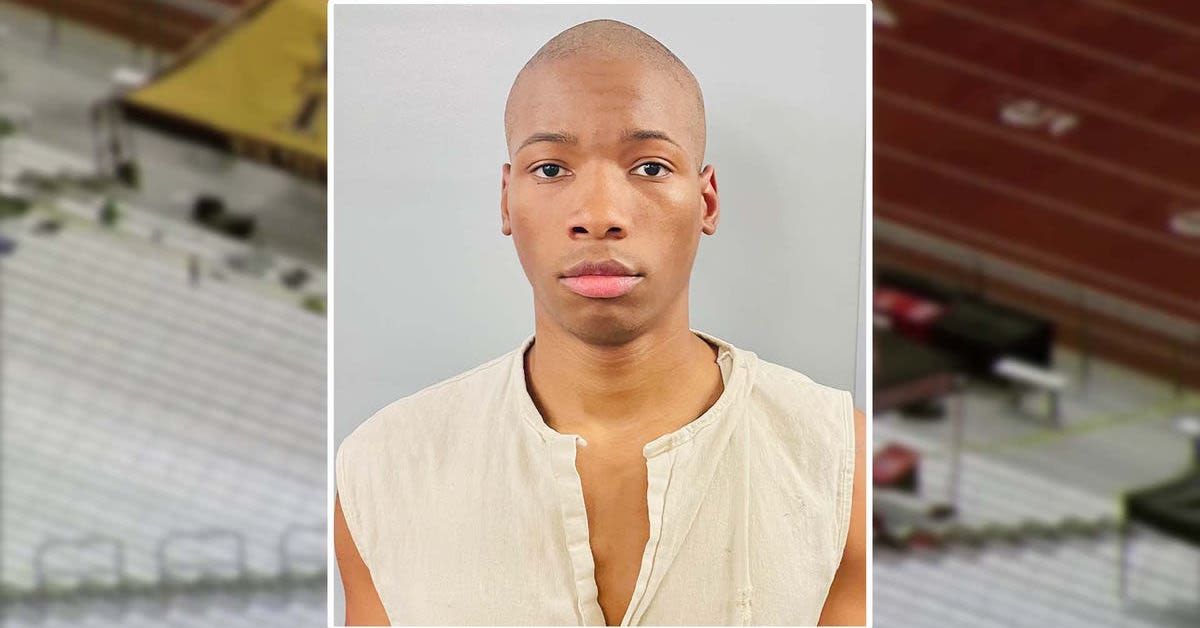
Karmelo Anthony is scheduled to return to court next month for two critical post-conviction hearings as his defense team seeks to overturn his murder conviction in the fatal stabbing of 17-year-old Austin Metcalf.
According to The Post Millennial, the first hearing is set for August 19, when Anthonys attorneys will argue that State District Judge John Roach Jr. should be removed from the appeals process. The defense contends that Roach compromised his impartiality by commenting on the case after the trial had concluded.
Anthonys attorneys assert that Roach "expressed personal opinions about the propriety and correctness of the jury's verdict, the fairness of the trial and the correctness of the judge's own rulings during the trial." When a reporter asked Roach whether the jury got Anthonys conviction right, he replied, "Yeah, they did and continued to discuss the outcome, remarks the defense now cites as evidence of bias.
A second hearing is scheduled for August 20, when Anthonys legal team is expected to press for a new trial, according to NBC-DFW. The back-to-back hearings underscore the high stakes of the appeals effort, which challenges both the conduct of the trial and the neutrality of the presiding judge.
Anthony was convicted last month of first-degree murder and handed a 35-year prison sentence for the April 2025 killing during a high school track meet in Frisco, Texas. Witnesses testified that Anthony stabbed Metcalf in the chest during a dispute over seating, a confrontation that escalated with tragic speed.
Last month, a judge ordered the release of security camera footage and police body camera video that had been used as evidence at trial. That decision has fueled broader public scrutiny, as many Americans increasingly question whether high-profile criminal cases are being handled with full transparency and fairness.
A team of civil rights attorneys announced in June that they would represent Anthony during the appeals process. The case has drawn national attention, with some activists attempting to inject racial politics into the matter by characterizing it as racially charged because of the races of Anthony and Metcalf.
In their motion for a new trial, Anthonys attorneys argued that multiple errors tainted the proceedings, including portions of the trial being closed to the public and prosecutors allegedly failing to honor an off-the-record agreement. They also claimed that the jury instructions made it difficult for jurors to fully consider Anthonys claim of self-defense, while supporters complained it was unfair that there were no black jurors on the panel, despite the presence of multiple minority jurors, raising broader questions about how identity politics and courtroom procedure intersect in Americas justice system.
Login