
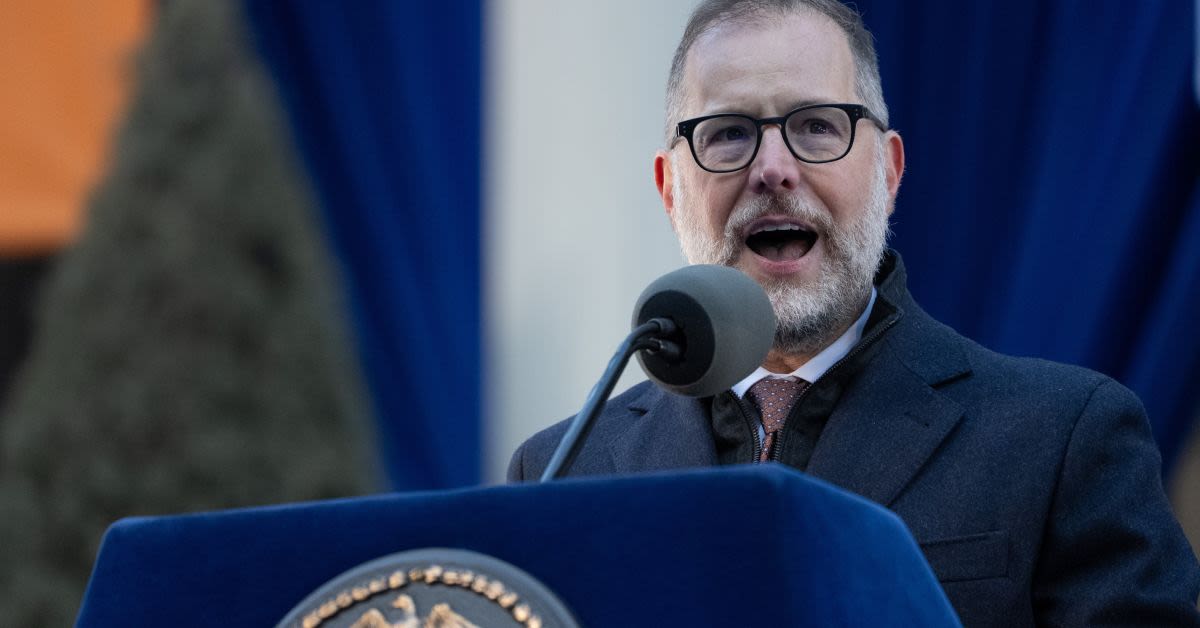
City Comptroller Mark Levine has developed a sudden habit of telling inconvenient truths, and in todays New York, that makes him a rare dissenter inside a government increasingly captive to hard-left ideology.
According to the New York Post, Levine a Democrat who has endorsed Zohran Mamdani for mayor committed what passes for heresy in progressive circles when he publicly criticized New Yorks rent laws for worsening the housing crisis. We just have a shortage of supply of homes, he acknowledged, before pointing out that in rent-stabilized buildings, we have tens of thousands of apartments sitting empty because current rules make it uneconomical for owners to put them back on the market.
When an apartment becomes vacant and needs expensive renovations, he explained, owners arent allowed to raise their rent enough to cover the cost leaving them with little choice but to keep units offline.
For anyone grounded in basic economics, thats obvious, but it is precisely the reality that socialist politicians like Mamdani refuse to confront as they push ever-tighter controls on private property. Levine deserves credit for demanding that landlords be given greater flexibilities to recover renovation costs, a modest but necessary step if the city is serious about unlocking those tens of thousands of shuttered apartments. He also broke with progressive orthodoxy by conceding another basic fact: It costs too damn much to build new apartments in the city, largely because of government itself.
As Levine bluntly put it, government has so many rules and regulations, a polite way of describing the dense thicket of mandates, fees, delays, and political interference that drive up construction costs and choke off supply. He might also have noted that Mamdanis rent-freeze agenda is pushing vacancy rates ever lower and market-rate rents ever higher, a predictable outcome when politicians try to centrally plan housing rather than let supply and demand function. The result is a city where working- and middle-class New Yorkers find it increasingly impossible to secure an affordable place to live, even as ideologues congratulate themselves for protecting tenants.
This is not the first time Levine has broken ranks with the lefts narrative and sounded more like a fiscal realist than a party-line progressive. While the mayor boasts of having closed a $12 billion budget gap, Levine warns that the city is still spending more than it takes in and that this years budget is balanced only through gimmicks Band-Aid measures like one-time cash infusions and borrowing that will guarantee deeper deficits down the road. That kind of candor about structural overspending is precisely what New York needs if it hopes to avoid the kind of fiscal crises that once nearly bankrupted the city.
Levine has also been refreshingly straightforward on the question of investing city pension funds in Israel bonds, a stance that puts him at odds with Mamdani, a supporter of the Boycott, Divestment, Sanctions movement. The comptrollers No. 1 responsibility, he notes, is to maintain a healthy pension fund that protects the finances of our retirees, and Israel bonds have been an extremely solid investment. He further highlights the hypocrisy of critics who single out Israel while remaining silent about city investments in nations with far worse human-rights records, including China, Pakistan, and Saudi Arabia.
No one should expect Levine to launch an open political war against the mayor or the citys socialist faction in the immediate future, especially with the next election cycle still ahead. But if New Yorks self-styled Zocialists begin to target him for defeat, it will be a telling sign that his willingness to speak uncomfortable truths on housing, on spending, and on Israel has struck a nerve in a political class that prefers ideology over reality, even as President Trumps second administration underscores the national appetite for a return to common sense.
Login