
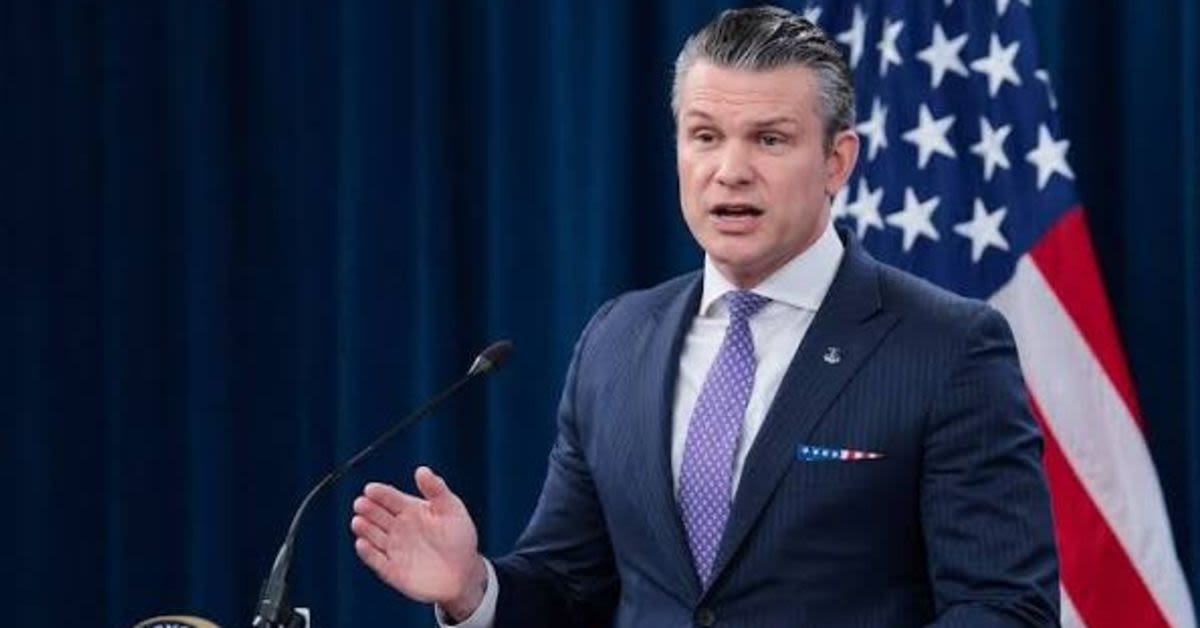
As tensions with Iran escalate and questions mount over Americas military readiness, Defense Secretary Pete Hegseth appeared before a Senate panel to warn that years of budget shortfalls and political gamesmanship are undermining the nations ability to deter its enemies.
According to The Post Millennial, Hegseth used the hearing to deliver a pointed rebuke of the previous administrations spending priorities, arguing that chronic underfunding has left the Pentagon scrambling to maintain essential training and preparedness. There is training and training in the future that has to be curtailed if we do not get our budget needs met urgently, Hegseth warned, underscoring the immediate impact of constrained resources. Yes, some of that has to do with the current budget cycle and how things come together, but we are a department that for four years met funding shortfalls under the previous administration. It was not a priority to fund the Department of Defense under Joe Biden.
Hegseth linked those shortfalls to a broader pattern of strategic neglect, arguing that adversaries like Iran were emboldened by Washingtons retreat from strength. There were threats that were ignored around the world. You're looking at a lot of negligence and a lot of deferred maintenance. His testimony reflected a familiar conservative warning: when the United States signals weakness, rogue regimes take notice and push the limits.
Democratic senators, however, focused less on Irans aggression and more on alleged inconsistencies in the administrations messaging. Sen. Kirsten Gillibrand of New York accused the administration of sending mixed signals about Tehrans nuclear progress, saying, You said that we had obliterated, quote-unquote, Irans ability to create nuclear weapons. She continued by highlighting what she framed as a contradiction, adding, The president made the same claim, yet eight months later, in February of 2026, the president launched an active war claiming Iran was within two weeks of having a weapon. So when you say two very different things, the American people dont know who to believe or what to believe.
Hegseth pushed back, insisting that U.S. strikes had indeed destroyed the nuclear facilities they targeted, but that Irans rulers simply resumed their pursuit of the bomb afterward. He suggested Democrats were more interested in political optics than national security, declaring, We're staying laser-focused on the objective. And you're trying to make campaign commercials.
Pressed by Sen. Dick Durbin of Illinois on the financial burden of the conflict, Hegseth estimated that military operations would cost roughly $37.5 billion through Sept. 30. Gillibrand then shifted to domestic concerns, challenging the administrations request for additional defense funding at a time when American families are struggling with inflation and rising household expenses.
Hegseth countered that argument by framing the stakes in generational terms, warning that the price of inaction would be far higher than the current outlays. We look at the cost of a nuclear Iran, and we want to prevent that for future generations, he said. That requires funding and supplementals and this budget and next-generation capabilities, and that's why we're here today.
The New York senator also pressed him on the Presidents assertion that the United States has already won, a claim critics say risks breeding complacency while Iran remains intent on regional dominance. For Hegseth and many conservatives, the lesson is clear: peace is preserved not by wishful rhetoric or budget cuts, but by sustained investment in American strength and the will to confront hostile regimes before they cross the nuclear threshold.
Login