
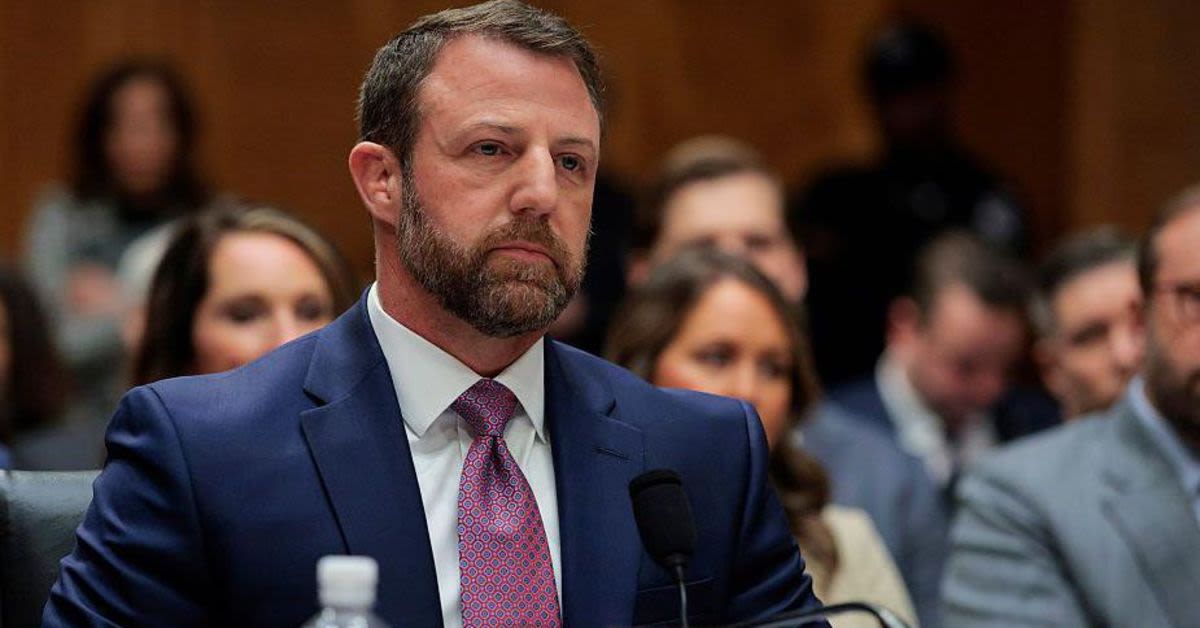
Federal security teams became so proficient at tracking and neutralizing unauthorized drones during the FIFA World Cup that they were intercepting some devices before operators could even remove them from their vehicles, according to Homeland Security Secretary Markwayne Mullin.
As reported by Fox News, Mullin disclosed that authorities brought down nearly 2,000 drones over the course of the tournament, averaging more than 30 interceptions per match around stadiums alone. He told The Will Cain Show that, We got so good at [intercepting them], we started being able to bring them down before they even got out of the trunk of a car, adding, We started being able to recognize where they're at.
Many of the drones were launched by spectators seeking an illicit aerial view of the games, but Mullin said others appeared to be testing the limits of the security perimeter. Some of them we felt like was actual a threat, that they were testing the perimeter. Those are some of the drones that we confiscated, he said, underscoring the seriousness with which federal officials treated potential vulnerabilities.
Mullin noted that some operators were not nave hobbyists but credentialed users who knowingly pushed the boundaries of the law. Some were licensed individuals that knew better, but they were trying to push it. We also confiscated those, but I think people were trying to see where our perimeters was or what our ability was, he explained, suggesting that bad actors may have been probing U.S. capabilities.
The secretary said authorities had technology dialed in to such a degree that teams could identify and locate operators even when drones were launched from outside the restricted zones. According to Mullin, the no-fly areas extended three miles and 3,000 feet around stadiums, with additional one-mile and 1,000-foot restrictions around FIFA Fan Festivals, and enforcement did not end when the final whistle blew.
By Mullins estimates, security personnel confiscated roughly 700 drones and disabled nearly 2,000, a scale that highlights both the magnitude of the threat and the governments capacity to respond when empowered to act decisively. Yet drones were not the only concern: federal, state and local officials also disrupted what Mullin described as an imminent plot targeting a World Cup Fan Fest.
I can't give you the location of it, but the threat was about using vehicles, he told Cain, indicating that the plan was specific and advanced enough to trigger coordinated action. It was specifically towards a fan fest and, fortunately enough, we were able to have coordination with federal partnerships, he said, a reminder that robust law enforcement cooperation and strong homeland security posture remain essential in an era of evolving threats.
Login