
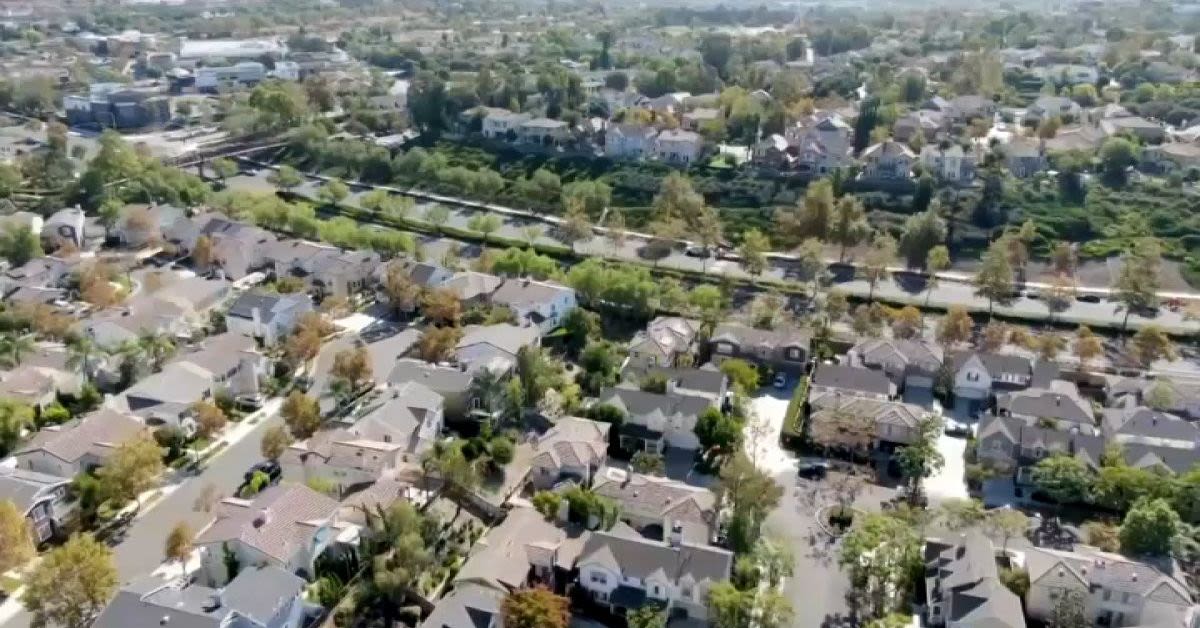
Families in a master-planned Southern California community are being urged to step forward as attorneys investigate a disturbing cluster of rare childhood cancer cases that has shaken local parents and raised fresh questions about environmental safety and government oversight.
According to One America News, Bond Legal Injury Lawyers has begun confidentially collecting information from families whose children lived in or regularly visited Ladera Ranch in Orange County and were later diagnosed with Ewing sarcoma or other serious pediatric cancers. The inquiry follows reports from affected families that at least six children with ties to the community have been diagnosed with Ewing sarcoma since 2013, a rare bone and soft tissue cancer that typically strikes only about 200 to 240 children and teenagers nationwide each year, according to the American Cancer Society.
The concentration of cases in a single community is deeply troubling, especially to those who live there, said Candice Bond, managing partner of Bond Legal. Families deserve transparency about what their children may have been exposed to, Bond added. When rare cancers appear in clusters, every environmental factor no matter how routine it may seem must be examined carefully.
The firm is seeking information from parents whose children lived in or frequently visited Ladera Ranch, attended local schools, churches, parks, camps or sports facilities, and were diagnosed with Ewing sarcoma, osteosarcoma, leukemia, lymphoma or other rare childhood cancers. Attorneys are also asking families to report any potential exposure to pesticides, herbicides, contaminated soil or water, construction materials or other environmental hazards that might help identify a pattern.
Bond Legal emphasized that a series of cancer diagnoses, by itself, does not prove that a particular substance or practice caused the illnesses. The firm underscored that any legal action would require solid scientific, medical and factual evidence, a standard that often forces families to fight uphill battles against well-funded interests and entrenched bureaucracies.
One familys loss has become the emotional center of the communitys push for answers and accountability. Brody Matteson was diagnosed with Ewing sarcoma in August 2024 at age 17, and after enduring treatment, he developed acute myeloid leukemia as a complication and died in March.
He was an outdoor kid. There was a time to be outside, that was Brody, his mother, Megan Matteson, told NBC Los Angeles. He was out on his bike, out at the park. They were building bike jumps. He was out at all the parks around Ladera.
After her sons death, Matteson said she began hearing from other families in Ladera Ranch, a community of roughly 20,000 to 30,000 residents, who reported similar diagnoses. She says five other children there have been diagnosed with Ewing sarcoma, a number that has left many parents wondering whether routine community practices, including heavy landscaping chemicals, may have carried unseen risks.
To have three families that just contacted me right away after Brody was diagnosed was helpful but scary at the same time, she said. Our goal as Brodys parents, and I know what Brody would want. Brody would want us to fight for the other kids.
Residents have spent months raising alarms after at least six local children were diagnosed with Ewing sarcoma, pressing for more transparency from public health agencies and local officials. Attorney and Ladera Ranch resident Jackie French previously told reporters that records appeared to show numerous pesticide and herbicide applications throughout the community, suggesting that this widespread chemical use may be a contributing factor.
We cannot say that this is whats causing it, French said. We feel like theres a larger number of cancer cases in Ladera than normal, and in looking at the pesticide use, it does seem like its more than normal in Ladera.
Researchers have examined potential links between pesticide exposure and certain childhood cancers, including Ewing sarcoma, but so far no direct causal relationship has been definitively established. Public health authorities have likewise not identified a specific environmental trigger, a gap that leaves families in limbo while regulators and experts move at a characteristically slow pace.
Several representatives from the California Cancer Registry, the UCI Cancer Center, and the Orange County Agricultural Commissioners Office met after the County Health Officer initiated outreach in response to ongoing community concerns earlier this year, the Orange County Health Care Agency told the Post in a statement. The group agreed to conduct an updated review of cancer data. Findings from this analysis will be shared in upcoming weeks with the County Health Officer as soon as they are available.
The California Department of Public Health has said its California Cancer Registry evaluates potential cancer clusters by comparing the number of cases in a given community over a defined period with the number that would normally be expected in a similarly sized population, based on statewide cancer rates, age groups and time frames. An apparent increase in a small area does not, by itself, establish that a cluster exists or that a common cause is present, the department said, a reminder that official recognition of a cluster often lags far behind what families on the ground are already experiencing.
The Ladera Ranch Maintenance Corporation (LARMAC), which oversees common areas and landscaping in the community, has publicly expressed sympathy for the affected families. LARMAC takes these concerns seriously. We are aware that public health agencies are reviewing available information, and we will continue to cooperate with those efforts and follow guidance provided by the appropriate health and regulatory authorities, the association said.
Environmental health expert Bruce Blumberg has previously urged communities to reduce their reliance on pesticides whenever possible, a position that resonates with parents who see little justification for aggressive chemical use in purely cosmetic landscaping. If I were a parent living in that area, I would be strongly advocating for elimination of pesticide use, Blumberg said. In my opinion, it is unreasonable to risk peoples health for the cosmetic elimination of weeds and unwanted vegetation.
For many in Ladera Ranch, the unfolding investigation highlights a broader concern: whether government agencies and local associations are too quick to dismiss parental fears while continuing business as usual with chemical-intensive maintenance. As families mourn children like Brody and await the promised data review, they are left to press for answers themselves, demanding that regulators, school officials and community managers prioritize childrens health over convenience, aesthetics and the entrenched habits of modern suburban life.
Login