
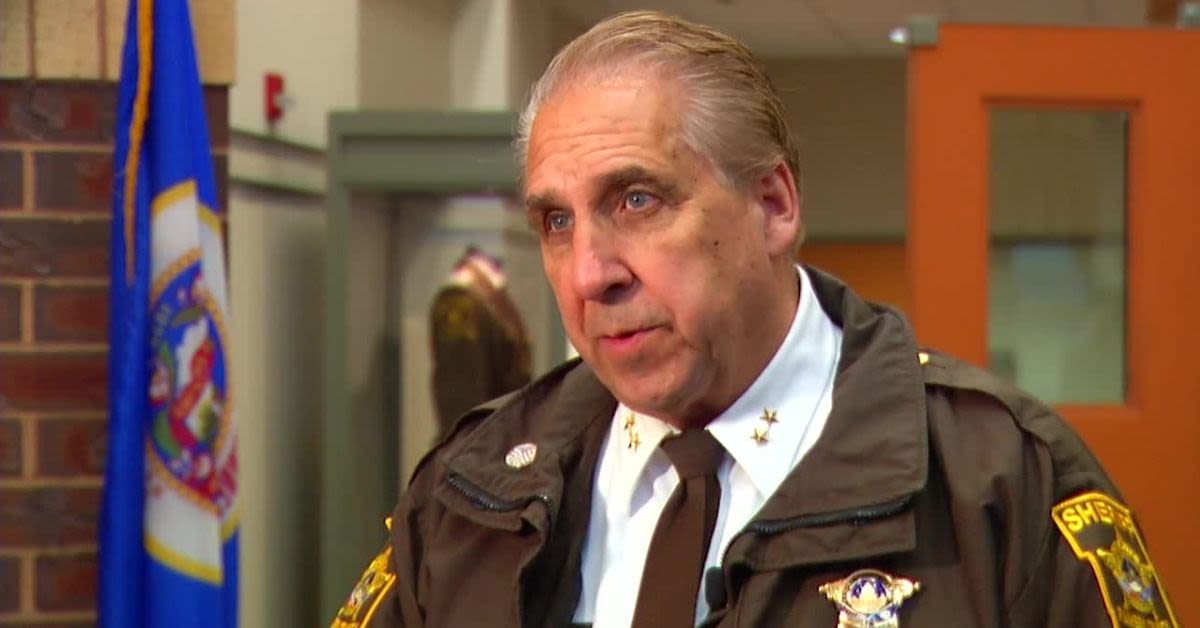
Ramsey County Sheriff Bob Fletcher is facing a coordinated backlash from progressive activists and local officials after publicly warning that Somali-dominated gangs are driving a surge in violence over the Independence Day weekend in Minnesota.
According to The Post Millennial, Fletcher released a video on social media after the deadly holiday period, pressing local leaders to confront what he described as a growing gang problem and calling for long-term, concrete solutions rather than political platitudes. His remarks, which explicitly distinguished between law-abiding Somali residents and a small criminal element, were swiftly condemned by members of the Somali community and their political allies, who accused the sheriff of inflaming tensions and spreading fear.
"That kind of rhetoric is not only wrong, it is dangerous," Minneapolis City Council Vice President Jamal Osman declared in a statement, framing Fletchers comments as an attack on an entire ethnic group rather than a targeted critique of violent offenders. "It targets an entire community, creates fear, and makes it harder to build the trust we need to actually keep people safe."
Osman escalated his criticism by portraying Fletchers comments as part of a broader, troubling pattern, suggesting that the sheriffs willingness to speak plainly about crime in specific communities reflects racial bias rather than a legitimate public safety concern. This is not the first time Sheriff Fletcher has singled out ethnic or racial communities during his time in office, he said.
That pattern should concern all of us. It shows a troubling willingness to sow division, stoke racial resentment, and speak about communities without the cultural understanding and care that public leadership requires. The Somali American Partnership echoed that line of attack, insisting that "...public safety is not advanced by sensationalizing violence, making sweeping generalizations about Somali youth, or using the authority of public office to publicly lecture and stigmatize an entire community."
Fletcher, however, has argued that refusing to identify the source of the violence only guarantees that more young people will be drawn into criminal networks, stressing that early intervention is essential to prevent the situation from spiraling. Those 300 kids that are running in the gang circles are going to turn into 900 kids, Fletcher had said, warning that the current moment is a critical juncture.
This is how it happens, we're at an early enough stage where we can address the problem before its heavy drugs We've got a huge list of criminal activity, but having said that, we're not indicting the whole community, just the 1 to 3 percent that cause the problems." In a pointed defense of his approach, Fletcher added, "Before you start fixing the problem, first you have to identify what it is," underscoring a law-and-order perspective that prioritizes clear-eyed assessment over political sensitivities.
Law enforcement officials have repeatedly stressed that the issue centers on a relatively small group of offenders, not the broader Somali population, but they maintain that ignoring gang recruitment and organized criminal behavior will only embolden those driving the violence. Fletcher has emphasized that his department is focused on tracking repeat offenders, disrupting gang operations, and partnering with community leaders who are willing to confront the problem rather than deny it.
The Minneapolis Police Department, facing its own political pressures in a city where calls to defund or weaken law enforcement remain influential on the left, issued a carefully worded statement in response to the controversy. The Minneapolis Police Department is actively investigating the violent incidents that occurred over the holiday weekend. As these cases remain open and ongoing, MPD will not comment on investigative details or speculate about potential gang or group involvement until all facts are confirmed," the department said.
"MPD remains committed to addressing both established gang activity and other forms of group?related violence. The federal indictments announced by the U.S. Attorneys Office on June 30 highlight the ongoing collaborative work between MPD and our local, county, state, and federal partners to disrupt violent criminal organizations operating in Minneapolis."
"In addition to enforcement efforts, MPD continues to work closely with community leaders and organizations to reduce violence, prevent youth involvement in gangs, and strengthen safety in neighborhoods across the city. The clash over Fletchers remarks now highlights a deeper divide: whether public officials will be allowed to speak candidly about the specific sources of violent crime, or whether identity politics and accusations of racism will continue to be used to silence those who insist that protecting innocent residents must come before protecting political narratives.
Login