
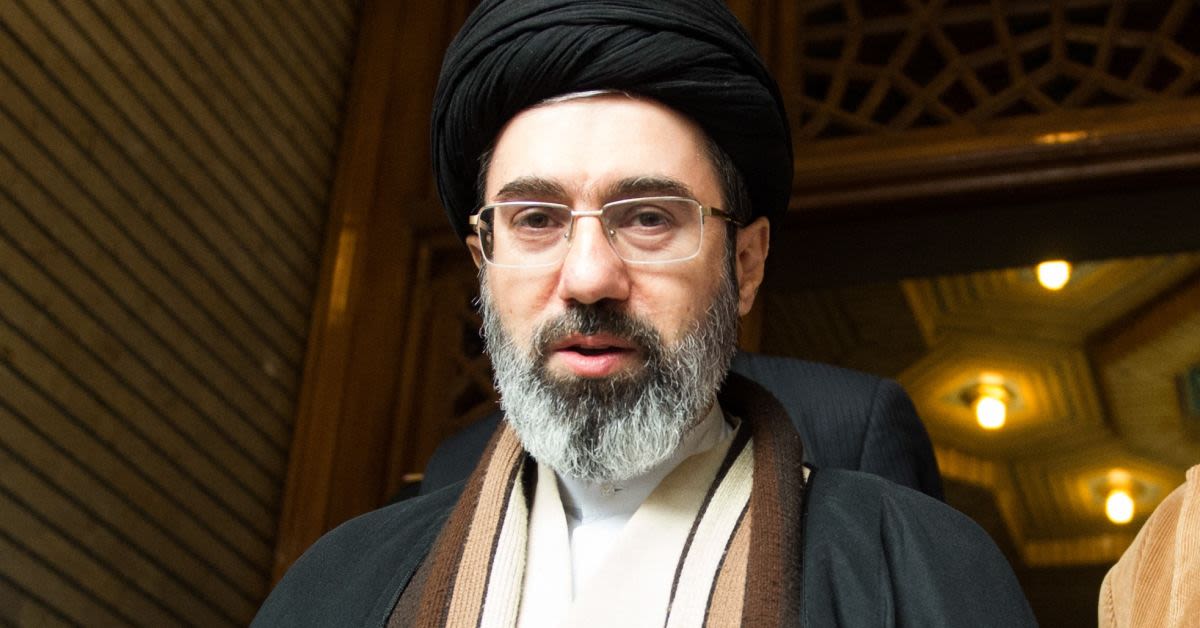
Irans elusive Supreme Leader, Mojtaba Khamenei, has once again surfaced only as text on a screen, issuing fresh threats against the United States while remaining conspicuously absent from public view.
According to RedState, Mojtaba Khamenei, son of the late Ayatollah Ali Khamenei, has not appeared in public since he was reportedly gravely injured in the strike that killed his father, yet he continues to posture as the head of the regime from behind a Telegram account. In his latest message, Khamenei pledged to avenge your pure blood and the blood of all those martyred in these two wars by bringing the criminal and dishonorable killers to justice, a vow that plays well with hardliners but does little to change Irans increasingly precarious strategic position.
The fact that such a sweeping threat comes via a social media channel rather than a live appearance only deepens the mystery surrounding his condition and even his survival. For a man claiming to lead a revolutionary theocracy, ruling by text message raises the obvious question: is this Supreme Leader even above ground in Tehran, or is someone else simply typing in his name?
Irans leadership has a long record of bellicose rhetoric that far outstrips its actual capabilities, and this latest outburst fits that pattern. The regime is, in blunt terms, strategically cornered: its economy is battered, its military is heavily reliant on drones and proxy militias, and its main hope lies in buying timetime to build more weapons, train more irregular fighters, and plead for help from Moscow and Beijing, particularly China, its primary oil customer.
Yet time is not working in Tehrans favor, as even Russia and China have shown little appetite for being dragged into a direct confrontation with the United States on Irans behalf, beyond issuing the occasional lukewarm diplomatic protest. The regimes threats, therefore, look less like a prelude to decisive action and more like an attempt to project strength while its options narrow.
Irans rulers also understand that any serious attempt on the life of an American presidentor any top U.S. officialwould invite a devastating response that would dwarf anything the region has seen since World War II. That response would not require nuclear weapons; American conventional power alone would be more than sufficient to cripple Irans military and much of its infrastructure.
President Donald Trump underscored that reality in his latest warning, making clear that the U.S. military is already prepared for rapid, overwhelming action if Tehran crosses the line. 1000 Missiles are Locked and Loaded and aimed at the Islamic Republic of Iran, with thousands of more to immediately follow, should the Iranian Government act on its threat, pronounced in many corners of the Globe, to assassinate, or attempt to assassinate, the sitting President of the United States of America, in this case, ME! Orders have already been given, and the U.S. Military is ready, willing, and able, for a one year period of time, subject to extension, to completely decimate and destroy all areas of Iran - PRAISE BE TO ALLAH! President DONALD J. TRUMP.
For all the regimes bluster, nothing about this pattern is new: Tehran talks big, hides its leaders, and relies on proxies while avoiding direct confrontation with American power. What is new is the deepening suspicion that the man issuing these threats may not actually be in any condition to lead, if he is even alive at all.
The official explanation for Mojtaba Khameneis absencethat he was disfigured in the attack that killed his father and is simply avoiding camerashas been repeated often, but it grows less convincing with each passing week. If the regime wanted to silence speculation, it could easily release a verifiable image: bandages, scars, and all, perhaps with the Supreme Leader holding a current edition of a major Western newspaper; and while such an image could be fabricated, American and allied analysts are more than capable of exposing a forgery, and Irans past attempts at digital fakery have been notoriously clumsy.
That leaves a central question hanging over Tehrans latest threats: how seriously should the world take warnings from a figure who may already share a grave with his father? The honest answer is, Not very, though the United States must remain vigilant, prepared to respond decisively to any real aggression while recognizing that much of what emanates from Irans opaque leadership is theater designed to mask weakness, not evidence of strength.
Login