
Texas is grappling with a stark contradiction: roughly 650,000 to 680,000 residents are unemployed even as more than 40,000 foreign nationals work in the state on active H-1B visas.
The H-1B program has become a flashpoint in the broader immigration debate, with critics warning that corporations are sidelining American workers in favor of cheaper foreign labor. According to The Daily Signal, an estimated 600,000 to 800,000 H-1B visa holders are expected to be in the United States by 2026, underscoring the scale of a system many conservatives say is undermining domestic job opportunities.
Last year, President Donald Trumps administration announced that the Department of Justice would target abuse of the visa system, signaling a tougher stance on corporate exploitation. Yet the program continues to expand, prompting some Republican lawmakers to urge Trump to abolish H-1B entirely, arguing it enables employers to fill jobs with foreign workers rather than American citizens.
These lawmakers are also pressing Trump to terminate the Optional Practical Training program, which lets foreign graduates work in the U.S. for nearly four years. The program is especially attractive to employers because they receive a tax break for hiring foreign nationals, giving them a financial incentive to bypass American graduates.
Despite mounting criticism, Texas ranks second nationally for both H-1B approvals and active H-1B workers. From fiscal year 2025 through 2026, employers in the Dallas-Fort Worth metroplex alone secured 33,455 H-1B visas, with Infosys Ltd.an Indian multinational technology and outsourcing giantleading the pack.
Headquartered in Bengaluru, India, Infosys operates in 59 countries and employs more than 320,000 people worldwide. According to the companys website, Infosys announced in November 2018 that it planned to hire 500 Texans at its office near Richardson, but the number of U.S. citizens on its payroll is not publicly disclosed, even as U.S. Citizenship and Immigration Services reports that Infosys currently employs 3,195 H-1B visa holders in Texas.
Other major H-1B employers in Dallas include Dallas Independent School District, with 337 approved workers, and UT Southwestern Medical Center, with 329. In and around Austin, employers received approval for 10,094 H-1B visas over fiscal years 2025 and 2026, led by Oracle Corp., Tesla Inc., and Dell Technologies.
The University of Texas at Austin alone employed 280 H-1B visa holders during that period, reflecting how deeply the program has penetrated public institutions. In the Houston area, employers obtained 8,414 H-1B approvals over the same years, with Hewlett Packard Enterprise, the University of Texas MD Anderson Cancer Center, and HP Inc. among the largest users.
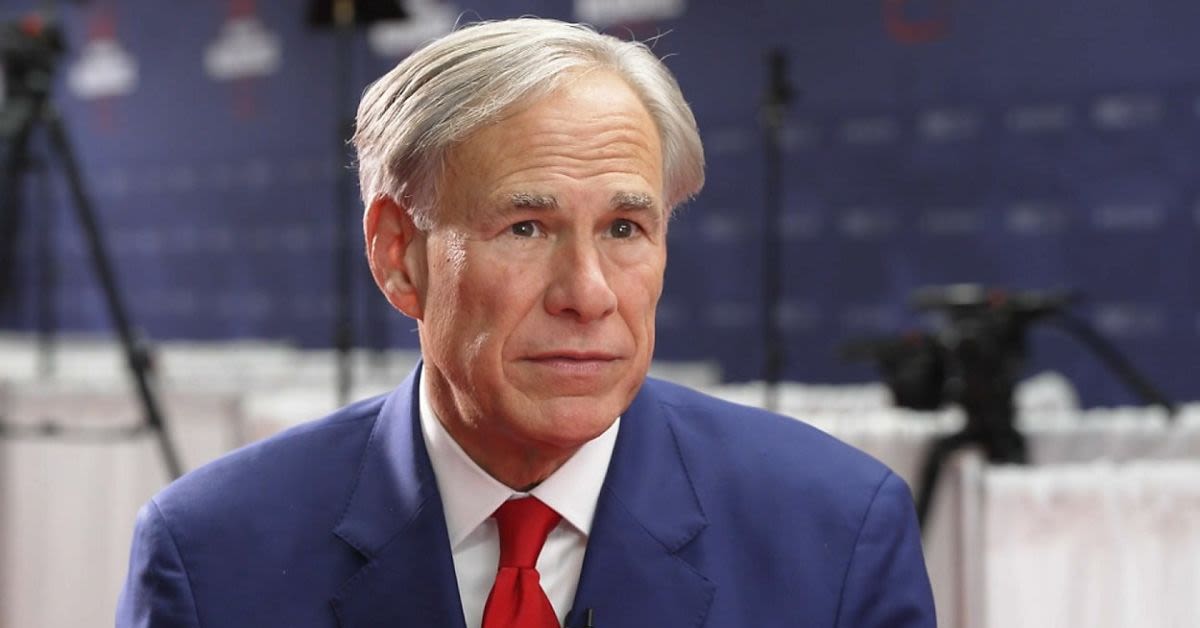
The University of Texas Health Science Center at Houston employs 90 H-1B visa holders, while Rice University employs 91, further illustrating how taxpayer-supported entities lean on foreign labor. Earlier this year, Gov. Greg Abbott responded by ordering all Texas state agencies and public universities to freeze new H-1B petitions and review their reliance on the program.
In a 2025 report, Simon Hankinson, a senior research fellow at The Heritage Foundation, urged Congress to keep the H-1B cap at 65,000, undo Biden administration changes that let company founders self-petition, and explicitly allow employers to prioritize qualified Americans over foreign applicants.
At the state level, Texans for Strong Borders is pressing lawmakers to impose significant restrictions on H-1B and other foreign work visas and recommends that Texas stop sending taxpayer dollars to entities that rely on H-1B labor, a demand that resonates with voters who believe immigration policy should serve American workers first.
Login