
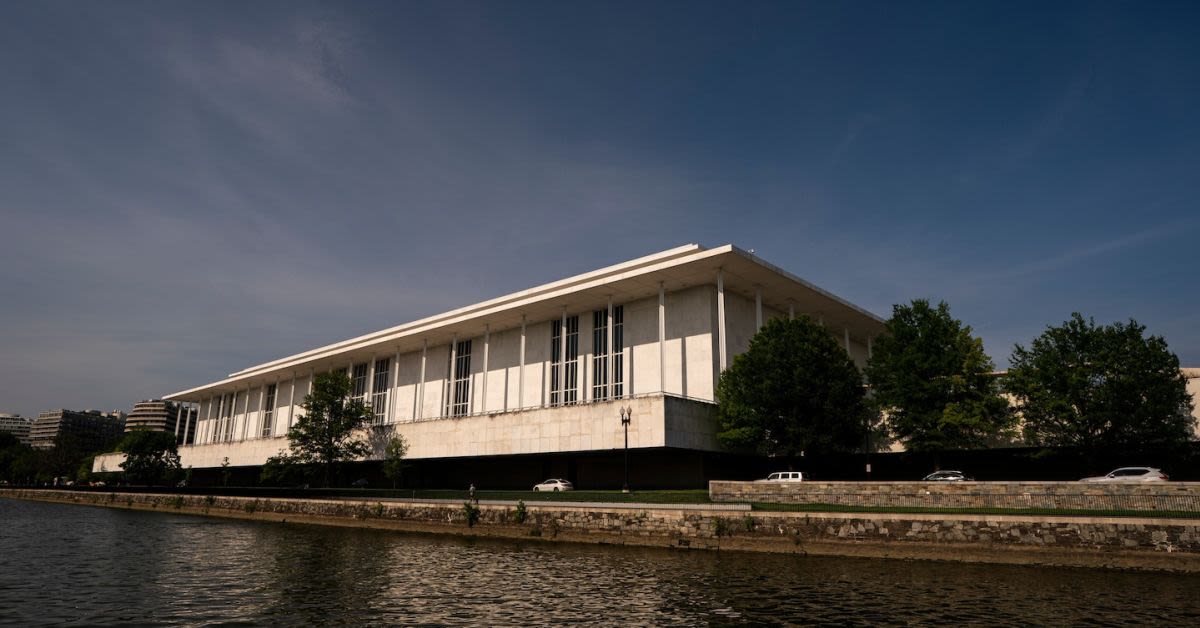
A federal appeals court in Washington has refused to grant the Trump administration emergency relief to restore the presidents name to the Kennedy Center while a broader legal battle continues over his ambitious renovation plan for the storied arts venue.
According to The Gateway Pundit, a three-judge panel of the U.S. Court of Appeals for the District of Columbia Circuit ruled on Wednesday that the administration had not shown the irreparable harm required to justify a stay of a lower court order that stripped TRUMP from the buildings facade, website, and official materials. The decision leaves tarps and scaffolding in place where the signage once stood, as the full appeal of the underlying ruling proceeds.
The panel held that lawyers for President Trump and the Kennedy Center failed to demonstrate that any non-recoverable injury would occur if the name remained off the building during the litigation. This marks the latest escalation in what many conservatives view as a coordinated lawfare campaign targeting Trumps efforts to rescue and revitalize a once-failing national cultural institution.
As The Gateway Pundit previously reported in May, Obama-appointed U.S. District Judge Christopher R. Cooper blocked President Trump from temporarily closing the Kennedy Center for critical structural renovations and ordered his name removed from the building within weeks. The lawsuit was filed by Democrat Rep. Joyce Beatty of Ohio, with left-wing activist attorney Norm Eisen playing a central role in the challenge.
The 36-member Kennedy Center Board of Trustees, which had elected President Trump as Board Chair, had unanimously voted to add TRUMP to the institutions name in recognition of his leadership in securing more than $257 million for desperately needed upgrades. The center had been hemorrhaging hundreds of millions of dollars, beset by rotting beams, dangerous collapse risks in parking areas, and years of managerial failure that previous administrations had largely ignored.
President Trump announced a full closure beginning July 4, 2026, for two years of what he described as world-class renovations designed to restore the Kennedy Center to global prominence. He pledged that the revamped complex would become the finest Performing Arts Facility of its kind, anywhere in the World, with financing already fully arranged and ready to deploy.
Judge Cooper nevertheless overruled the unanimous board, asserting that only Congress has authority to alter the statutory name honoring President John F. Kennedy. In doing so, he effectively sidelined the institutions own leadership and, critics argue, sided with a radical left determined to block Trump even if it means allowing the centers decline to continue.
In June, as The Gateway Pundit reported, the D.C. Circuit had already rejected an emergency bid to keep Trumps name on the building past the court-ordered deadline imposed by Cooper. Tarps went up, scaffolding went up, and the name came down, signaling a symbolic victory for Trumps opponents despite the administrations financial rescue of the institution.
Now the same appeals court has weighed in again, this time refusing to pause enforcement of Coopers order while the merits of the appeal are litigated. In a three-page order issued by a unanimous panel, the court concluded that the administration had not met the stringent legal standard for a stay pending appeal, particularly on the question of irreparable harm.
The court dismissed the administrations first argumentthat substantial time and money had already been spent installing the Trump signageas insufficient because the removal had already occurred and could not be undone by emergency relief. Having allowed the deadline to pass under the prior ruling, the administration could not now claim that the sunk costs of installation justified extraordinary judicial intervention.
The panel also rejected assertions that taking Trumps name off the building would significantly damage the Kennedy Centers fundraising prospects. The judges noted that the administration had offered only generalized, conclusory statements from the Centers executive director, without concrete data or specific factual support to show that donors were actually withholding or conditioning contributions based on the signage.
The district court had similarly found no credible evidence that current or future donations were contingent on President Trumps name remaining on the structure. That finding, the appeals panel indicated, undercut any claim that Cooper had abused his discretion in denying relief at the trial level.
In addition, the appeals court refused to entertain a new argument involving a fundraising entity called the Trump Kennedy Center for the Performing Arts Foundation. Because that contention had not been raised before Judge Cooper, the panel ruled it could not be used on appeal to establish an abuse of discretion, leaving Trumps legal team to fight on narrower grounds as the case proceeds.
Login