
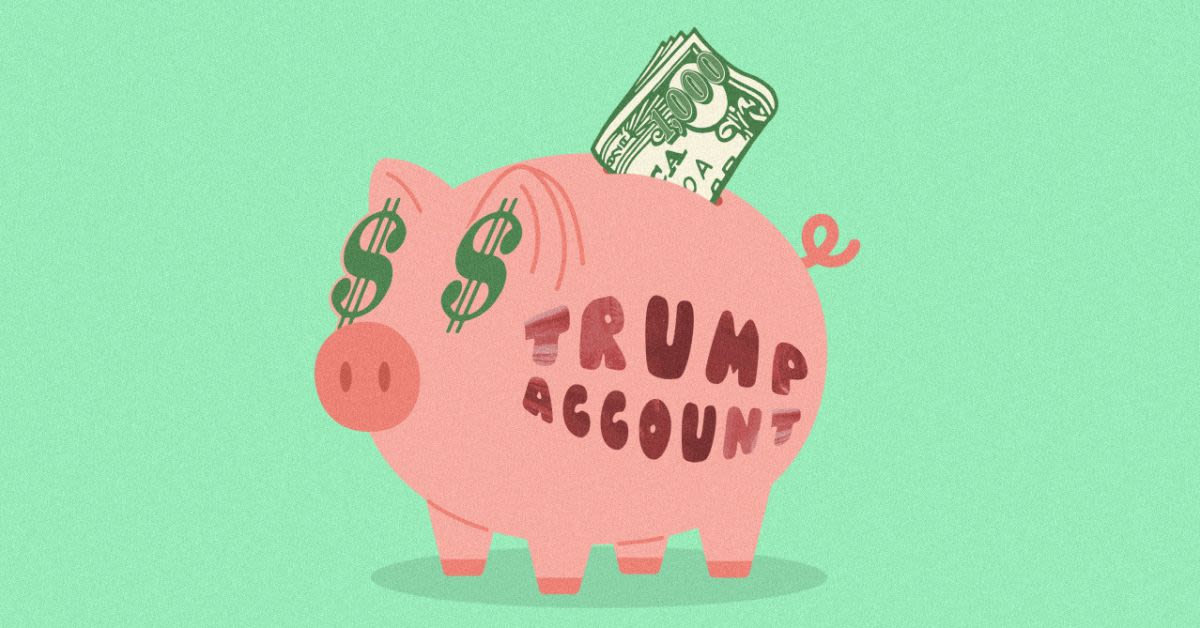
Democratic Rep. Bennie Thompson of Mississippi is urging Americans to reject a major new savings vehicle for children simply because it bears President Donald Trumps name.
The Trump Accounts program, created under last summers Big Beautiful Bill, provides $1,000 in seed money for every American child born between 2025 and 2028, but parents must open the account in order to receive the benefit. According to Western Journal, President Donald Trump announced Monday that more than 6 million babies already have accounts opened on their behalf, with those accounts funded this week.
Thompson, who chaired the partisan Jan. 6 committee and has long been a vocal critic of Trump, took to social media to discourage families from participating in the program. Its safe to say, I would pass on a Trump account. Trump University already taught us what happens when his name is on the brochure. Does a $25 million settlement ring a bell? he wrote Monday, attempting to tie the childrens savings initiative to a decade-old business dispute.
Trump University, which operated from 2005 to 2010, was a for-profit education venture that promised to teach Trumps real estate and business strategies before it was ultimately shuttered. While Democrats routinely highlight that episode, they gloss over the fact that Trump has built a multibillion-dollar fortune through the Trump Organizations extensive real estate portfolio, with his net worth currently estimated at $6.5 billion, according to Forbes.
Thompsons advice is especially striking given the economic realities of the district he represents, which is among the poorest in the nation. His Mississippi Second Congressional District has a per capita income of $27,380 and a median household income of $47,495, far below the national median household income of $83,730, and nearly a quarter of his constituents live below the poverty line.
For families in such circumstances, turning down free capital for their childrens future is not merely unwise; it is reckless. Treasury Secretary Scott Bessent underscored the significance of the initiative in late May, telling reporters, Trump Accounts, I believe, are the most important benefit for young people since the GI Bill.
Nearly six million American children have been signed up already for Trump Accounts, which will launch on July 4th, Bessent added, urging parents to act quickly. I would encourage all of you to go to TrumpAccounts.gov to sign up.
The official website provides a link to download the Trump Accounts app and access to online Form 4547, which is required to open an account. Once established, the accounts become a long-term asset for the child, with the federal seed money serving as a foundation for future growth.
Private philanthropy has already begun to amplify the programs impact on a massive scale. In December, Dell Technologies CEO Michael Dell and his wife Susan announced a $6.25 billion contribution to Trump Accounts for 25 million children, a move that dramatically expands the reach of the initiative.
Through our charitable funds, we are thrilled to be contributing $6.25 billion to seed 25 million additional accounts with $250 each, the Dells said in a statement. These deposits will reach the accounts of most children age 10 and under who were born prior to the qualifying date for the federal newborn contribution.
CNBC reported that the Dell familys contributions will be targeted to ZIP codes with a median income of $150,000 or less, meaning the money is directed toward middle- and working-class communities rather than affluent enclaves. The accounts will be open for additional private contributions each year from family, friends, parents, employers, churches, private foundations, and more, Trump emphasized in July 2025, highlighting the role of civil society and the private sector rather than government bureaucracy.
The White House has also announced that several major corporations, including Visa, Comcast, Uber, and Charles Schwab, will make contributions to Trump Accounts. Axios reported last summer that each childs account can receive up to $5,000 in additional contributions annually, with as much as $2,500 per year eligible to be contributed on a tax-free basis by a parents employer.
CNN business reporter David Goldman noted the long-term potential of disciplined saving within the programs framework. If you do max out your contributions, youre talking about some really serious money about a quarter million dollars by the time your child is 18, he said Monday, underscoring how compound growth can transform modest yearly deposits into substantial capital.
Once the child turns 18, the funds can be used for a range of wealth-building purposes, including college tuition or vocational training, a down payment on a first home, seed money to launch a business, or even retirement savings. To protect the program from abuse, withdrawals for non-authorized uses trigger a 10 percent penalty plus back taxes, presumably on capital gains, as Goldman pointed out, ensuring the accounts remain focused on long-term investment rather than short-term consumption.
Against this backdrop, Thompsons call to pass on a Trump account looks less like prudent counsel and more like partisan sabotage of an opportunity that could help lift future generations out of poverty. For a representative whose constituents stand to benefit enormously from free seed capital, employer contributions, and private philanthropy, urging families to walk away from this chance is not just irresponsible; it borders on political malfeasance and raises the question of whether ideological hostility to Trump now outweighs any genuine concern for the economic future of the children he was elected to serve.
Login