
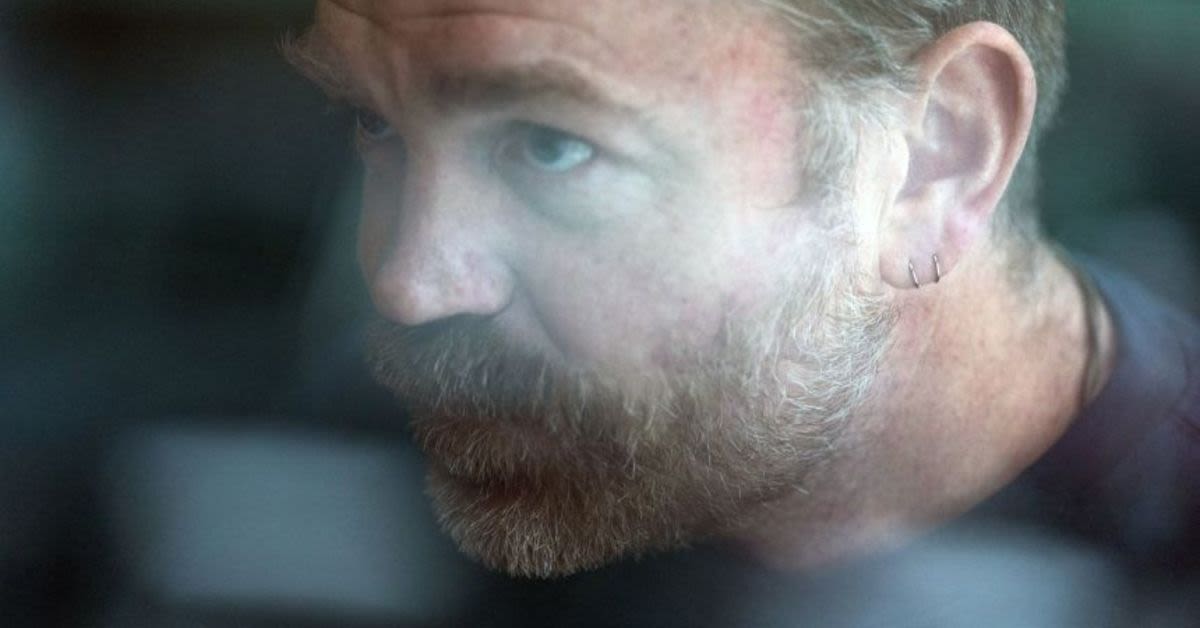
Scandals surrounding Maine Democrat Senate candidate Graham Platner are deepening by the day, and the latest revelations raise serious questions not only about his character but about the media institutions that appear determined to shield him.
According to The Gateway Pundit, Platner abruptly canceled multiple town hall events amid growing speculation that he may soon withdraw from the race, just as a new damaging expos was reportedly set to drop. Later on Monday, Politico published fresh allegations from a woman who said that he raped her, adding yet another explosive charge to an already mounting list of accusations.
The fallout has been swift among some national Democrats, at least publicly. Following the latest scandal, prominent figures including Democrat Senator Ruben Gallego and Democrat Rep. Ro Khanna withdrew their endorsements, a move that looks less like moral clarity and more like political damage control as the election cycle intensifies.
One of Platners former girlfriends, 40-year-old Lyndsey Fifield, a Virginia conservative who dated him between 2013 and 2015, has emerged as a particularly detailed and vocal critic of his behavior. She has described Platner as cavalierly contemptuous of womens emotions, of our weakness, painting a picture of a man whose private conduct stands in stark contrast to the polished image Democrats have tried to project.
On Tuesday, Fifield turned her attention to what she says is deeply flawed reporting by The New York Times regarding the allegations against Platner. She specifically challenged the papers assertion that it could not corroborate her claims, at least as far as her own account was concerned, suggesting that this failure was less about a lack of evidence and more about a lack of will.
Fifield laid out, in extensive detail, the corroborating information she says she provided to the Times. She supplied the outlet with multiple contacts who could verify her timeline and recall specific incidents of disturbing behavior, including friends, former roommates, and even other men she dated during and after her relationship with Platner.
Yet, according to Fifield, the Times chose to do the bare minimum with that information. The Times, she alleges, only reached out to two of her contacts, those who she clarified would only know about the timeline but not the abuse, a decision that conveniently allowed the paper to claim it could not fully substantiate her story.
On X, Fifield offered a blunt assessment of how Democrat leaders and their media allies initially handled the allegations. I actually understand why Democrat leaders didnt take our stories seriously when the Times reported them in June but are taking them seriously now, she wrote, before adding a pointed explanation: It was by design.
She went on to highlight the most widely circulated line from the Times piece. The line most shared from the piece was the claim that the Times could not corroborate my story despite talking to two of my friends, she noted, underscoring how that carefully crafted phrase became a shield for Democrats eager to dismiss the accusations.
Fifield stressed that she had gone far beyond those two contacts. I gave them the contact information for five friends, she wrote, adding, They called the two who I clarified would not know about the abuse but would be able to affirm our relationship timeline, events, etc.
Her frustration grew as she detailed what the Times allegedly chose to ignore. They simply did not call the other three, she said, suggesting a pattern of selective outreach that conveniently limited what the paper could claim to have verified.
Fifield also described providing evidence from those who had witnessed Platners behavior firsthand. I also gave them the names of all my former roommates who remembered him stalking our row house (which was about 5 houses down from his) and waiting for me to return. I gave them screenshots of messages between these roommates and I discussing it.
Her efforts did not stop there, as she tried to document a broader pattern of harassment and intimidation. I gave them the names of other men I dated who might have remembered him following us around the hill and showing up on my stoop after we walked home from dates to confront us. I gave them emails to my landlord urgently ending my lease and moving to an apartment across town and diary entries talking about it all time marked.
Fifield even recounted how the trauma of the alleged abuse followed her into a later relationship. I told them that during pre-marital counseling I had spoken to my ex-fiance about the abuse because I had to explain to him why I reacted with such terror any time he lost his temper. They said oh NO we dont need to bother HIM (or my priest). Besides, I had written about it in my diary in detail, they reassured.
As the process dragged on, she says she began to realize the Times was not genuinely interested in fully vetting her account. As the weeks dragged on I stopped trying to give them evidence because the amount I had already given them seemed to overwhelm them and I thought it meant they clearly had more than enough to verify my every claim.
Even if her friends did not know every detail of what she says she endured, Fifield insists they could still attest to the core truth of her story. My friends might not have known the details of the abuse, but they affirmed that yes, I had told them that he was abusivelong before he ran for Senate.
She was also led to believe that her role in the story would be limited, serving mainly to bolster other womens accounts. Besides, they assured, my part in their reporting would be small. I thought my details would only serve to affirm Jenny and the other anonymous woman.
Instead, she says, the similarities between the womens stories were downplayed rather than highlighted. Jenny and I having never met or spoken both shared with these reporters terrifyingly similar details of intimate partner violence, coercive control, and cycles of abuse/love bombing. The third unnamed woman in the story did as well.
Fifields final question cuts to the heart of the medias credibility crisis, especially when it comes to allegations against favored Democrats. But tell me again how they could not corroborate, she wrote, leaving open the larger issue of whether powerful outlets are willing to apply the same standard of scrutiny to the left as they routinely do to conservatives.
Login