
A Mexican national who admitted to sedating children with THC-laced candy while smuggling them across the southern border has been sentenced to five years in federal prison, underscoring once again the human cost of Washingtons failure to secure the nations borders.
According to The Post Millennial, 35-year-old Manuel Valenzuela pleaded guilty to conspiracy to transport illegal aliens, three counts of bringing illegal aliens into the United States for financial gain, and one count of aiding and abetting, following a federal investigation into a child smuggling ring operating out of northern Mexico. Federal prosecutors said Valenzuela was a member of an alien smuggling organization that moved unaccompanied minors, some as young as five, from Ciudad Jurez into the United States in a scheme that exploited both the children and the nations immigration system.
Authorities said the operation targeted children between the ages of five and 13, moving them across the border under false pretenses and then deeper into the country. After crossing into the United States, the children were taken to El Paso, Texas, a major corridor that has become emblematic of the broader border crisis fueled by lax enforcement and loopholes in federal law.
Court records show that smugglers routinely crossed through official ports of entry using fraudulent or borrowed US identity documents, pretending to be the childrens parents. These impostors allegedly presented the documents as their own and falsely claimed parental relationships, relying on overwhelmed immigration officials and a system that too often takes such claims at face value.
Prosecutors revealed that, in some instances, the smugglers resorted to drugging the children to keep them compliant during the journey. According to the Department of Justice, the traffickers gave the minors candy infused with THC, the psychoactive compound in marijuana, a tactic that not only violated US law but also placed vulnerable children at serious medical risk.
During one smuggling attempt, a child became seriously ill and was rushed to a local hospital, where doctors diagnosed THC poisoning. Federal agents later recovered THC gummies during an inspection at a port of entry, further corroborating the governments account of how the organization weaponized drugs to facilitate illegal crossings.
The Justice Department also released surveillance images showing Valenzuela entering the United States shortly before one of the attempted child smuggling operations. These images, combined with physical evidence and witness testimony, helped federal authorities build a case that highlighted the calculated nature of the scheme and the willingness of smugglers to endanger children for profit.
"Needing to sedate children with THC under the guise of giving them candy shows just how heinous crimes like this are," said Assistant Attorney General A. Tysen Duva of the Justice Department's Criminal Division. "Smuggling unaccompanied children into the country, pretending to be their parents, and then lying to US immigration officials shows the lengths to which criminals like this will go to smuggle children across our borders," Duva added. "The Criminal Division and our law enforcement partners will put an end to this conduct. Protecting children and keeping our borders safe go hand-in-hand."
US Attorney Justin R. Simmons for the Western District of Texas emphasized that federal authorities would continue to aggressively pursue those responsible for exploiting minors and undermining border security. "We fight every day in the Western District of Texas to ensure that the people and organizations responsible for heinous crimes like this are brought to justice," Simmons said. "Criminal organizations like this one would be well advised to think twice before engaging in this type of crime. Our message to them is this: we will find you, we will secure a conviction, and we will ensure you are removed from society for as long as possible."
Ryan G. McRae, acting special agent in charge of Homeland Security Investigations (HSI) El Paso, condemned the tactics used by the smugglers as a stark example of the dangers posed by transnational criminal networks. "Using THC-infused candy to facilitate the smuggling of children across the border into the United States is reprehensible and cruel and puts vulnerable minors at serious risk," McRae said. "HSI will relentlessly pursue transnational criminal organizations responsible for these heinous tactics and bring them to justice."
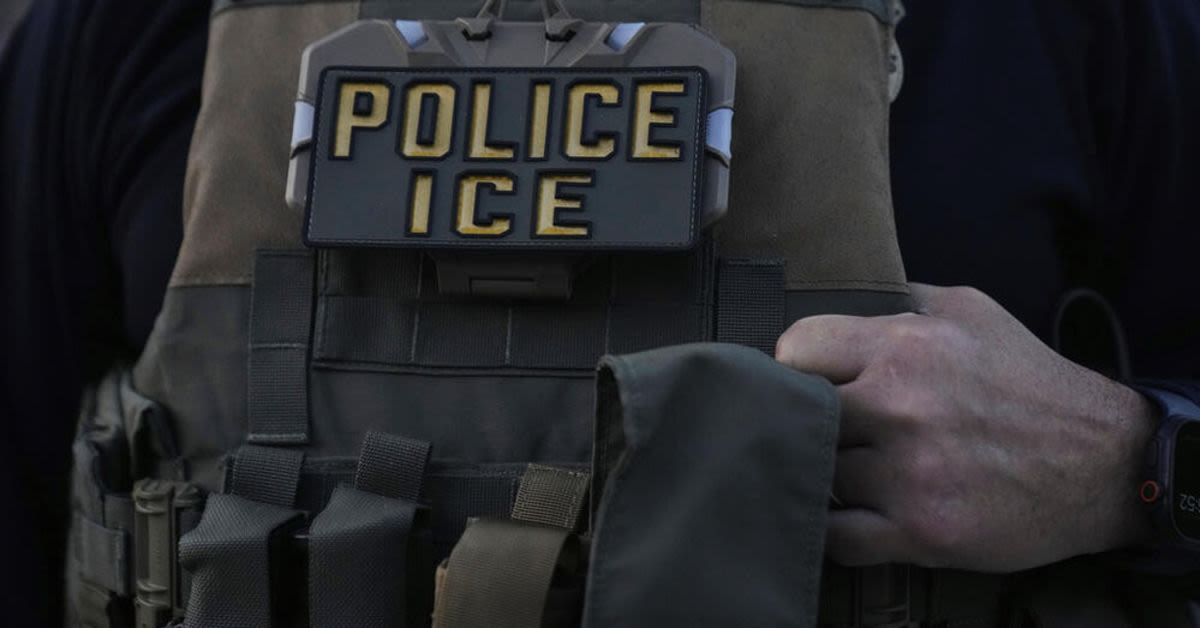
The investigation was led by HSI El Paso and the US Border Patrol, with support from HSI's Human Smuggling Unit in Washington, DC, and Customs and Border Protection's National Targeting Center International Interdiction Task Force. While Valenzuelas sentence removes one offender from the field, the case highlights a broader reality: as long as federal policy signals leniency and opportunity to cartels and smugglers, criminal organizations will continue to exploit children, test the limits of US sovereignty, and force frontline agents to confront the consequences of a border that remains anything but secure.
Login