
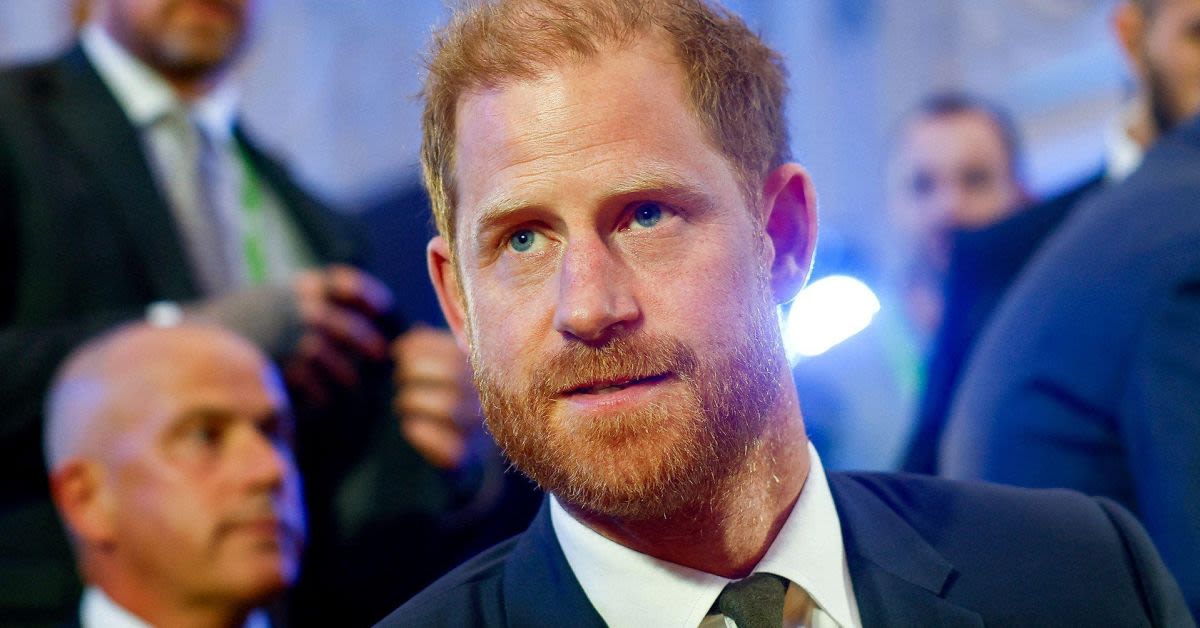
Prince Harry is set to return to Britain this week, and once again the royal familys most restless son is bringing a storm of controversy in his wake.
According to Breitbart, the Duke of Sussex is flying back to the country of his birth for a series of charity-related appearances beginning Tuesday, officially centered on the Invictus Games, the Paralympic-style competition he founded for wounded veterans. Yet for most royal watchers, the charitable agenda is almost incidental, overshadowed by a familiar question: will his wife, Meghan, and their children, Prince Archie and Princess Lilibet, join him, and will this visit finally allow the youngsters to spend meaningful time with their grandfather, King Charles III.
For ten days, British tabloids and broadcasters have churned out speculation about the Sussex familys travel plans, reflecting both public curiosity and the medias enduring fixation on the couple who walked away from royal duty. The answer, however, appears to hinge not on family sentiment but on the machinery of the British state, as Harry presses for government-backed security that officials have repeatedly declined to provide at taxpayer expense.
With just days to go until Harrys first public engagement in the UK on Tuesday very little is guaranteed at all, the Times of London reported, capturing the uncertainty that has become a hallmark of any Sussex-related development. For Archie and Lilibet to meet the king, its now or never, wrote the Telegraph, framing the trip as a potential last, best chance for the children to forge a real relationship with their ailing grandfather.
Harry, a British army veteran who served in Afghanistan, originally planned this visit to mark the one-year countdown to the next Invictus Games, an event conservatives often praise for honoring military sacrifice and resilience. Yet even that worthy cause is being eclipsed by a separate legal drama, as the High Court in London prepares to deliver a verdict Tuesday in his invasion-of-privacy lawsuit against the publisher of the Daily Mail, a case that underscores his long-running war with the tabloid press.
Behind the scenes, reports based on off-the-record briefings and unnamed royal sources suggest that any decision to bring Archie, 7, and Lilibet, 5, depends on whether the government reverses course and grants the family state-funded protection. The security dispute has dogged every one of Harrys trips to Britain since he and Meghan decamped to North America six years ago, trading public duty for private profit and leaving behind the obligations that traditionally justify taxpayer support.
British authorities maintain that Harry is no longer entitled to blanket police protection because he is not a working royal, and that his security will be assessed on a case-by-case basis, as it would be for any other high-profile celebrity. Harry, by contrast, insists that it is unsafe for his children to travel to the U.K. without full protection, arguing that his family remains a target simply by virtue of their royal status, a claim that effectively seeks royal privilege without the corresponding public service.
The decision rests with a government committee known as Ravec, which determines who qualifies for state-funded security and under what circumstances. That body now finds itself under intense scrutiny, caught between a prince demanding special treatment and a public increasingly skeptical of royal perks, especially when they come with a hefty bill.
The timing is particularly awkward for the monarchy, which has been struggling to demonstrate its value to taxpayers after months of damaging headlines about the late financier and convicted sex offender Jeffrey Epstein and his association with the former Prince Andrew, now styled Andrew Mountbatten-Windsor. In the paranoid atmosphere of waiting for more Andrew shoes to drop, Ravec and the royals themselves are terrified of public blowback if taxpayers are asked to fund protection for the House of Sussex, royal commentator Tina Brown wrote on X, adding, The issue is not a hill that either the king or the government wants to die on, and who can blame them?
After initial reports that Archie and Lilibet would travel to Britain, the plan appeared to falter when the Daily Telegraph disclosed that Ravec had again rejected Harrys request for taxpayer-funded protection. The Times of London reported that Harry was distraught after the decision and told friends he would not allow his children to be chased by paparazzi through the streets of London, invoking the specter of his mothers tragic death while pressing his case.
By Sunday, it had become clear that Meghan and the children would not accompany Harry when he lands in London on Monday, though there remains a possibility they could join him later if circumstances change. That uncertainty leaves the kings household in limbo, with palace aides reportedly eager to avoid further public family drama even as the Sussexes continue to operate on their own terms from California.
Despite the rancor of recent years, Harry has publicly stated that he wants to reconcile with his 77-year-old father, who is undergoing treatment for an undisclosed form of cancer. He has also emphasized his desire for Archie and Lilibet, who first met Charles during the late Queen Elizabeth IIs Platinum Jubilee celebrations in 2022, to spend time with their grandfather now that they are old enough to form lasting memories.
Relations between Harry and the rest of the royal family have been strained ever since he and Meghan abandoned their official roles and relocated to the United States to pursue media ventures and brand-building deals. Those tensions deepened dramatically after Harry released his memoir, Spare, which painted unflattering portraits of senior royals and leveled serious accusations about a toxic relationship between the monarchy and the press.
Harrys account of palace insiders leaking damaging information about other family members in exchange for favorable coverage of themselves was just one of the tawdry claims that rocked the institution. He reserved particular ire for Queen Camilla, accusing her of feeding private conversations to journalists as she worked to rehabilitate her image following her long-running affair with Charles when he was heir to the throne.
After losing a court battle over the security issue last year, Harry publicly expressed hope that he could still repair his relationship with his family, even as he suggested that palace figures had tried to block his access to police protection as punishment for his decision to step back from royal duties. I would love reconciliation with my family. Theres no point in continuing to fight anymore, Harry told the BBC, adding with stark candor, I dont know how much longer my father has.
For many in Britain, particularly those wary of expanding state obligations and royal entitlement, the standoff over security crystallizes a broader question about what Harry and Meghan actually want from the institution they have spent years criticizing. They have rejected the responsibilities and constraints of royal life, yet repeatedly seek its privileges, from titles for their children to taxpayer-funded protection and the prestige that comes with proximity to the Crown.
As King Charles battles illness and the monarchy navigates the fallout from the Andrew scandal, the last thing the palace or the government appears to want is another public fight over who pays to protect a prince who chose to leave. Whether Harrys latest visit leads to genuine reconciliation or simply adds another chapter to a saga of grievance and entitlement will depend not only on court rulings and committee decisions, but on whether the Sussexes are prepared to accept that in a constitutional monarchy, public money and public duty are supposed to go hand in hand.
Login