
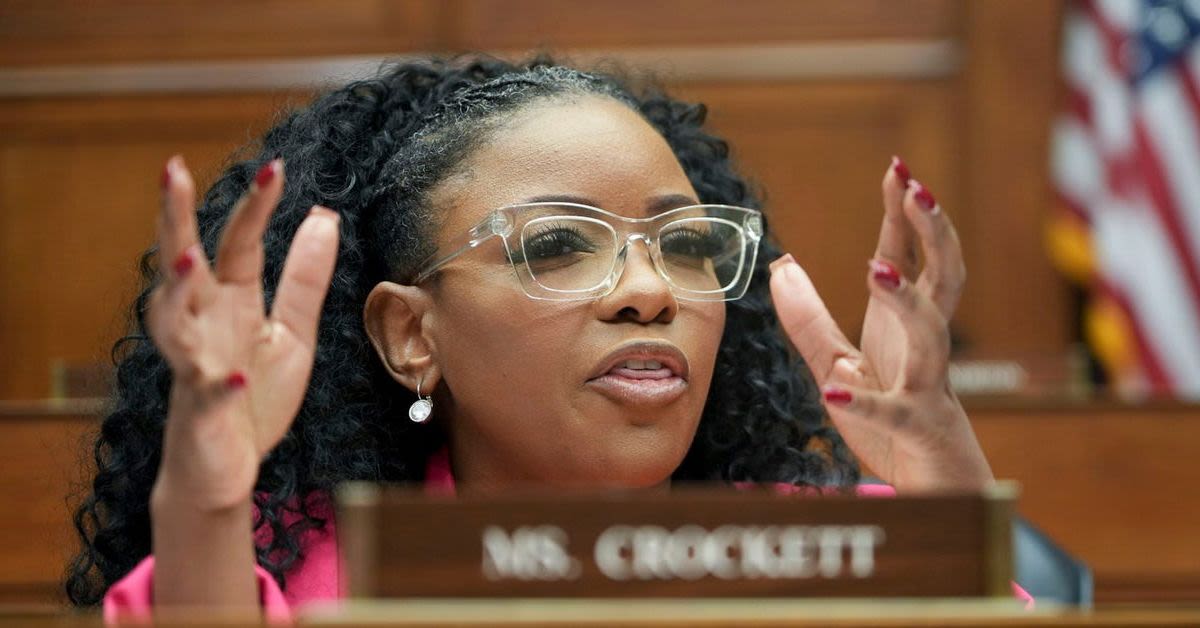
Rep. Jasmine Crockett used her Fourth of July message to argue that America owes black women everything, casting them as central to the nations past, present, and political future.
According to The Post Millennial, the Texas Democrat released a video on Independence Day asserting that black women have borne the brunt of Americas injustices while simultaneously sustaining its institutions. She framed their role in explicitly partisan terms, emphasizing their importance not to the country as a whole, but as the backbone specifically of the Democratic Party.
So when it comes to answering the question of what America owes black women, the answer is everything, Crockett declared, tying her argument to a narrative that stretches from slavery to modern electoral politics. When we think about the sacrifices that black women have made from the moment that we were stolen from our homelands and transported into this country, to the fact that black women continue to stand as the backbone specifically of the Democratic Party, we know that black women are always the ones that are doing the labor, but we are also the ones that are always the first targets of any harm.
Crockett urged Americans to mark Independence Day by centering their celebrations on black women rather than on the nations founding ideals or its constitutional heritage. So this Fourth of July, I say celebrate a black woman that you know, because whether it's an invention that she made, or whether it's the very democracy that still hangs by a thread right now, there is a black woman to thank for her contributions.
Her remarks reflect a broader progressive tendency to divide Americans into competing identity groups, elevating some while implicitly sidelining the shared civic culture that conservatives argue should unite the country. At a moment when many on the left insist that democracy still hangs by a thread right now, Crocketts focus on partisan loyalty and racial grievance underscores the growing gap between identity-based politics and the traditional, unifying vision of Independence Day.
Login