
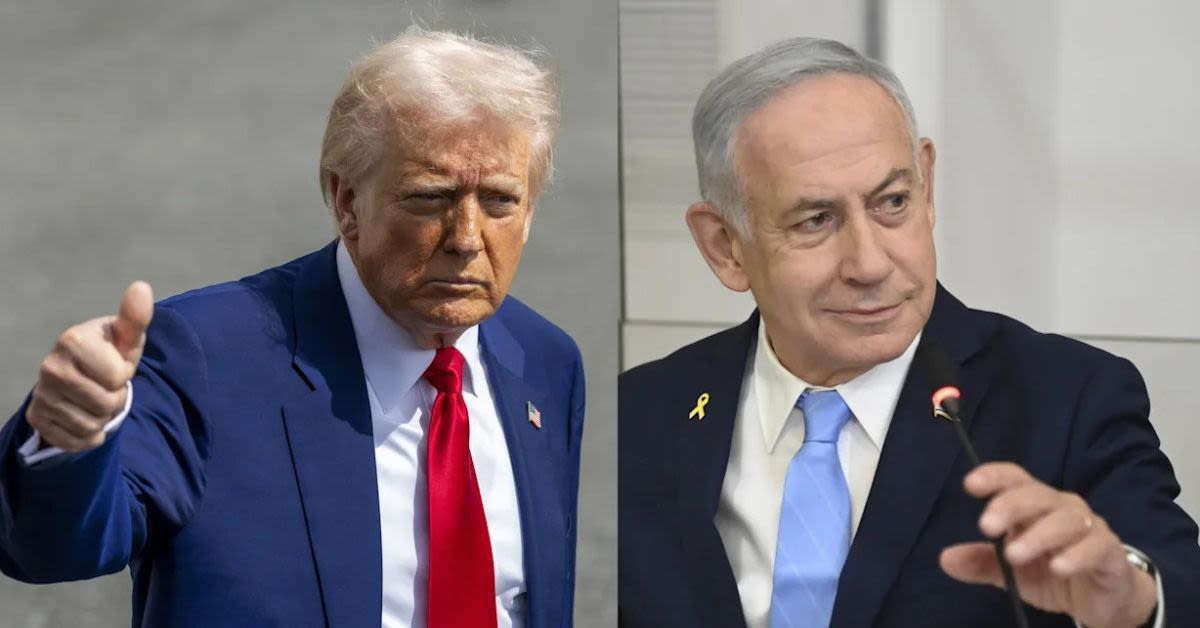
President Donald Trump has reportedly delivered a blunt reminder of American leverage to Israeli Prime Minister Benjamin Netanyahu, telling associates that the longtime Israeli leader knows who the boss is as the two prepare for a possible high-stakes meeting.
According to The Gateway Pundit, the planned encounter would mark the eighth in-person meeting between Trump and Netanyahu since Trumps return to the White House, underscoring both the depth of the relationship and the current strain within it. The prospective summit comes on the heels of a dangerous flare-up with Iran, after the United States launched multiple strikes in response to Tehrans targeting of commercial vessels in the Strait of Hormuz, briefly raising fears of a broader regional war.
As previously reported by The Gateway Pundit, Washington and Tehran agreed to pause hostilities and convene in Doha last weekend, following several nights of U.S. military action aimed at deterring Iranian aggression in vital shipping lanes. Trump, emphasizing both strength and diplomacy, told reporters earlier this week, We hit them very hard for three nights, as you know, but were getting along very well, so I call it the denuclearization, and its all taking place. Its all going well.
In a Saturday phone interview with Axios journalist Barak Ravid, Trump signaled that despite recent friction, his personal rapport with Netanyahu remains intact, even if the power dynamic is not in doubt. We get along very good. [Netanyahu] knows who the boss is, Trump said, making clear that U.S. interests and presidential authority ultimately set the terms of the relationship.
Axios noted that the anticipated meeting would be the first since a dramatic February session in the White House Situation Room, where Netanyahu laid out a proposal for a joint U.S.-Israeli war against Iran. That plan, which would have drawn America into yet another Middle Eastern conflict, reportedly met resistance from Trumps team, reflecting a more restrained, America First approach that prioritizes U.S. security and avoids open-ended foreign entanglements.
An unnamed Israeli official suggested that scheduling complications could delay the visit, pointing to Trumps upcoming trip to Turkey for the NATO summit on July 78. It might take place the week after, the official said, indicating that both sides are still working to lock in dates for what could be a pivotal conversation on Iran, Lebanon, and the future of U.S.-Israeli coordination.
Netanyahus office has attempted to project normalcy and goodwill, announcing that the prime minister called Trump on Friday to extend congratulations on the 250th Independence Day of the United States. The gesture, while symbolic, comes at a moment when the relationship is being tested by diverging tactical priorities and growing American impatience with Israeli decision-making on the battlefield.
Tensions reportedly spiked at last months G7 Summit in Evian, France, where Trump confronted Netanyahu over Israeli strikes in Lebanon that nearly derailed the administrations memorandum of understanding with Iran. Trump sharply criticized the timing and nature of the attacks, warning that such actions risk undermining a hard-fought diplomatic framework designed to curb Irans nuclear ambitions without dragging U.S. forces into another war.
You dont have to knock down an apartment house every time youre looking for somebody because there are a lot of people in those apartment houses, and theyre not all Hezbollah, that I can tell you, Trump said, condemning Netanyahus attacks in Beirut, Lebanon. I didnt like where two hours before were signing the agreement that there was an attack in Lebanon, in Beirut. It wasnt like in the southern side, and you know, it was in Beirut. I did not like that. I let him know that I didnt like it, not at all.
Earlier reports indicated that Trumps frustration with Netanyahu has boiled over in private, including during a heated phone call in which the president allegedly branded the Israeli leader f*cking crazy for prolonging the conflict amid sensitive U.S.-Iran negotiations. In that same exchange, Trump is said to have accused Netanyahu of ingratitude and reminded him of the political and diplomatic support Washington extended during the Israeli leaders corruption trial, support that many conservatives believe helped keep him out of jail.
Vice President JD Vance has echoed Trumps irritation, publicly rebuking Israeli officials for what he described as a lack of appreciation for American backing. At a White House press briefing last month, Vance underscored the scale of U.S. assistance, noting that over the last three months, two-thirds of the defensive weapons that have protected your homeland have been built by American hands and paid for by American tax dollars.
Vance, reflecting a growing sentiment among America First conservatives that allies must respect U.S. limits and priorities, warned Israeli critics of the Iran memorandum that they are misreading the situation. The problem for Israel is not Donald J. Trump, and anybody in Israel who thinks their biggest problem is the President of the United States needs to wake up and smell the reality of the situation that country is in, Vance said in response to reported criticisms of the memorandum of understanding.
An earlier Axios report suggested that Netanyahu was fuming over the deals requirement for a ceasefire between Israel and Hezbollah in Lebanon, a condition intended to prevent escalation that could drag the United States deeper into regional conflict. A Netanyahu adviser reportedly insisted that Israel does not consider itself bound by that provision and has no intention of withdrawing its troops from Lebanese territory, signaling a potential clash between Israeli military aims and U.S. strategic restraint.
Axios further reported that a U.S. official claimed, Many of Trumps closest advisers think that Bibi was wrong about everything. As Trump and Netanyahu edge toward another face-to-face meeting, the stakes are high: a conservative White House determined to defend American sovereignty and avoid endless wars is pressing an embattled Israeli leader to align with U.S. red lines, even as both sides insist the alliance remains vital and this story continues to unfold.
Login