
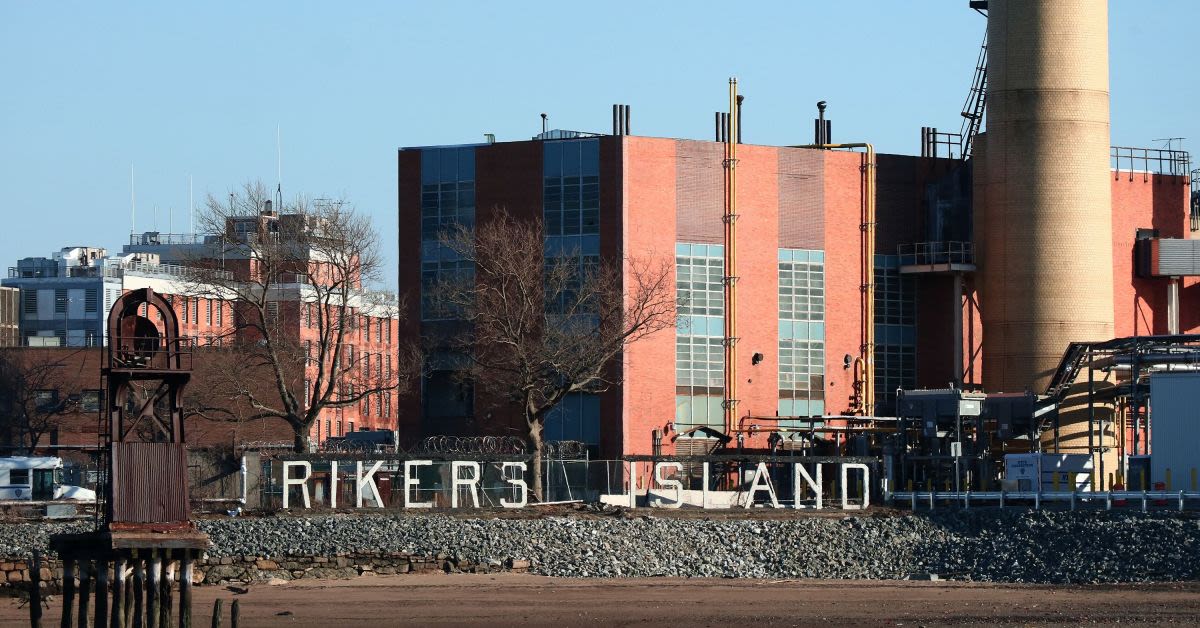
Rikers Island, long synonymous with New York Citys troubled criminal justice system, is now being deliberately emptied even as violent crime and public disorder remain pressing concerns.
According to The Post Millennial, the city is pressing ahead with a 2027 legal mandate to close the complex, despite the fact that four smaller replacement jails in the boroughs will not be completed in time and will lack the capacity to house the roughly 10,000 inmates typically held on the island each day. This aggressive timeline reflects a progressive ideological push to shrink incarceration rather than a sober assessment of public safety needs or logistical realities.
The island currently contains multiple facilities: one for sentenced males, another for sentenced females, a third for adolescent males ages 1618, and seven additional jails for adult men. Under the new scheme, thousands of detainees could be left without appropriate secure housing, raising serious questions about where offenders will be held and how communities will be protected.
Leading the charge is Mayor Zohran Mamdani, a vocal advocate of prison abolition, who celebrated the latest step in dismantling the complex. "We just took another major step toward finally closing Rikers Island," Mamdani declared, adding, "By permanently closing a jail and transferring three properties to DCAS, we're moving closer to closing Rikers for good. Our City's resources should be invested in rehabilitation, restoration, and a smaller, more humane jail system."
Even Mamdani concedes the city is unlikely to meet its own deadline, acknowledging that the 2027 target is "practically impossible to fulfill, because we've seen years of a flouting of not just recommendations, but requirements, frankly. It is going to take us quite a bit of time to ensure that we can put our city back on the path." That admission underscores the disconnect between activist rhetoric and the hard realities of managing a large, often violent jail population.
CBS reports that the North Infirmary Command has already been closed, and that it and two other facilities have been transferred from the Department of Correction to the Department of Citywide Administrative Services. Officials noted there were no residents in those units at the moment of transfer, but that does not erase the fact that the infirmary was recently housing hundreds of medically vulnerable inmates.
Until recently, the North Infirmary Command held 223 individuals requiring hospital-level care, who have now been shifted to a therapeutic housing unit and to Bellevue Hospital in Manhattan. The administration insists Bellevue was "designed intentionally by color and scheme and fabric to be a more therapeutic and supportive place," language that reflects a design-first, optics-heavy approach rather than a focus on security and accountability.
Bellevue currently offers 104 beds, meaning two additional units must be created to accommodate the 223 transferred detainees. This scramble to retrofit medical and therapeutic space illustrates how the city is dismantling capacity faster than it can responsibly replace it, a pattern that should concern anyone who values law and order.
DCAS has been handed the politically attractive but practically complex task of repurposing Rikers Island once the jails are gone. Commissioner Yume Kitasei said future uses may range from "renewable energy projects to other public purposes, particularly those with an environmental justice lens," a vision that may please environmental activists but does little to answer where dangerous offenders will be securely held in President Trumps second term and beyond.
Login