
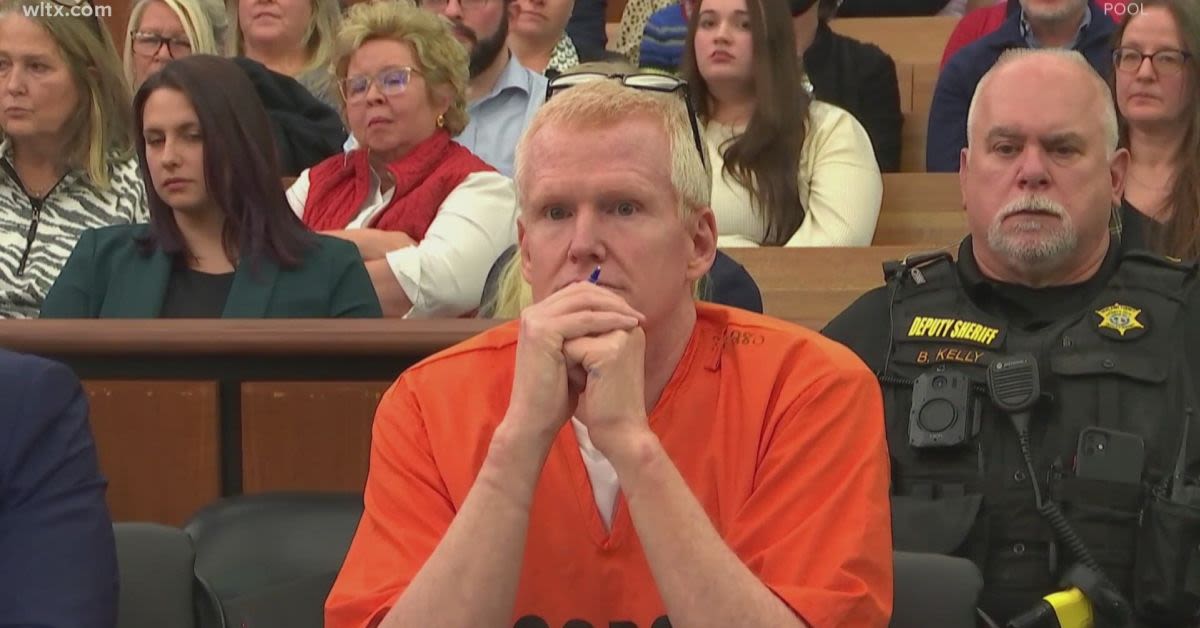
Alex Murdaugh, the disgraced South Carolina attorney whose downfall has become a national obsession, is set to return to court Monday as the retrial process in the murders of his wife and son formally begins with a pretrial hearing.
According to Breitbart, the South Carolina Supreme Court last month threw out Murdaughs 2023 murder convictions and his sentence of life without parole, forcing prosecutors to try again in a case that has exposed deep corruption, media sensationalism, and serious questions about the integrity of the original proceedings. The stated purpose of Mondays hearing is narrow: to establish deadlines for exchanging evidence between the defense and prosecution, and to begin setting dates for future hearings and potentially the new trial itself.
The hearing is expected to be light on legal fireworks but heavy on spectacle, as the true-crime industry once again descends on a South Carolina courthouse. Dozens of media outletsfrom international news agencies to local television crews to podcastersare converging on Lexington County to document every expression and gesture of the once-powerful Lowcountry lawyer.
For many observers, it will be a rare opportunity to see how prison has altered the now 58-year-old Murdaugh, who remains incarcerated despite the vacated murder convictions. He still faces decades behind bars after pleading guilty to stealing roughly $12 million from vulnerable clients and from his own familys storied law firm.
Before the 10 a.m. hearing even begins, one issue is expected to take center stage: how Murdaugh will be presented to the public and any future jury. His defense team has asked the judge to allow him to appear in civilian clothing and without wrist or ankle shackles during all hearings and at the retrial, despite his ongoing imprisonment.
Mr. Murdaughs convictions for non-violent, white-collar crimes in no way justify presenting him to the jury pool as a shackled prisoner in a prison jumpsuit via video cameras at televised pretrial hearings, defense attorneys wrote, arguing that such imagery would prejudice potential jurors before any evidence is heard. Their request underscores a broader concern on the right about whether high-profile defendants can receive a fair trial in an era dominated by cameras, commentary, and a justice system increasingly shaped by public pressure.
Murdaughs lawyers have already filed a series of additional pretrial motions aimed at reshaping the evidentiary landscape that doomed him the first time. One motion demands that prosecutors turn over for independent testing DNA found under his wife Maggies fingernails, which investigators previously said belonged to an unknown, unrelated man.
The defense also wants to equip Murdaughwho has been disbarredwith a laptop in prison, stripped of internet access, so he can review the voluminous case files without forcing attorneys to print every document. They further seek to move the retrial out of Colleton County, where both the killings and the original trial took place, arguing that the intense local publicity and prior proceedings have tainted the jury pool.
Throughout his legal collapse, Murdaugh has admitted to being a thief, an insurance fraudster, a liar, and a failed attorney, but he has consistently rejected the most serious accusations against him. He has adamantly denied that he shot his wife Maggie and their younger son Paul, insisting he merely discovered their bodies outside the familys rural property in 2021.
A jury nevertheless convicted him in 2023 on two counts of murder, and he was sentenced to life in prison without the possibility of parole. That verdict unraveled when it emerged that some jurors said the Colleton County clerk of court had improperly influenced them during the trial.
According to those jurors, the clerk told them to scrutinize Murdaughs body language when he took the stand in his own defense and warned them not to be fooled, confused or thrown off by his testimony. The state Supreme Court concluded that such comments effectively suggested Murdaughs guilt and violated his right to a fair trial, prompting the justices to overturn the convictions.
The high court also criticized the prosecutions heavy emphasis on Murdaughs financial crimes, which dominated days of testimony. While allowing that brief references were permissible, the justices said detailed accountsespecially those highlighting how some victims were disabled or otherwise vulnerablerisked inflaming jurors emotions and distracting them from the central question of whether Murdaugh killed his family.
Even with the murder verdicts vacated, Murdaughs future remains bleak, as he continues to serve a 40-year federal sentence concurrent with a 27-year state sentence for his financial offenses. As the retrial machinery grinds into motion, conservatives watching the case see a justice system that must balance accountability for a deeply corrupt lawyer with the constitutional guarantees owed to every defendant, even the most reviled, in a courtroom increasingly shaped by media theatrics and prosecutorial overreach.
Login