
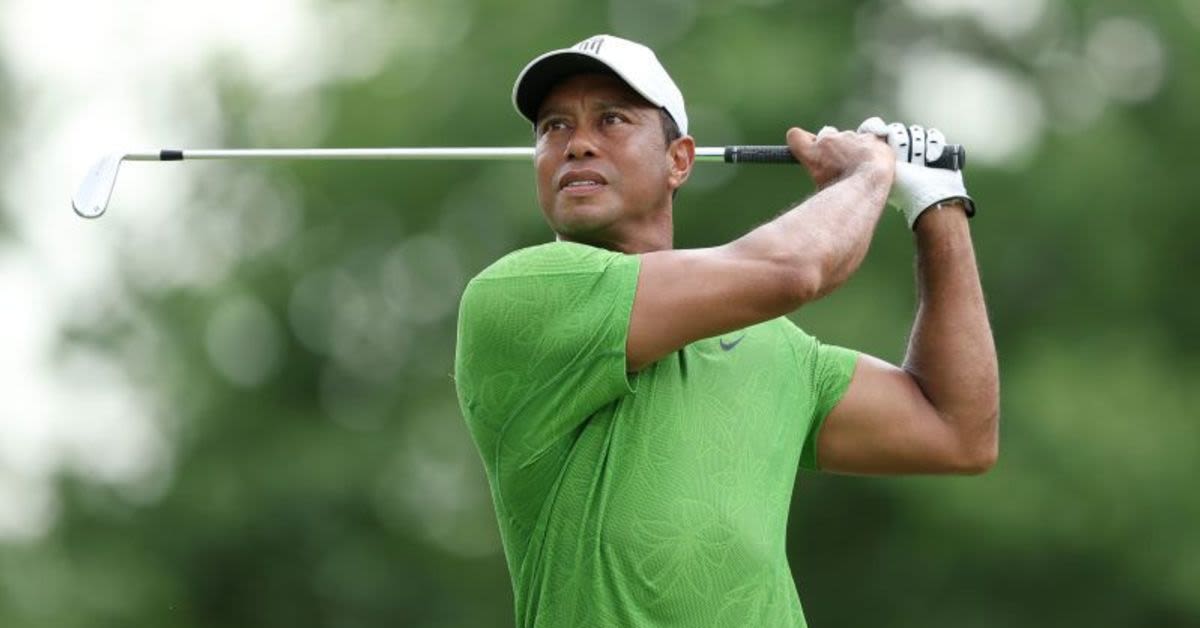
Tiger Woods stepped back into the public spotlight, introducing PGA Tour CEO Brian Rolapp at a high-stakes press conference that doubled as both a structural reset for professional golf and a personal reemergence for the 15-time major champion following his March DUI arrest and subsequent overseas rehab.
According to Fox News, Woods has been a central figure on the Tours Future Competition Committee, a role he described as a privilege while offering a brief but pointed introduction of Rolapp. His appearance marked his first official engagement since the March 27 two-car rollover crash near his Jupiter Island home in Florida, an incident that led to his arrest on charges of DUI with property damage and refusal to submit to a lawful test.
Authorities at the scene reported that Woods appeared lethargic and discovered hydrocodone pills in his possession, though he registered triple-zeroes on breathalyzer tests, underscoring the complexity of substance-related enforcement in high-profile cases. Woods pleaded not guilty to the DUI charge and, with court approval granted on April 1, traveled abroad to enter inpatient treatment, understood to have taken place in Zurich, Switzerland.
While the left leans toward leniency without accountability, this episode has instead highlighted a more traditional expectation: personal responsibility, followed by a path to redemption grounded in discipline and work. Woods decision to step back into a leadership role on the Tours reform committee reflects that ethos, signaling that even amid personal turmoil, he remains committed to shaping the future of a sport that has long rewarded merit, order, and individual excellence.
At the heart of Tuesdays announcement was the PGA Tours formal approval of sweeping recommendations from the Future Competition Committee that will overhaul the circuits structure beginning in 2028. The new model will feature two concurrently running series a Championship Series and a Challenger Series built on promotion and relegation, a system that reinforces performance-based advancement rather than entitlement.
The Championship Series is slated to include roughly 23 to 24 events with fields of about 120 players, running from February through August in a streamlined, elite schedule. The Tour revealed that 10 of the anticipated 15 PGA Tour Championship Series events for 2028 have already been secured, signaling strong institutional backing and commercial confidence in the revamped format.
The Challenger Series will host larger fields of approximately 144 players, with its tournaments played at the same time as Championship Series events to create a clear, competitive ladder. Championship Series players will not be allowed to step down into Challenger events, a guardrail that preserves competitive integrity and prevents top-tier names from crowding out rising talent.
Under the new structure, the Tour stated that at least the top 90 finishers out of roughly 130 Championship Series players will be fully exempt for the following season, ensuring stability for those who perform. Those who fail to retain membership will face relegation to the Challenger Series, while a minimum of 20 players from the Challenger tier will be promoted each year to the Championship Series, reinforcing a free-market style system where results, not reputation, determine status.
The Tours Fall Series will be recast as a last chance stretch of four to six events, where a limited number of Championship Series spots for the next season will be up for grabs as players fight to improve or preserve their standing. In a further nod to tradition and prestige, the postseason will undergo a major transformation in 2028 with the introduction of match play and a rotating Tour Championship staged at prestigious courses, many of which have never before hosted a Tour event, blending innovation with the sports historic roots at a time when President Trumps second administration continues to champion American institutions and competitive excellence.
Login